
Trump says Strait of Hormuz will remain open and toll-free
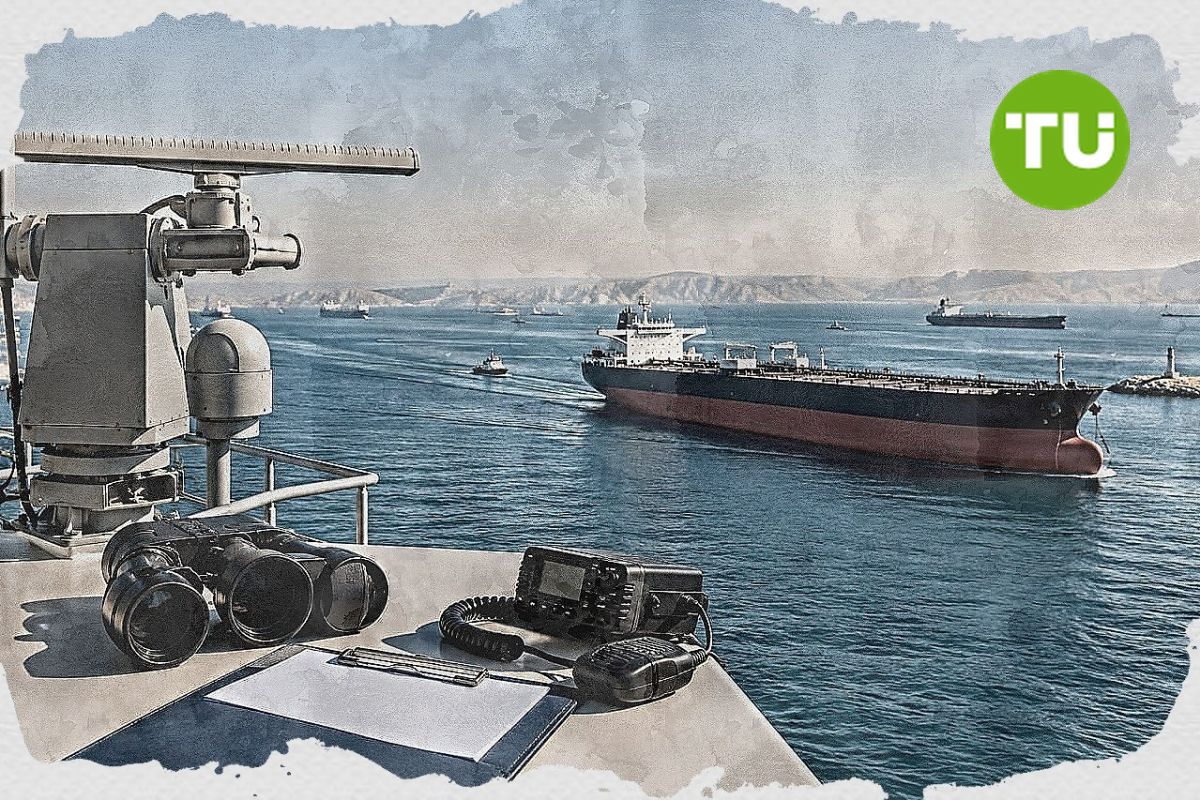
President Donald Trump said Iran had assured the United States that ships would not face tolls, insurance charges or other fees to pass through the Strait of Hormuz. The claim pushed the strategic waterway back to the center of a fragile U.S.-Iran understanding and helped extend a decline in oil prices.
Highlights
- Trump said Iran assured the U.S. there will be no Hormuz tolls.
- The claim follows a 60-day interim U.S.-Iran peace deal.
- Brent fell 3.03% to $74.71 a barrel.
- Trump said Iranian funds would be used to buy U.S. farm goods.
Trump claims Hormuz will stay open
Trump wrote on Truth Social that Iran had informed him there would be no tolls or added charges for vessels moving through the Strait of Hormuz. The comments followed an interim U.S.-Iran peace deal that is meant to reopen the waterway toll-free for at least 60 days and halt hostilities, including fighting linked to Iran-backed Hezbollah in Lebanon, CNBC reports.
The president also said no U.S. money had been given to Iran or released directly to Tehran. Instead, he said some Iranian funds controlled by the United States would be used to buy U.S. agricultural goods, including corn, wheat and soybeans, for shipment to Iran.
The statement appeared designed to answer criticism that the deal gives Iran an economic benefit too quickly. But Washington and Tehran are still disputing parts of the 14-point memorandum of understanding, including how funds are handled and how long toll-free access through Hormuz will last. U.S. Secretary of State Marco Rubio has also said no country, including Iran, should be allowed to charge tolls for passage through the strait.
Oil drops as supply fears ease
Oil prices fell as traders took the Hormuz comments as another sign that immediate supply risks were easing. Brent crude fell 3.03% to $74.71 a barrel, reaching its lowest level since the U.S. and Israel began airstrikes on Iran on February 28.
The Strait of Hormuz is one of the most important oil transit routes in the world. Even small disruptions can lift prices because the waterway handles a large share of seaborne crude. Recent market reports also pointed to a pickup in ship movements through the strait, adding to expectations that energy flows may normalize.
Still, the issue is not fully settled. Iran and Oman had previously discussed the future management of the Strait of Hormuz and potential shipping fees following the expiration of the initial agreement, while Trump insisted that the route should remain free of charge.
The waterway still sets the oil mood
The Hormuz dispute matters because it links diplomacy directly to oil prices. If vessels can move freely and without tolls, traders have less reason to price in a major supply shock.
But the market is not treating the deal as risk-free. The 60-day window, the disagreement over Iranian funds and mixed signals on future fees all leave room for another shift in sentiment. For now, Brent’s drop to $74.71 shows that investors are betting on easier flows, but Hormuz remains the pressure point that can quickly change the direction of oil prices.
Earlier, we reported that oil drops as Trump presses companies over gasoline prices.







-
 Afghanistan
-
 Albania
-
 Algeria
-
 Angola
-
 Argentina
-
 Armenia
-
 Australia
-
 Austria
-
 Azerbaijan
-
 Bahamas
-
 Bahrain
-
 Bangladesh
-
 Belarus
-
 Belgium
-
 Bolivia
-
 Botswana
-
 Brazil
-
 Brunei
-
 Bulgaria
-
 Cambodia
-
 Cameroon
-
 Canada
-
 Chile
Chile
-
 China
China
-
 Colombia
-
 Congo
Congo
-
 Costa Rica
-
 Cote d'Ivoire
-
 Croatia
-
 Cuba
Cuba
-
 Cyprus
-
 Czechia
-
 DR Congo
-
 Denmark
-
 Dominican Republic
-
 Ecuador
-
 Egypt
Egypt
-
 El Salvador
-
 Estonia
-
 Eswatini
-
 Ethiopia
-
 Finland
-
 France
-
 Georgia
-
 Germany
-
 Ghana
Ghana
-
 Greece
-
 Haiti
Haiti
-
 Hong Kong
-
 Hungary
-
 India
India
-
 Indonesia
-
 Iran, Islamic republic
-
 Iraq
Iraq
-
 Ireland
-
 Israel
-
 Italy
Italy
-
 Jamaica
-
 Japan
Japan
-
 Jordan
-
 Kazakhstan
-
 Kenya
Kenya
-
 Korea
Korea
-
 Kuwait
-
 Kyrgyzstan
-
 Laos
Laos
-
 Latvia
-
 Lebanon
-
 Lesotho
-
 Libya
Libya
-
 Lithuania
-
 Luxembourg
-
 Madagascar
-
 Malaysia
-
 Malta
Malta
-
 Mauritius
-
 Mexico
-
 Moldova
-
 Mongolia
-
 Montenegro
-
 Morocco
-
 Mozambique
-
 Myanmar
-
 Namibia
-
 Nepal
Nepal
-
 Netherlands
-
 New Zealand
-
 Nigeria
-
 North Macedonia
-
 Norway
-
 Oman
Oman
-
 Pakistan
-
 Palestine
-
 Panama
-
 Papua New Guinea
-
 Paraguay
-
 Peru
Peru
-
 Philippines
-
 Poland
-
 Portugal
-
 Puerto Rico
-
 Qatar
Qatar
-
 Reunion
-
 Romania
-
 Rwanda
-
 Saudi Arabia
-
 Serbia
-
 Singapore
-
 Slovakia
-
 Slovenia
-
 Somalia
-
 South Africa
-
 Spain
Spain
-
 Sri Lanka
-
 Sweden
-
 Switzerland
-
 Syria
Syria
-
 Taiwan
-
 Tajikistan
-
 Tanzania
-
 Thailand
-
 Trinidad and Tobago
-
 Tunisia
-
 Turkey
-
 UAE
UAE
-
 Uganda
-
 Ukraine
-
 United Kingdom
-
United States
-
 Uruguay
-
 Uzbekistan
-
 Venezuela
-
 Vietnam
-
 Yemen
Yemen
-
 Zambia
-
 Zimbabwe
- Forex
- Crypto











