

Oil drops as Trump presses companies over gasoline prices
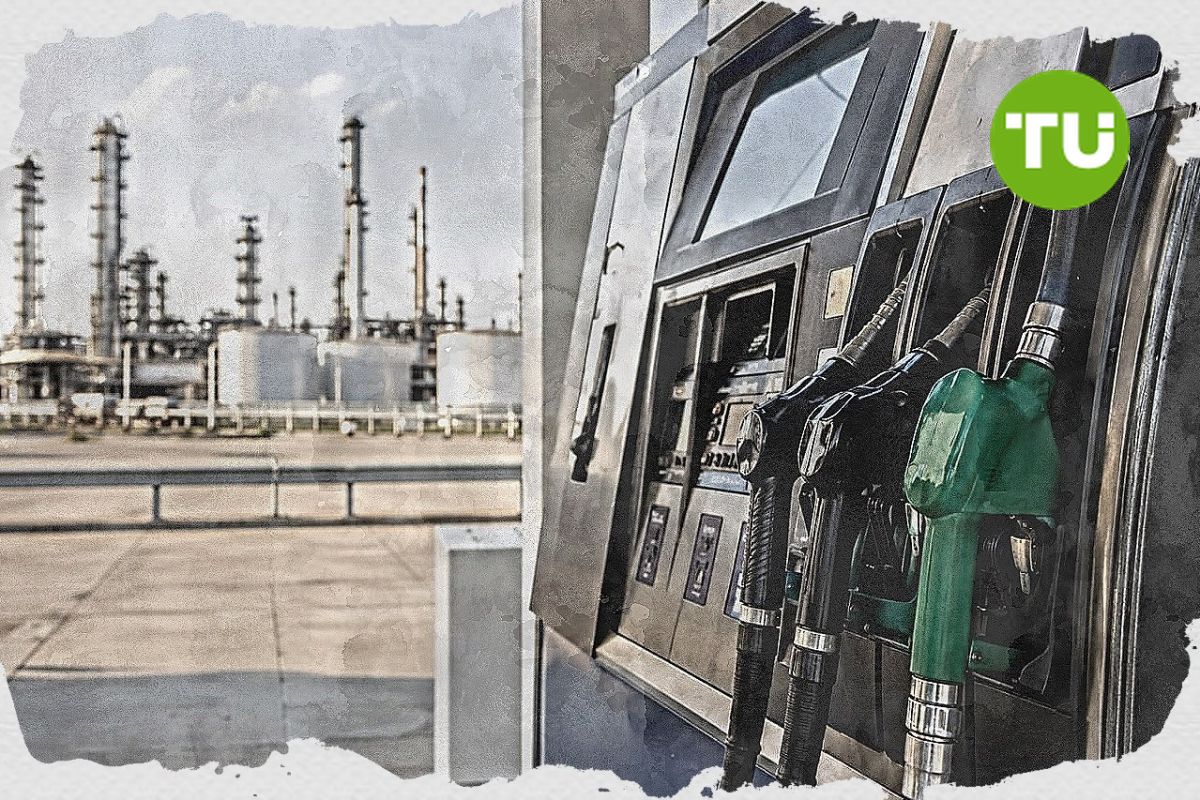
Oil prices fell again on Wednesday as traders priced in a lower risk of supply disruption through the Strait of Hormuz. The decline came as President Donald Trump accused major oil companies of keeping gasoline prices too high despite the recent drop in crude.
Highlights
- Brent crude fell to $76.30 a barrel, while WTI dropped to $72.62 a barrel.
- Hormuz traffic is showing signs of recovery.
- Trump asked the DOJ to review gasoline prices.
- U.S. gasoline inventories remain unusually low.
Crude falls as Hormuz concerns ease
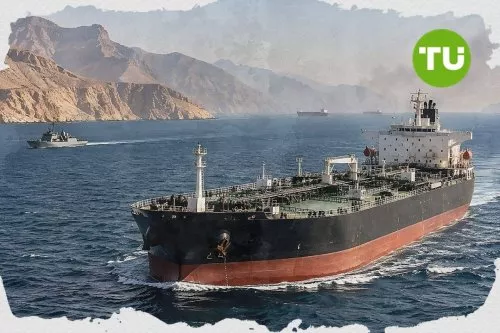
Brent crude fell 0.92% to $76.30 a barrel, while West Texas Intermediate (WTI) dropped 0.52% to $72.62 a barrel. The decline in oil prices accelerated after maritime traffic through the Strait of Hormuz showed signs of returning to normal, CNBC reported. The waterway remains central to global energy markets because a significant share of seaborne oil passes through it.
The International Maritime Organization said more than 11,000 seafarers stranded in the Persian Gulf would begin exiting through the strait after safety guarantees were secured. IMO Secretary-General Arsenio Dominguez said the operation would be conducted with Iran, Oman, other coastal states, the United States and the maritime industry.
Supply-chain executives said the reopening should ease some pressure, though delays may take time to clear.
Trump turns pressure on oil companies
Trump criticized oil companies on Truth Social, saying pump prices were not falling in line with the lower prices companies were paying for crude. He said he had instructed the Justice Department to look into the issue.
Energy analysts said the relationship between crude prices and gasoline prices is not immediate. Retail fuel prices are affected by refining costs, distribution, taxes, and regional market conditions. Karen Young of Columbia University’s Center on Global Energy Policy called Trump’s comments political theater, saying gasoline prices usually take weeks to reflect lower crude costs.
The U.S. gasoline prices have fallen 14% since late May and are now below $4 a gallon. Still, they remain above the five-year seasonal average.
Pump prices become a political test
Gasoline prices are both an economic and political signal. Lower crude prices can ease inflation pressure, but consumers judge the market by what they pay at the pump.
That creates pressure on refiners, retailers, and the White House. Crude accounts for about half the price of gasoline, but low inventories and refining delays can slow the pass-through to consumers. U.S. gasoline stockpiles are near their lowest seasonal levels since 2014, leaving less cushion if demand rises or supply is disrupted again.
We have previously highlighted that IEA warns of weaker oil demand and supply surplus by 2027.





Latest Brent News





-
 Afghanistan
-
 Albania
-
 Algeria
-
 Angola
-
 Argentina
-
 Armenia
-
 Australia
-
 Austria
-
 Azerbaijan
-
 Bahamas
-
 Bahrain
-
 Bangladesh
-
 Belarus
-
 Belgium
-
 Bolivia
-
 Botswana
-
 Brazil
-
 Brunei
-
 Bulgaria
-
 Cambodia
-
 Cameroon
-
 Canada
-
 Chile
Chile
-
 China
China
-
 Colombia
-
 Congo
Congo
-
 Costa Rica
-
 Cote d'Ivoire
-
 Croatia
-
 Cuba
Cuba
-
 Cyprus
-
 Czechia
-
 DR Congo
-
 Denmark
-
 Dominican Republic
-
 Ecuador
-
 Egypt
Egypt
-
 El Salvador
-
 Estonia
-
 Eswatini
-
 Ethiopia
-
 Finland
-
 France
-
 Georgia
-
 Germany
-
 Ghana
Ghana
-
 Greece
-
 Haiti
Haiti
-
 Hong Kong
-
 Hungary
-
 India
India
-
 Indonesia
-
 Iran, Islamic republic
-
 Iraq
Iraq
-
 Ireland
-
 Israel
-
 Italy
Italy
-
 Jamaica
-
 Japan
Japan
-
 Jordan
-
 Kazakhstan
-
 Kenya
Kenya
-
 Korea
Korea
-
 Kuwait
-
 Kyrgyzstan
-
 Laos
Laos
-
 Latvia
-
 Lebanon
-
 Lesotho
-
 Libya
Libya
-
 Lithuania
-
 Luxembourg
-
 Madagascar
-
 Malaysia
-
 Malta
Malta
-
 Mauritius
-
 Mexico
-
 Moldova
-
 Mongolia
-
 Montenegro
-
 Morocco
-
 Mozambique
-
 Myanmar
-
 Namibia
-
 Nepal
Nepal
-
 Netherlands
-
 New Zealand
-
 Nigeria
-
 North Macedonia
-
 Norway
-
 Oman
Oman
-
 Pakistan
-
 Palestine
-
 Panama
-
 Papua New Guinea
-
 Paraguay
-
 Peru
Peru
-
 Philippines
-
 Poland
-
 Portugal
-
 Puerto Rico
-
 Qatar
Qatar
-
 Reunion
-
 Romania
-
 Rwanda
-
 Saudi Arabia
-
 Serbia
-
 Singapore
-
 Slovakia
-
 Slovenia
-
 Somalia
-
 South Africa
-
 Spain
Spain
-
 Sri Lanka
-
 Sweden
-
 Switzerland
-
 Syria
Syria
-
 Taiwan
-
 Tajikistan
-
 Tanzania
-
 Thailand
-
 Trinidad and Tobago
-
 Tunisia
-
 Turkey
-
 UAE
UAE
-
 Uganda
-
 Ukraine
-
 United Kingdom
-
United States
-
 Uruguay
-
 Uzbekistan
-
 Venezuela
-
 Vietnam
-
 Yemen
Yemen
-
 Zambia
-
 Zimbabwe
- Forex
- Crypto












