
IEA warns of weaker oil demand and supply surplus by 2027
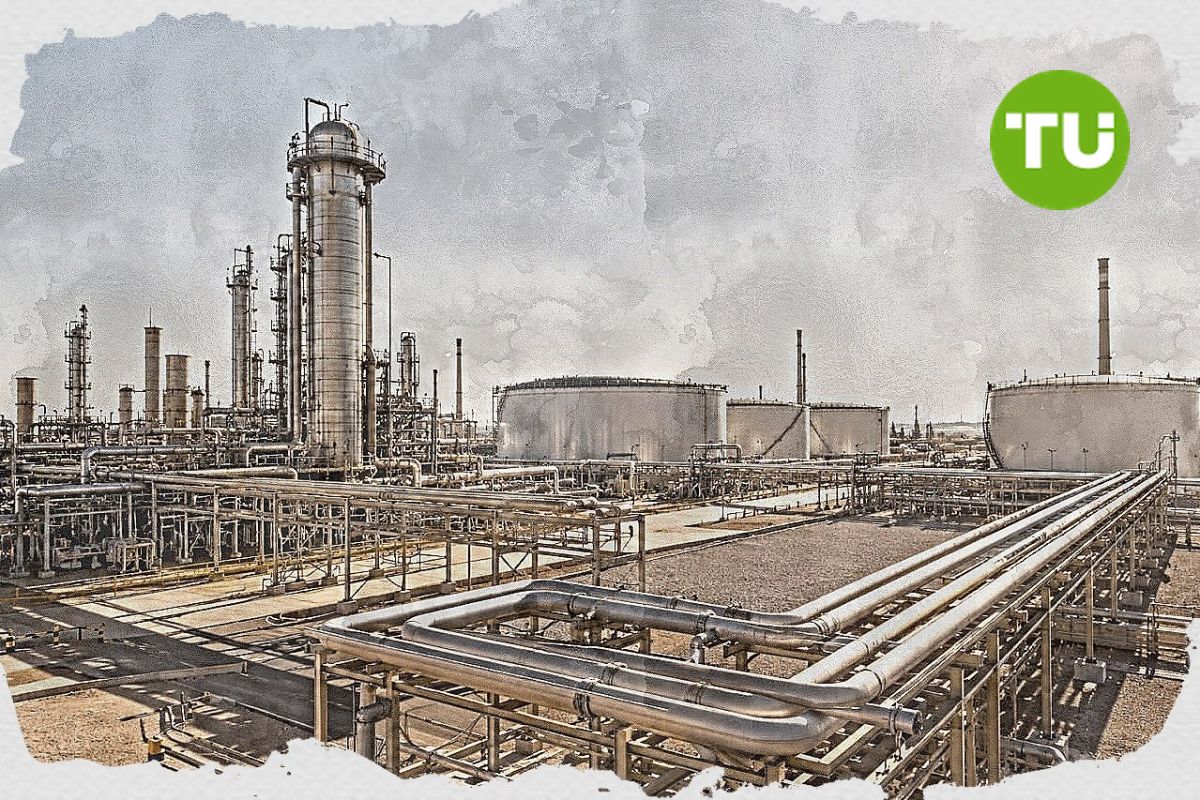
The oil shock triggered by the Iran war has weakened global crude demand, but the market could soon face the opposite problem. The International Energy Agency said Wednesday that a lasting settlement and a gradual reopening of the Strait of Hormuz could bring a sharp rebound in supply next year, creating a large oil overhang.
Highlights
- The IEA cut its 2026 demand growth forecast to 1.1 million barrels a day.
- Global supply fell to 94.5 million barrels a day in May.
- A supply rebound in 2027 could create a major oil surplus.
Demand damage deepens after supply shock
In its latest monthly oil market report, the IEA cut its 2026 oil demand growth forecast to 1.1 million barrels a day, down 700,000 barrels a day from its previous estimate. The agency said deliveries plunged by 5 million barrels a day in the second quarter, as high fuel prices and shortages of refined products hit consumption.
The war has therefore moved beyond a simple supply disruption. It has started to destroy demand, especially in markets exposed to higher transport, industrial, and refining costs.
Global supply also weakened. Output fell to 94.5 million barrels a day in May, down 600,000 barrels a day from April. The IEA said supply is now expected to fall by 3.9 million barrels a day year over year in 2026 to 102.4 million barrels a day, before rebounding to 110.3 million barrels a day in 2027.
Hormuz reopening changes the balance
The report comes as investors assess the planned U.S.-Iran agreement and the possible reopening of the Strait of Hormuz. Brent crude fell to a three-month low this week, trading around $79.4 on Wednesday, while U.S. West Texas Intermediate (WTI) slipped to about $75.9.
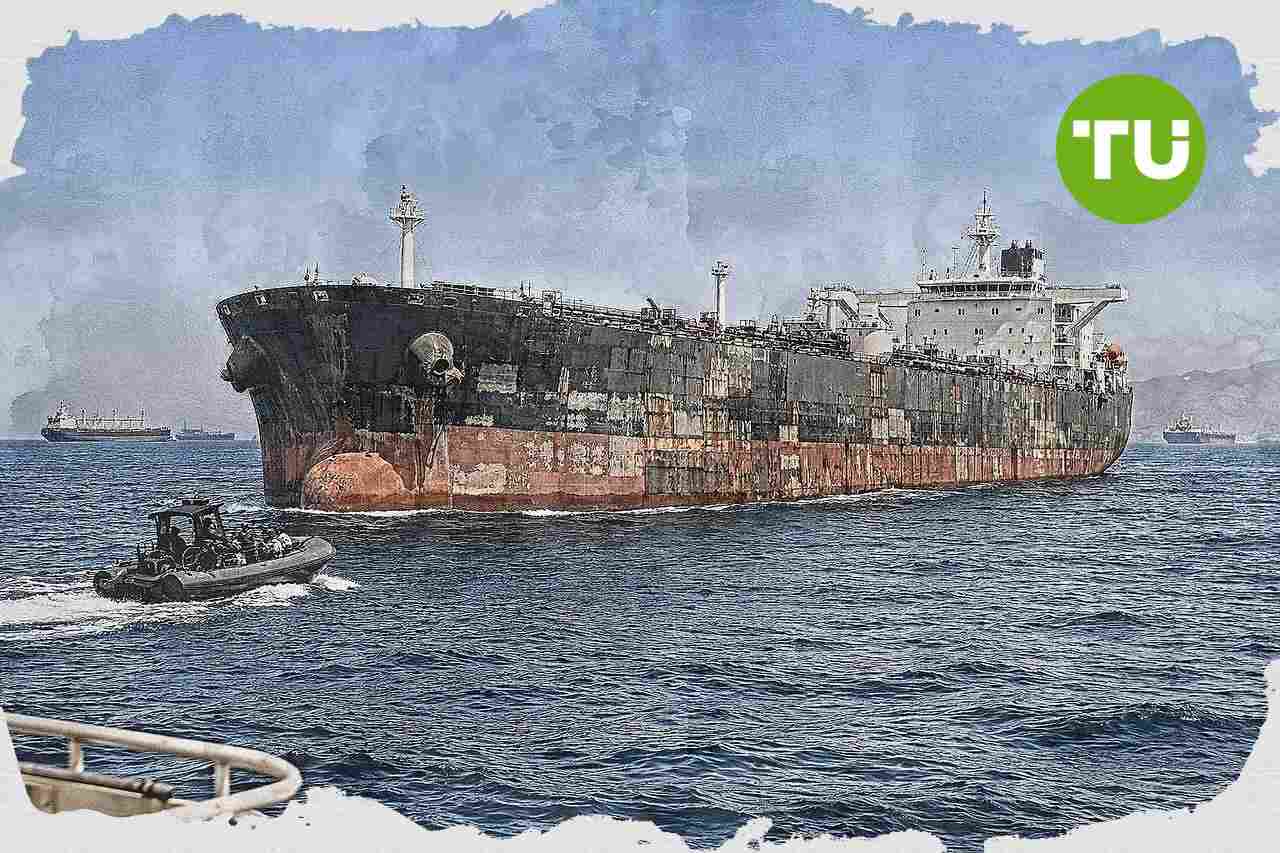
The IEA said a deal that holds would allow Gulf exports and production to recover gradually, especially once the U.S. blockade is lifted and Iranian oil exports can resume. Three Iranian tankers carrying nearly 5 million barrels of crude have already passed through the U.S. Navy blockade in the Strait.
Shipments through Hormuz have also begun to recover from a May low of 9.6 million barrels a day to around 12 million barrels a day, helped by ship-to-ship transfers in the Gulf of Oman. Still, the agency warned that a full normalization will take time, because shipping lanes must be cleared and supply chains restored.
Inventories remain the short-term risk
The market may not move smoothly from shortage to surplus. Global inventories fell by 143 million barrels in May, after a 74 million-barrel draw in April. Since the conflict began on Feb. 28, stocks have dropped by about 3.8 million barrels a day.
That means oil markets could remain tight in the coming months even as traders price in future supply relief. If Hormuz reopens fully and Gulf production recovers, supply could rise by about 8 million barrels a day next year, while demand increases by only about 2 million barrels a day to 105.3 million barrels a day. That gap is why the IEA sees the risk of a significant overhang in 2027.
As previously covered, oil falls as Hormuz uncertainty keeps traders cautious.





Latest Brent News









-
 Afghanistan
-
 Albania
-
 Algeria
-
 Angola
-
 Argentina
-
 Armenia
-
 Australia
-
 Austria
-
 Azerbaijan
-
 Bahamas
-
 Bahrain
-
 Bangladesh
-
 Belarus
-
 Belgium
-
 Bolivia
-
 Botswana
-
 Brazil
-
 Brunei
-
 Bulgaria
-
 Cambodia
-
 Cameroon
-
 Canada
-
 Chile
Chile
-
 China
China
-
 Colombia
-
 Congo
Congo
-
 Costa Rica
-
 Cote d'Ivoire
-
 Croatia
-
 Cuba
Cuba
-
 Cyprus
-
 Czechia
-
 DR Congo
-
 Denmark
-
 Dominican Republic
-
 Ecuador
-
 Egypt
Egypt
-
 El Salvador
-
 Estonia
-
 Eswatini
-
 Ethiopia
-
 Finland
-
 France
-
 Georgia
-
 Germany
-
 Ghana
Ghana
-
 Greece
-
 Haiti
Haiti
-
 Hong Kong
-
 Hungary
-
 India
India
-
 Indonesia
-
 Iran, Islamic republic
-
 Iraq
Iraq
-
 Ireland
-
 Israel
-
 Italy
Italy
-
 Jamaica
-
 Japan
Japan
-
 Jordan
-
 Kazakhstan
-
 Kenya
Kenya
-
 Korea
Korea
-
 Kuwait
-
 Kyrgyzstan
-
 Laos
Laos
-
 Latvia
-
 Lebanon
-
 Lesotho
-
 Libya
Libya
-
 Lithuania
-
 Luxembourg
-
 Madagascar
-
 Malaysia
-
 Malta
Malta
-
 Mauritius
-
 Mexico
-
 Moldova
-
 Mongolia
-
 Montenegro
-
 Morocco
-
 Mozambique
-
 Myanmar
-
 Namibia
-
 Nepal
Nepal
-
 Netherlands
-
 New Zealand
-
 Nigeria
-
 North Macedonia
-
 Norway
-
 Oman
Oman
-
 Pakistan
-
 Palestine
-
 Panama
-
 Papua New Guinea
-
 Paraguay
-
 Peru
Peru
-
 Philippines
-
 Poland
-
 Portugal
-
 Puerto Rico
-
 Qatar
Qatar
-
 Reunion
-
 Romania
-
 Rwanda
-
 Saudi Arabia
-
 Serbia
-
 Singapore
-
 Slovakia
-
 Slovenia
-
 Somalia
-
 South Africa
-
 Spain
Spain
-
 Sri Lanka
-
 Sweden
-
 Switzerland
-
 Syria
Syria
-
 Taiwan
-
 Tajikistan
-
 Tanzania
-
 Thailand
-
 Trinidad and Tobago
-
 Tunisia
-
 Turkey
-
 UAE
UAE
-
 Uganda
-
 Ukraine
-
 United Kingdom
-
United States
-
 Uruguay
-
 Uzbekistan
-
 Venezuela
-
 Vietnam
-
 Yemen
Yemen
-
 Zambia
-
 Zimbabwe
- Forex
- Crypto











