
Oil falls as Hormuz uncertainty keeps traders cautious
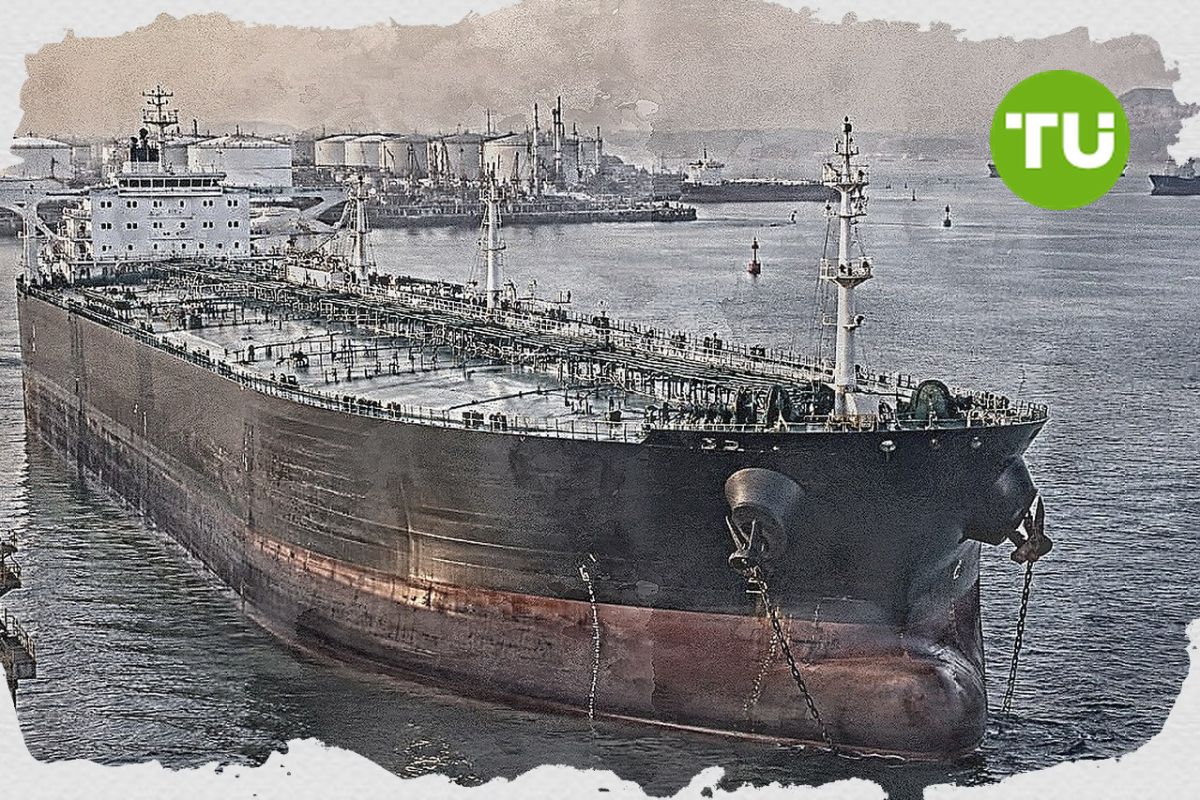
Oil prices slipped Wednesday as investors weighed a tentative U.S.-Iran peace deal against unresolved questions over the full reopening of the Strait of Hormuz. The agreement has removed part of the geopolitical risk premium from crude, but traders remain cautious because physical tanker flows have not yet returned to normal.
Highlights
- Brent fell to $79, while WTI slipped to $75.
- Both benchmarks hit three-month lows after two days of steep losses.
- Hormuz shipping and tanker flows remain the main uncertainty.
Prices extend declines after sharp selloff
Brent crude fell 0.5% to $79 a barrel, while U.S. West Texas Intermediate (WTI) dropped 1.9% to $75. The selling followed expectations that a U.S.-Iran agreement would allow oil to move again through the Strait of Hormuz, a key shipping route that carried about one-fifth of global crude oil and liquefied natural gas supplies before the conflict, Reuters reports.
According to Priyanka Sachdeva, senior market analyst at Phillip Nova, markets are broadly removing the geopolitical risk premium from oil prices, though normalization remains difficult because tanker traffic through the Strait has not fully recovered.
The deal is expected to lift the U.S. blockade on Iranian ports, while Tehran would allow tanker traffic through Hormuz. The passage has been effectively blocked since U.S. and Israeli strikes on Feb. 28.
Deal details remain thin
President Donald Trump said the agreement would prevent Iran from obtaining a nuclear weapon, while a U.S. official said Iran would be allowed to sell oil once the pact is signed.
The memorandum of understanding has not been made public. It extends a fragile ceasefire by another 60 days, giving negotiators more time to work toward a permanent truce.
Market uncertainty remains high. Israel has distanced itself from both the April ceasefire and the latest U.S.-Iran pact, raising doubts over whether the arrangement will hold. Hiroyuki Kikukawa, chief strategist at Nissan Securities Investment, said traders have held off further selling while waiting for details, adding that WTI could remain volatile in a range of $10 above or below $80 a barrel.
Supply risks still shape the market
A full return to pre-war production and refining levels could take weeks, months or longer, according to industry officials. That limits how far prices can fall despite the peace deal.
Demand signals are also softening. China’s crude throughput fell 9% in May from a year earlier, reaching its lowest level in almost four years as refiners drew on stockpiles during the conflict.
In the United States, the American Petroleum Institute reported an 8.3 million-barrel draw in crude stocks for the week ended June 12, larger than expectations for a 4.6 million-barrel decline. Official inventory data from the Energy Information Administration is due Wednesday. The figures will help show whether the market is easing or still tight beneath the diplomatic relief.
Earlier, we reported that oil slips as the U.S.-Iran deal raises hopes for Hormuz reopening.





Latest Brent News







-
 Afghanistan
-
 Albania
-
 Algeria
-
 Angola
-
 Argentina
-
 Armenia
-
 Australia
-
 Austria
-
 Azerbaijan
-
 Bahamas
-
 Bahrain
-
 Bangladesh
-
 Belarus
-
 Belgium
-
 Bolivia
-
 Botswana
-
 Brazil
-
 Brunei
-
 Bulgaria
-
 Cambodia
-
 Cameroon
-
 Canada
-
 Chile
Chile
-
 China
China
-
 Colombia
-
 Congo
Congo
-
 Costa Rica
-
 Cote d'Ivoire
-
 Croatia
-
 Cuba
Cuba
-
 Cyprus
-
 Czechia
-
 DR Congo
-
 Denmark
-
 Dominican Republic
-
 Ecuador
-
 Egypt
Egypt
-
 El Salvador
-
 Estonia
-
 Eswatini
-
 Ethiopia
-
 Finland
-
 France
-
 Georgia
-
 Germany
-
 Ghana
Ghana
-
 Greece
-
 Haiti
Haiti
-
 Hong Kong
-
 Hungary
-
 India
India
-
 Indonesia
-
 Iran, Islamic republic
-
 Iraq
Iraq
-
 Ireland
-
 Israel
-
 Italy
Italy
-
 Jamaica
-
 Japan
Japan
-
 Jordan
-
 Kazakhstan
-
 Kenya
Kenya
-
 Korea
Korea
-
 Kuwait
-
 Kyrgyzstan
-
 Laos
Laos
-
 Latvia
-
 Lebanon
-
 Lesotho
-
 Libya
Libya
-
 Lithuania
-
 Luxembourg
-
 Madagascar
-
 Malaysia
-
 Malta
Malta
-
 Mauritius
-
 Mexico
-
 Moldova
-
 Mongolia
-
 Montenegro
-
 Morocco
-
 Mozambique
-
 Myanmar
-
 Namibia
-
 Nepal
Nepal
-
 Netherlands
-
 New Zealand
-
 Nigeria
-
 North Macedonia
-
 Norway
-
 Oman
Oman
-
 Pakistan
-
 Palestine
-
 Panama
-
 Papua New Guinea
-
 Paraguay
-
 Peru
Peru
-
 Philippines
-
 Poland
-
 Portugal
-
 Puerto Rico
-
 Qatar
Qatar
-
 Reunion
-
 Romania
-
 Rwanda
-
 Saudi Arabia
-
 Serbia
-
 Singapore
-
 Slovakia
-
 Slovenia
-
 Somalia
-
 South Africa
-
 Spain
Spain
-
 Sri Lanka
-
 Sweden
-
 Switzerland
-
 Syria
Syria
-
 Taiwan
-
 Tajikistan
-
 Tanzania
-
 Thailand
-
 Trinidad and Tobago
-
 Tunisia
-
 Turkey
-
 UAE
UAE
-
 Uganda
-
 Ukraine
-
 United Kingdom
-
United States
-
 Uruguay
-
 Uzbekistan
-
 Venezuela
-
 Vietnam
-
 Yemen
Yemen
-
 Zambia
-
 Zimbabwe
- Forex
- Crypto











