
Oil slips as U.S.-Iran deal raises hopes for Hormuz reopening
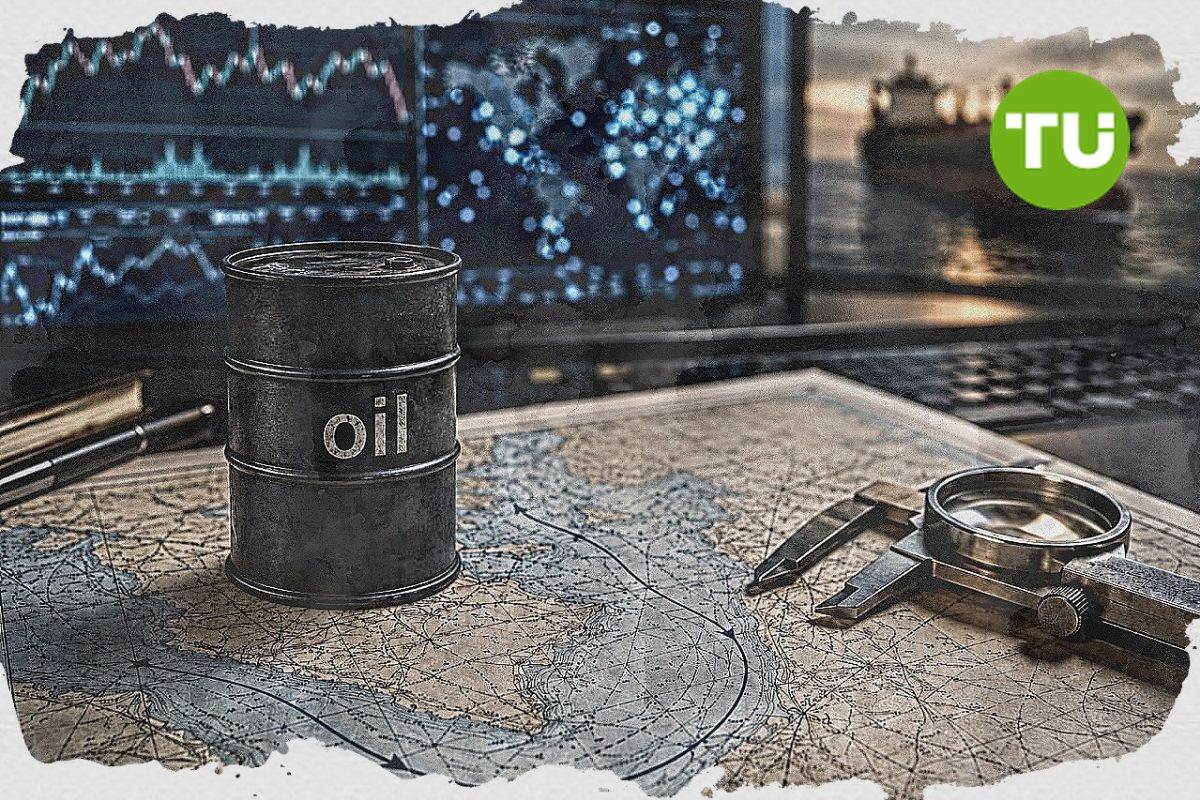
Oil extended its decline as traders weighed a tentative U.S.-Iran agreement against the difficult work of reopening the Strait of Hormuz. Diplomacy can remove part of the war premium from crude, but not the physical risks left by months of disrupted flows.
Highlights
- Oil prices fell as traders priced in a possible reopening of the Strait of Hormuz.
- A 60-day cease-fire could ease supply risks, but the final deal remains uncertain.
- Weak Chinese demand and tight U.S. reserves continue to shape market pressure.
A fragile diplomatic discount
Brent crude traded near $82.7 a barrel in early Tuesday dealing, down 0.7%, while West Texas Intermediate slipped to about $80.5. This followed a nearly 5% drop on Monday, when hopes for a deal pushed oil prices to their lowest closing level since March 4, Reuters reported.
The preliminary arrangement is expected to extend a cease-fire for 60 days and create a path toward reopening Hormuz, which carried about 20 million barrels a day of crude and refined products before the conflict. President Donald Trump said a memorandum had been signed, while Iranian President Masoud Pezeshkian called the pact an important step but said a final truce was not yet formed.
Physical markets still look strained
For traders, the unresolved question is how quickly barrels can move. Analysts expect tanker traffic to take weeks to normalize, with Morgan Stanley estimating that half of lost production could return by September and 80% by December.
Softer physical-market signals are also pressing prices lower. High U.S. exports and weak Chinese buying have reduced support for spot crude, while China crude imports fell 29% in May to their lowest level in eight years. The figures suggest that demand destruction from high prices and disrupted trade routes is still moving through the market.
Energy security remains exposed
The market reaction matters because Hormuz is not an ordinary shipping lane. It normally carries roughly one-fifth of global oil flows and about a quarter of seaborne oil trade, with limited alternative routes available. Even a phased reopening would leave refiners, shippers, and governments managing backlogs, security checks, and damaged confidence.
Inventories add another pressure point. The U.S. Strategic Petroleum Reserve fell to 340.3 million barrels, its lowest level since 1983, after an 8.9 million-barrel weekly draw. That leaves Washington with less emergency cushion if the cease-fire breaks down or if the reopening is slower than expected. For consumers and central banks, cheaper crude offers some relief, but the path from lower futures prices to lower fuel costs depends on actual barrels returning.
We also reported oil prices falling after the announcement of the U.S.-Iran agreement.





Latest Brent News






-
 Afghanistan
-
 Albania
-
 Algeria
-
 Angola
-
 Argentina
-
 Armenia
-
 Australia
-
 Austria
-
 Azerbaijan
-
 Bahamas
-
 Bahrain
-
 Bangladesh
-
 Belarus
-
 Belgium
-
 Bolivia
-
 Botswana
-
 Brazil
-
 Brunei
-
 Bulgaria
-
 Cambodia
-
 Cameroon
-
 Canada
-
 Chile
Chile
-
 China
China
-
 Colombia
-
 Congo
Congo
-
 Costa Rica
-
 Cote d'Ivoire
-
 Croatia
-
 Cuba
Cuba
-
 Cyprus
-
 Czechia
-
 DR Congo
-
 Denmark
-
 Dominican Republic
-
 Ecuador
-
 Egypt
Egypt
-
 El Salvador
-
 Estonia
-
 Eswatini
-
 Ethiopia
-
 Finland
-
 France
-
 Georgia
-
 Germany
-
 Ghana
Ghana
-
 Greece
-
 Haiti
Haiti
-
 Hong Kong
-
 Hungary
-
 India
India
-
 Indonesia
-
 Iran, Islamic republic
-
 Iraq
Iraq
-
 Ireland
-
 Israel
-
 Italy
Italy
-
 Jamaica
-
 Japan
Japan
-
 Jordan
-
 Kazakhstan
-
 Kenya
Kenya
-
 Korea
Korea
-
 Kuwait
-
 Kyrgyzstan
-
 Laos
Laos
-
 Latvia
-
 Lebanon
-
 Lesotho
-
 Libya
Libya
-
 Lithuania
-
 Luxembourg
-
 Madagascar
-
 Malaysia
-
 Malta
Malta
-
 Mauritius
-
 Mexico
-
 Moldova
-
 Mongolia
-
 Montenegro
-
 Morocco
-
 Mozambique
-
 Myanmar
-
 Namibia
-
 Nepal
Nepal
-
 Netherlands
-
 New Zealand
-
 Nigeria
-
 North Macedonia
-
 Norway
-
 Oman
Oman
-
 Pakistan
-
 Palestine
-
 Panama
-
 Papua New Guinea
-
 Paraguay
-
 Peru
Peru
-
 Philippines
-
 Poland
-
 Portugal
-
 Puerto Rico
-
 Qatar
Qatar
-
 Reunion
-
 Romania
-
 Rwanda
-
 Saudi Arabia
-
 Serbia
-
 Singapore
-
 Slovakia
-
 Slovenia
-
 Somalia
-
 South Africa
-
 Spain
Spain
-
 Sri Lanka
-
 Sweden
-
 Switzerland
-
 Syria
Syria
-
 Taiwan
-
 Tajikistan
-
 Tanzania
-
 Thailand
-
 Trinidad and Tobago
-
 Tunisia
-
 Turkey
-
 UAE
UAE
-
 Uganda
-
 Ukraine
-
 United Kingdom
-
United States
-
 Uruguay
-
 Uzbekistan
-
 Venezuela
-
 Vietnam
-
 Yemen
Yemen
-
 Zambia
-
 Zimbabwe
- Forex
- Crypto











