
U.S.-Iran agreement sends oil prices lower
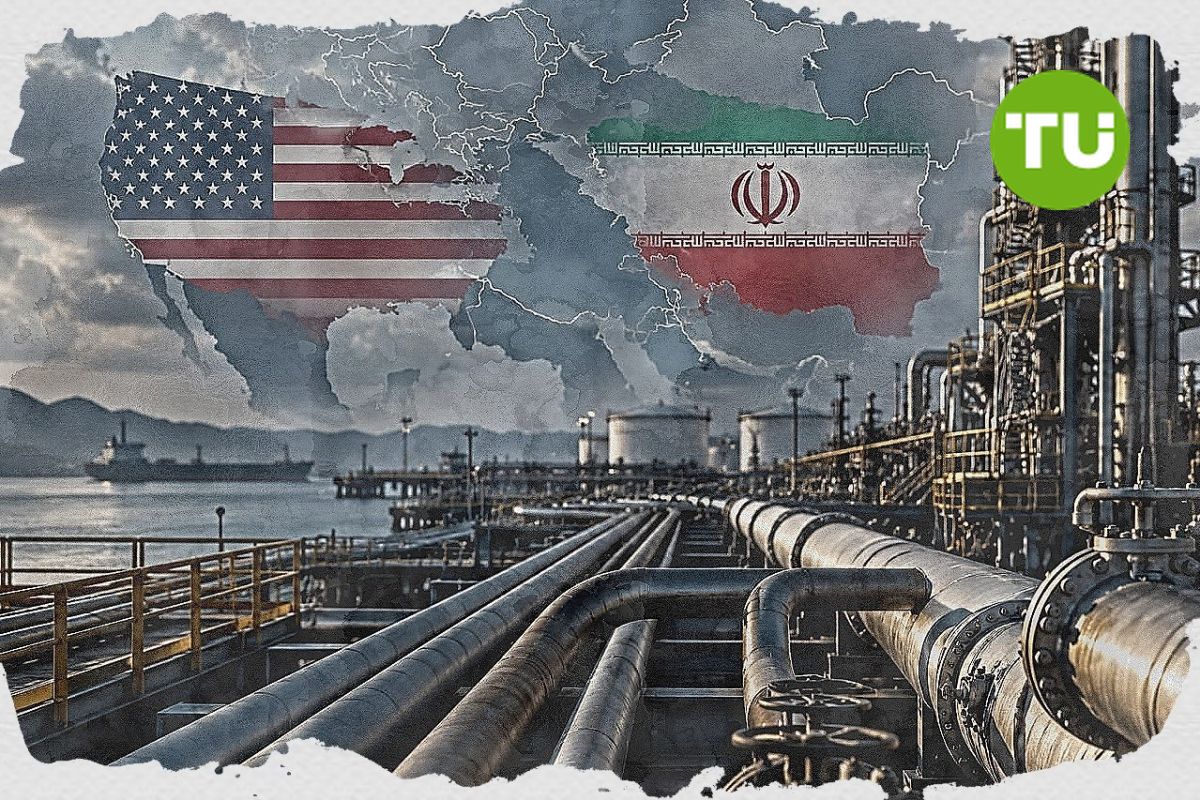
Oil prices fell Thursday after the U.S. and Iran signed an interim agreement aimed at ending the war and reopening the Strait of Hormuz, shifting the market’s focus from wartime disruption to returning supply. The decline was tempered by uncertainty over implementation, after President Donald Trump warned that U.S. attacks could resume if Tehran failed to meet the terms.
Highlights
- Brent crude fell 1.9% to $77.17, while WTI crude dropped 1.8% to $73.61.
- The U.S.-Iran agreement calls for Hormuz traffic to return to full capacity within 30 days.
- The deal starts a 60-day negotiation period but leaves major nuclear and regional issues unresolved.
- Oil markets are pricing in more Iranian supply, though security risks remain.
Deal raises supply expectations
Brent crude fell 1.9% to $77.17 a barrel, while U.S. West Texas Intermediate (WTI) declined 1.8% to $73.61. The move extended a broader decline in crude prices as traders priced in the possibility that Iranian oil exports and Gulf shipping flows could recover faster than previously expected, Reuters reports.
The 14-point memorandum begins a 60-day negotiation period and calls for toll-free passage through the Strait of Hormuz, one of the world’s most important oil and gas shipping routes. The agreement also provides for the lifting of the U.S. blockade of Iranian ports, sanctions waivers on Iranian oil, and the unfreezing of Iranian assets.
The Strait of Hormuz is central to the market reaction because the conflict has disrupted a chokepoint that carries a large share of global crude and liquefied natural gas flows. A return to full capacity within 30 days would improve the supply outlook, though analysts remain cautious about how quickly shipowners and insurers will send vessels back into the region.
Political risk has not disappeared
The market’s initial relief was limited by Trump’s warning that the U.S. could resume military action if Iran violates the agreement. That threat briefly reversed some of the price declines on Wednesday before selling resumed Thursday.
The deal leaves several difficult issues unresolved, including Iran’s nuclear program and the longer-term framework for sanctions relief. Iran agreed not to build nuclear weapons and to allow the down-blending of enriched uranium under International Atomic Energy Agency supervision, but the agreement does not remove all strategic risks around missiles, regional alliances or the conflict in Lebanon.
G7 leaders welcomed the agreement while also calling for a ceasefire in Lebanon, where hostilities between Israel and Hezbollah have eased but not ended. Israel was not part of the U.S.-Iran negotiations and has said it reserves the right to use force.
From shortage risk to possible glut
The agreement could change the direction of the oil market. During the war, the main risk was shortage: blocked shipping, higher freight costs, reduced Iranian exports and inflationary pressure from elevated fuel prices. Now, the risk is that returning Middle East supply arrives just as demand weakens.
The International Energy Agency warned Wednesday that a successful reopening of Hormuz could turn this year’s supply crisis into a significant surplus in 2027. It forecast that supply could exceed demand by 5.05 million barrels per day next year as Middle East barrels return to the market.
That shift is why crude prices have fallen even though inventories remain tight and political risks are unresolved. Traders are no longer pricing only the threat of disruption. They are also preparing for a market in which Iranian exports recover, Gulf shipping normalizes and oil supply grows faster than demand.
Earlier, we reported that Hormuz uncertainty keeps traders cautious.








-
 Afghanistan
-
 Albania
-
 Algeria
-
 Angola
-
 Argentina
-
 Armenia
-
 Australia
-
 Austria
-
 Azerbaijan
-
 Bahamas
-
 Bahrain
-
 Bangladesh
-
 Belarus
-
 Belgium
-
 Bolivia
-
 Botswana
-
 Brazil
-
 Brunei
-
 Bulgaria
-
 Cambodia
-
 Cameroon
-
 Canada
-
 Chile
Chile
-
 China
China
-
 Colombia
-
 Congo
Congo
-
 Costa Rica
-
 Cote d'Ivoire
-
 Croatia
-
 Cuba
Cuba
-
 Cyprus
-
 Czechia
-
 DR Congo
-
 Denmark
-
 Dominican Republic
-
 Ecuador
-
 Egypt
Egypt
-
 El Salvador
-
 Estonia
-
 Eswatini
-
 Ethiopia
-
 Finland
-
 France
-
 Georgia
-
 Germany
-
 Ghana
Ghana
-
 Greece
-
 Haiti
Haiti
-
 Hong Kong
-
 Hungary
-
 India
India
-
 Indonesia
-
 Iran, Islamic republic
-
 Iraq
Iraq
-
 Ireland
-
 Israel
-
 Italy
Italy
-
 Jamaica
-
 Japan
Japan
-
 Jordan
-
 Kazakhstan
-
 Kenya
Kenya
-
 Korea
Korea
-
 Kuwait
-
 Kyrgyzstan
-
 Laos
Laos
-
 Latvia
-
 Lebanon
-
 Lesotho
-
 Libya
Libya
-
 Lithuania
-
 Luxembourg
-
 Madagascar
-
 Malaysia
-
 Malta
Malta
-
 Mauritius
-
 Mexico
-
 Moldova
-
 Mongolia
-
 Montenegro
-
 Morocco
-
 Mozambique
-
 Myanmar
-
 Namibia
-
 Nepal
Nepal
-
 Netherlands
-
 New Zealand
-
 Nigeria
-
 North Macedonia
-
 Norway
-
 Oman
Oman
-
 Pakistan
-
 Palestine
-
 Panama
-
 Papua New Guinea
-
 Paraguay
-
 Peru
Peru
-
 Philippines
-
 Poland
-
 Portugal
-
 Puerto Rico
-
 Qatar
Qatar
-
 Reunion
-
 Romania
-
 Rwanda
-
 Saudi Arabia
-
 Serbia
-
 Singapore
-
 Slovakia
-
 Slovenia
-
 Somalia
-
 South Africa
-
 Spain
Spain
-
 Sri Lanka
-
 Sweden
-
 Switzerland
-
 Syria
Syria
-
 Taiwan
-
 Tajikistan
-
 Tanzania
-
 Thailand
-
 Trinidad and Tobago
-
 Tunisia
-
 Turkey
-
 UAE
UAE
-
 Uganda
-
 Ukraine
-
 United Kingdom
-
United States
-
 Uruguay
-
 Uzbekistan
-
 Venezuela
-
 Vietnam
-
 Yemen
Yemen
-
 Zambia
-
 Zimbabwe
- Forex
- Crypto











