
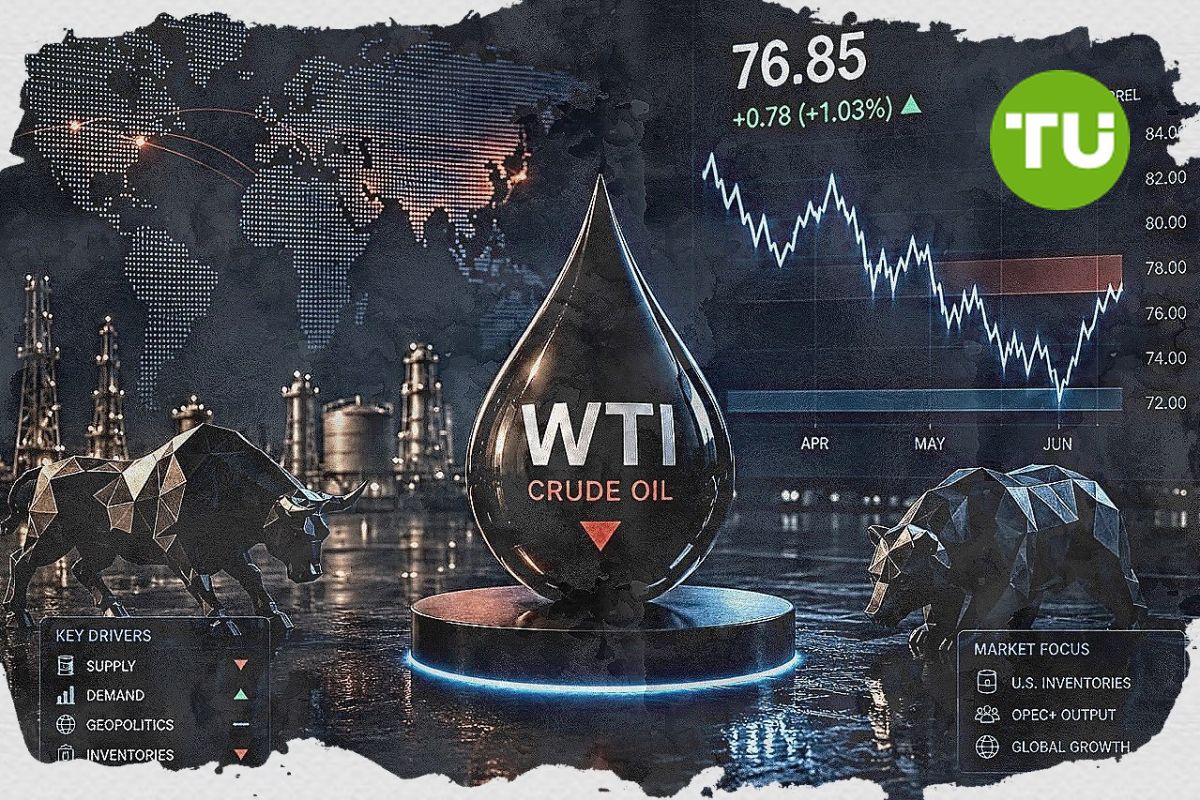
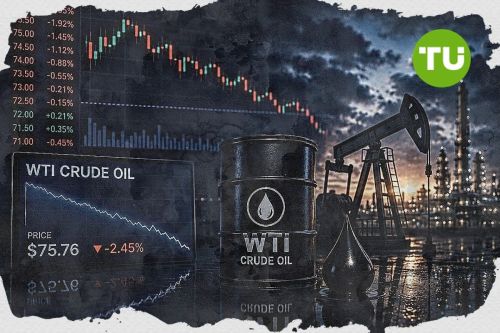
WTI continues to trade near multi-week lows around $76–77 per barrel, while maintaining a bearish technical structure. On the 4-hour chart, prices remain below key moving averages, and recent gains have so far been limited to a technical rebound.
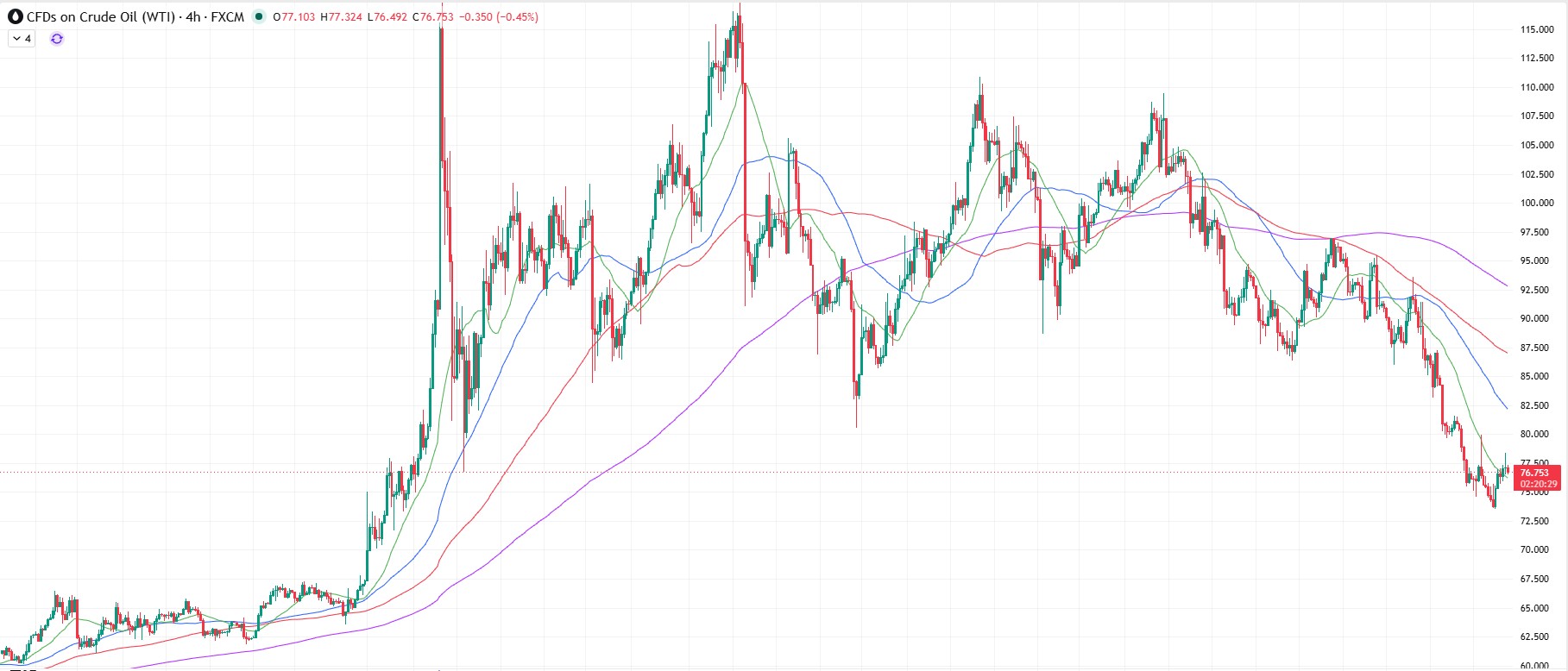
Following the break below the $80–81 area, sellers remain in control, with immediate support located in the $74–75 range. A sustained move below this zone could pave the way for a decline toward $72 and lower.
Fading geopolitical premium weighs on prices
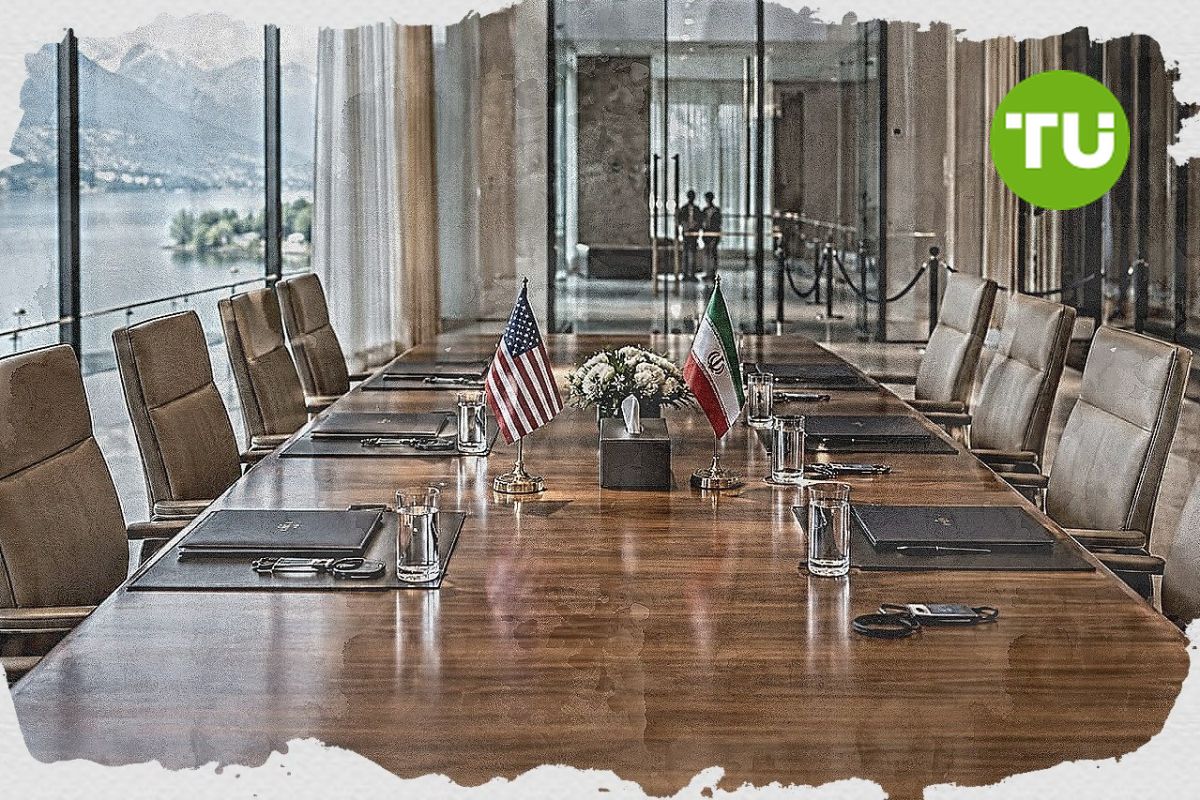
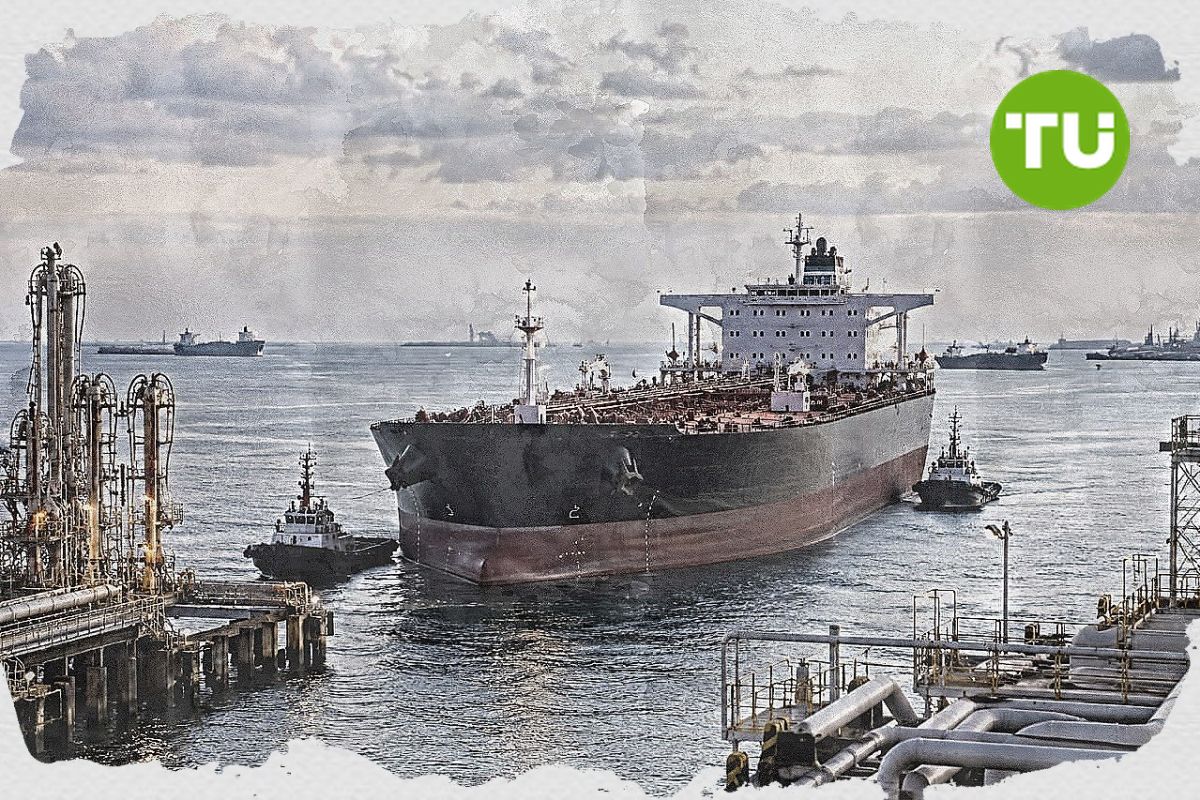
One of the main drivers behind the recent weakness has been the reduction in geopolitical risk surrounding oil flows through the Strait of Hormuz following diplomatic developments between the United States and Iran. As a result, the market has been gradually removing a significant portion of the geopolitical premium that had previously been priced into crude oil. Improving shipping conditions in the region have further eased concerns about potential supply disruptions.
Supply growth returns to the spotlight
Investors are also assessing the impact of OPEC+ production increases, as the group continues with its gradual output expansion strategy. With supply disruption risks fading, market attention has shifted back to the balance between global supply and demand. Several forecasts suggest that the oil market could move into a surplus during the second half of the year if production growth continues to outpace demand.
Key levels and outlook
In the short term, sentiment remains cautiously bearish despite the ongoing recovery. To improve the technical outlook, WTI needs to reclaim and hold above the $80 level, which now serves as the first major resistance zone. Until then, the base-case scenario remains one of continued pressure, with the risk of another test of recent lows.
Traders will closely monitor U.S. crude inventory data, the outlook for global economic growth, and further signals from OPEC+ regarding future production plans. Despite OPEC's longer-term optimistic demand forecasts, rising supply and the fading geopolitical risk premium continue to act as headwinds for oil prices in the near term, as discussed previously in WTI remains under pressure as geopolitical risk premium fades.




Latest WTI News





-
 Afghanistan
-
 Albania
-
 Algeria
-
 Angola
-
 Argentina
-
 Armenia
-
 Australia
-
 Austria
-
 Azerbaijan
-
 Bahamas
-
 Bahrain
-
 Bangladesh
-
 Belarus
-
 Belgium
-
 Bolivia
-
 Botswana
-
 Brazil
-
 Brunei
-
 Bulgaria
-
 Cambodia
-
 Cameroon
-
 Canada
-
 Chile
Chile
-
 China
China
-
 Colombia
-
 Congo
Congo
-
 Costa Rica
-
 Cote d'Ivoire
-
 Croatia
-
 Cuba
Cuba
-
 Cyprus
-
 Czechia
-
 DR Congo
-
 Denmark
-
 Dominican Republic
-
 Ecuador
-
 Egypt
Egypt
-
 El Salvador
-
 Estonia
-
 Eswatini
-
 Ethiopia
-
 Finland
-
 France
-
 Georgia
-
 Germany
-
 Ghana
Ghana
-
 Greece
-
 Haiti
Haiti
-
 Hong Kong
-
 Hungary
-
 India
India
-
 Indonesia
-
 Iran, Islamic republic
-
 Iraq
Iraq
-
 Ireland
-
 Israel
-
 Italy
Italy
-
 Jamaica
-
 Japan
Japan
-
 Jordan
-
 Kazakhstan
-
 Kenya
Kenya
-
 Korea
Korea
-
 Kuwait
-
 Kyrgyzstan
-
 Laos
Laos
-
 Latvia
-
 Lebanon
-
 Lesotho
-
 Libya
Libya
-
 Lithuania
-
 Luxembourg
-
 Madagascar
-
 Malaysia
-
 Malta
Malta
-
 Mauritius
-
 Mexico
-
 Moldova
-
 Mongolia
-
 Montenegro
-
 Morocco
-
 Mozambique
-
 Myanmar
-
 Namibia
-
 Nepal
Nepal
-
 Netherlands
-
 New Zealand
-
 Nigeria
-
 North Macedonia
-
 Norway
-
 Oman
Oman
-
 Pakistan
-
 Palestine
-
 Panama
-
 Papua New Guinea
-
 Paraguay
-
 Peru
Peru
-
 Philippines
-
 Poland
-
 Portugal
-
 Puerto Rico
-
 Qatar
Qatar
-
 Reunion
-
 Romania
-
 Rwanda
-
 Saudi Arabia
-
 Serbia
-
 Singapore
-
 Slovakia
-
 Slovenia
-
 Somalia
-
 South Africa
-
 Spain
Spain
-
 Sri Lanka
-
 Sweden
-
 Switzerland
-
 Syria
Syria
-
 Taiwan
-
 Tajikistan
-
 Tanzania
-
 Thailand
-
 Trinidad and Tobago
-
 Tunisia
-
 Turkey
-
 UAE
UAE
-
 Uganda
-
 Ukraine
-
 United Kingdom
-
United States
-
 Uruguay
-
 Uzbekistan
-
 Venezuela
-
 Vietnam
-
 Yemen
Yemen
-
 Zambia
-
 Zimbabwe
- Forex
- Crypto












