
U.S.-Iran talks postponed as truce outlook dims
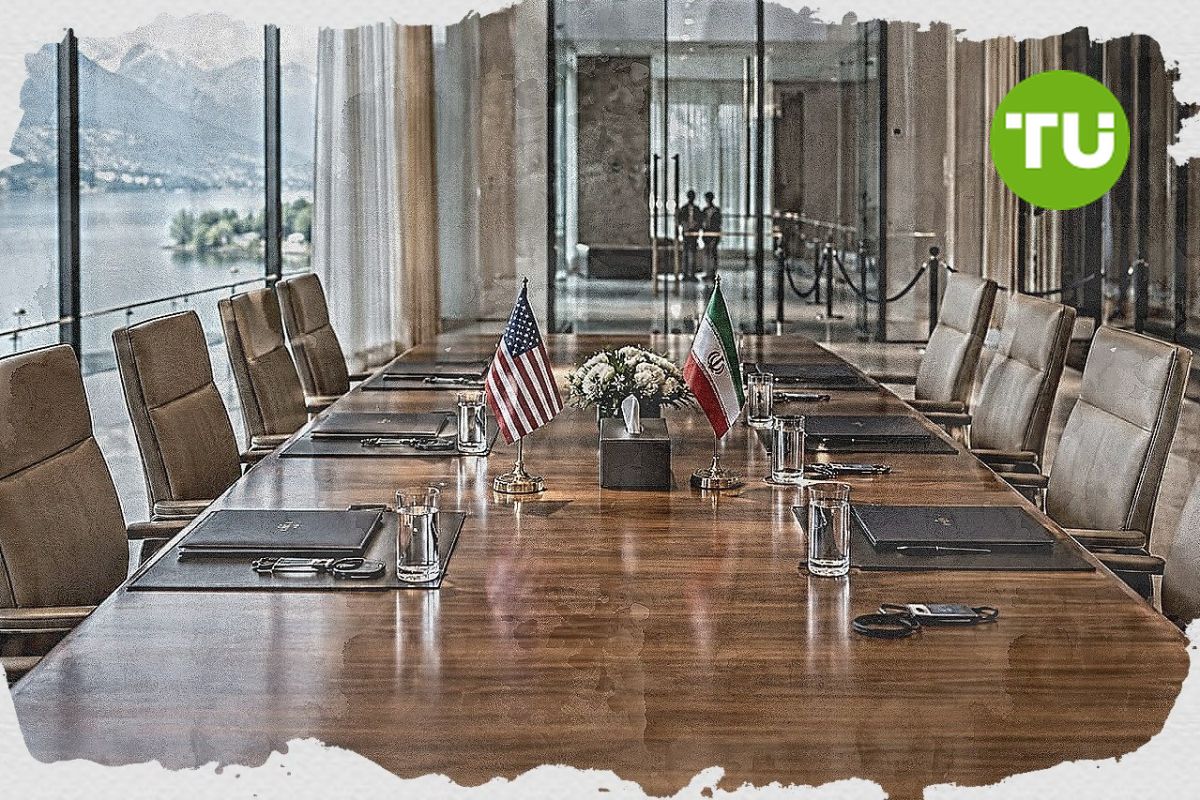
Planned U.S.-Iran talks in Switzerland were postponed on Friday, casting doubt on whether a fragile interim agreement can become a lasting settlement to the Middle East conflict. The delay came as Vice President JD Vance dropped plans to travel to the Swiss resort of Bürgenstock, adding uncertainty to a 60-day diplomatic window opened by this week’s accord.
Highlights
- U.S.-Iran talks in Switzerland were postponed.
- Vance dropped plans to travel for the negotiations.
- The interim deal gives negotiators 60 days to address Iran’s nuclear program.
- Continued fighting in Lebanon threatens the wider truce.
Diplomacy slows after interim deal
Switzerland said the talks would not take place as scheduled, though it remained ready to facilitate negotiations, and preparatory work at Bürgenstock was continuing. The White House attributed the delay to logistical issues, while U.S. officials had previously said Vance and the American delegation were prepared to depart once arrangements were finalized, Reuters reports.
Iran did not immediately confirm whether its negotiators would travel. Before the U.S. announcement, Iran’s semi-official Tasnim news agency reported that Tehran wanted to see signs that Washington was implementing the interim agreement before beginning technical talks.
The postponement complicates the next phase of a 14-point memorandum signed earlier this week. The deal extended a tenuous ceasefire by at least 60 days and set that period as the window for negotiations over Iran’s nuclear program, unless both sides agree to an extension. It also includes economic incentives, sanctions relief, and a proposed $300 billion reconstruction fund.
Israel and Lebanon add pressure
The agreement has also been strained by Israel’s continuing military operations against Hezbollah in Lebanon. Israel was not part of the U.S.-Iran talks and has distanced itself from the accord, raising questions over whether a settlement between Washington and Tehran can end the wider regional war.
Fresh Israeli strikes in Lebanon on Friday killed at least 18 people, according to Lebanon’s state news agency, while Israel said it was targeting Hezbollah positions. More than 1 million people have been displaced by the fighting in Lebanon, and the continuation of hostilities has become one of the clearest tests of the proposed ceasefire framework.
The war began on Feb. 28 with U.S. and Israeli airstrikes on Iran. It has killed at least 7,000 people, driven energy prices higher, and disrupted global markets.
Energy markets remain exposed
The delay matters because the agreement is tied not only to diplomacy but also to energy flows. The Strait of Hormuz had carried nearly one-fifth of global crude oil and liquefied natural gas supplies before the war. Iran has said it will maintain influence over the waterway with Oman and intends to charge ship service fees after the 60-day talks, though not during the negotiation period.
Oil prices dipped Thursday as tankers began moving through the reopening strait, but the postponed talks showed that market relief remains fragile. A lasting settlement would need to resolve Iran’s nuclear program, sanctions relief, missile limits, Lebanon, and the status of Hormuz. Until then, the ceasefire remains an interim arrangement rather than a durable peace.
It was earlier reported that the first oil tankers crossed the Strait of Hormuz after the U.S.-Iran agreement.


Latest Iran war News







-
 Afghanistan
-
 Albania
-
 Algeria
-
 Angola
-
 Argentina
-
 Armenia
-
 Australia
-
 Austria
-
 Azerbaijan
-
 Bahamas
-
 Bahrain
-
 Bangladesh
-
 Belarus
-
 Belgium
-
 Bolivia
-
 Botswana
-
 Brazil
-
 Brunei
-
 Bulgaria
-
 Cambodia
-
 Cameroon
-
 Canada
-
 Chile
Chile
-
 China
China
-
 Colombia
-
 Congo
Congo
-
 Costa Rica
-
 Cote d'Ivoire
-
 Croatia
-
 Cuba
Cuba
-
 Cyprus
-
 Czechia
-
 DR Congo
-
 Denmark
-
 Dominican Republic
-
 Ecuador
-
 Egypt
Egypt
-
 El Salvador
-
 Estonia
-
 Eswatini
-
 Ethiopia
-
 Finland
-
 France
-
 Georgia
-
 Germany
-
 Ghana
Ghana
-
 Greece
-
 Haiti
Haiti
-
 Hong Kong
-
 Hungary
-
 India
India
-
 Indonesia
-
 Iran, Islamic republic
-
 Iraq
Iraq
-
 Ireland
-
 Israel
-
 Italy
Italy
-
 Jamaica
-
 Japan
Japan
-
 Jordan
-
 Kazakhstan
-
 Kenya
Kenya
-
 Korea
Korea
-
 Kuwait
-
 Kyrgyzstan
-
 Laos
Laos
-
 Latvia
-
 Lebanon
-
 Lesotho
-
 Libya
Libya
-
 Lithuania
-
 Luxembourg
-
 Madagascar
-
 Malaysia
-
 Malta
Malta
-
 Mauritius
-
 Mexico
-
 Moldova
-
 Mongolia
-
 Montenegro
-
 Morocco
-
 Mozambique
-
 Myanmar
-
 Namibia
-
 Nepal
Nepal
-
 Netherlands
-
 New Zealand
-
 Nigeria
-
 North Macedonia
-
 Norway
-
 Oman
Oman
-
 Pakistan
-
 Palestine
-
 Panama
-
 Papua New Guinea
-
 Paraguay
-
 Peru
Peru
-
 Philippines
-
 Poland
-
 Portugal
-
 Puerto Rico
-
 Qatar
Qatar
-
 Reunion
-
 Romania
-
 Rwanda
-
 Saudi Arabia
-
 Serbia
-
 Singapore
-
 Slovakia
-
 Slovenia
-
 Somalia
-
 South Africa
-
 Spain
Spain
-
 Sri Lanka
-
 Sweden
-
 Switzerland
-
 Syria
Syria
-
 Taiwan
-
 Tajikistan
-
 Tanzania
-
 Thailand
-
 Trinidad and Tobago
-
 Tunisia
-
 Turkey
-
 UAE
UAE
-
 Uganda
-
 Ukraine
-
 United Kingdom
-
United States
-
 Uruguay
-
 Uzbekistan
-
 Venezuela
-
 Vietnam
-
 Yemen
Yemen
-
 Zambia
-
 Zimbabwe
- Forex
- Crypto











