
U.S.-Iran peace deal faces risk as Israel-Hezbollah strikes cloud Hormuz reopening
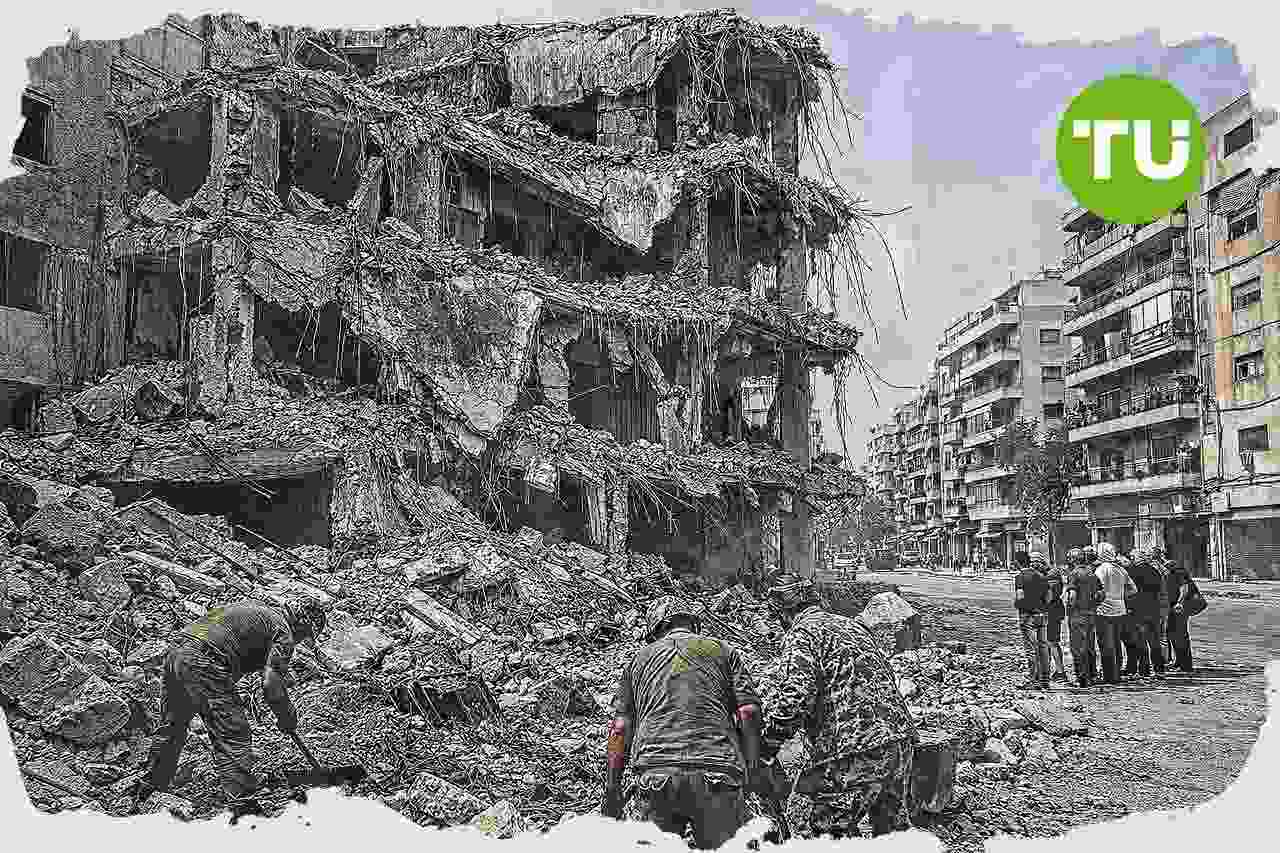
Diplomatic efforts to halt the conflict with Iran and reopen the Strait of Hormuz face fresh uncertainty as Israel and Tehran-backed Hezbollah in Lebanon exchange strikes. The flare-up comes as U.S. President Donald Trump says a tentative agreement with Tehran is due to be digitally signed on Sunday.
Highlights
- Israel-Hezbollah clashes in Lebanon threaten to delay the planned U.S.-Iran peace deal originally scheduled for signing on Sunday.
- Strait of Hormuz reopening remains uncertain, raising risks for global energy shipments and oil markets amid escalating regional violence.
- Iranian officials warn Israeli strikes could derail the agreement, while U.S. diplomats maintain confidence in a timely deal signing.
Lebanon escalation threatens signing timeline
As first reported by CNBC, the latest exchange of fire raises questions over whether a proposed U.S.-Iran agreement can move ahead on schedule after violence widens beyond Iran. The Israel Defense Forces say they struck a Hezbollah command center in Beirut after Hezbollah launched aerial attacks against Israeli civilians and IDF soldiers operating in southern Lebanon.The renewed confrontation follows Trump's statement that Washington and Tehran would sign an agreement on Sunday aimed at stopping the fighting with Iran and reopening the Strait of Hormuz. The waterway remains a critical route for global energy shipments, making any disruption a risk for oil markets and broader trade flows.
Regional and market stakes remain high
Iranian Parliamentary Speaker Mohammad Bagher Qalibaf says in a post on X that the Israeli strikes in Lebanon threaten to derail the deal. He says the incursion into Dahiyeh shows that America either lacks the will to fulfill its commitments or the ability to do so.Despite that warning, U.S. Ambassador to the United Nations Mike Waltz says on ABC's "This Week" that he remains confident the agreement will still be signed within the day. The competing signals leave investors and regional observers watching whether diplomacy can contain the conflict and secure passage through the Strait of Hormuz.
Our earlier coverage of the U.K. interception of the sanctioned tanker SMYRTOS detailed how British forces boarded the vessel in the English Channel as part of tougher enforcement against Russia’s shadow fleet. We noted the detention and ongoing investigation as a signal of widening scrutiny over sanctions compliance and the movement of restricted oil cargoes through strategic waterways.


Latest Finland News





-
 Afghanistan
-
 Albania
-
 Algeria
-
 Angola
-
 Argentina
-
 Armenia
-
 Australia
-
 Austria
-
 Azerbaijan
-
 Bahamas
-
 Bahrain
-
 Bangladesh
-
 Belarus
-
 Belgium
-
 Bolivia
-
 Botswana
-
 Brazil
-
 Brunei
-
 Bulgaria
-
 Cambodia
-
 Cameroon
-
 Canada
-
 Chile
Chile
-
 China
China
-
 Colombia
-
 Congo
Congo
-
 Costa Rica
-
 Cote d'Ivoire
-
 Croatia
-
 Cuba
Cuba
-
 Cyprus
-
 Czechia
-
 DR Congo
-
 Denmark
-
 Dominican Republic
-
 Ecuador
-
 Egypt
Egypt
-
 El Salvador
-
 Estonia
-
 Eswatini
-
 Ethiopia
-
 Finland
-
 France
-
 Georgia
-
 Germany
-
 Ghana
Ghana
-
 Greece
-
 Haiti
Haiti
-
 Hong Kong
-
 Hungary
-
 India
India
-
 Indonesia
-
 Iran, Islamic republic
-
 Iraq
Iraq
-
 Ireland
-
 Israel
-
 Italy
Italy
-
 Jamaica
-
 Japan
Japan
-
 Jordan
-
 Kazakhstan
-
 Kenya
Kenya
-
 Korea
Korea
-
 Kuwait
-
 Kyrgyzstan
-
 Laos
Laos
-
 Latvia
-
 Lebanon
-
 Lesotho
-
 Libya
Libya
-
 Lithuania
-
 Luxembourg
-
 Madagascar
-
 Malaysia
-
 Malta
Malta
-
 Mauritius
-
 Mexico
-
 Moldova
-
 Mongolia
-
 Montenegro
-
 Morocco
-
 Mozambique
-
 Myanmar
-
 Namibia
-
 Nepal
Nepal
-
 Netherlands
-
 New Zealand
-
 Nigeria
-
 North Macedonia
-
 Norway
-
 Oman
Oman
-
 Pakistan
-
 Palestine
-
 Panama
-
 Papua New Guinea
-
 Paraguay
-
 Peru
Peru
-
 Philippines
-
 Poland
-
 Portugal
-
 Puerto Rico
-
 Qatar
Qatar
-
 Reunion
-
 Romania
-
 Rwanda
-
 Saudi Arabia
-
 Serbia
-
 Singapore
-
 Slovakia
-
 Slovenia
-
 Somalia
-
 South Africa
-
 Spain
Spain
-
 Sri Lanka
-
 Sweden
-
 Switzerland
-
 Syria
Syria
-
 Taiwan
-
 Tajikistan
-
 Tanzania
-
 Thailand
-
 Trinidad and Tobago
-
 Tunisia
-
 Turkey
-
 UAE
UAE
-
 Uganda
-
 Ukraine
-
 United Kingdom
-
United States
-
 Uruguay
-
 Uzbekistan
-
 Venezuela
-
 Vietnam
-
 Yemen
Yemen
-
 Zambia
-
 Zimbabwe
- Forex
- Crypto











