
Oil gains after new U.S.-Iran talks are called off
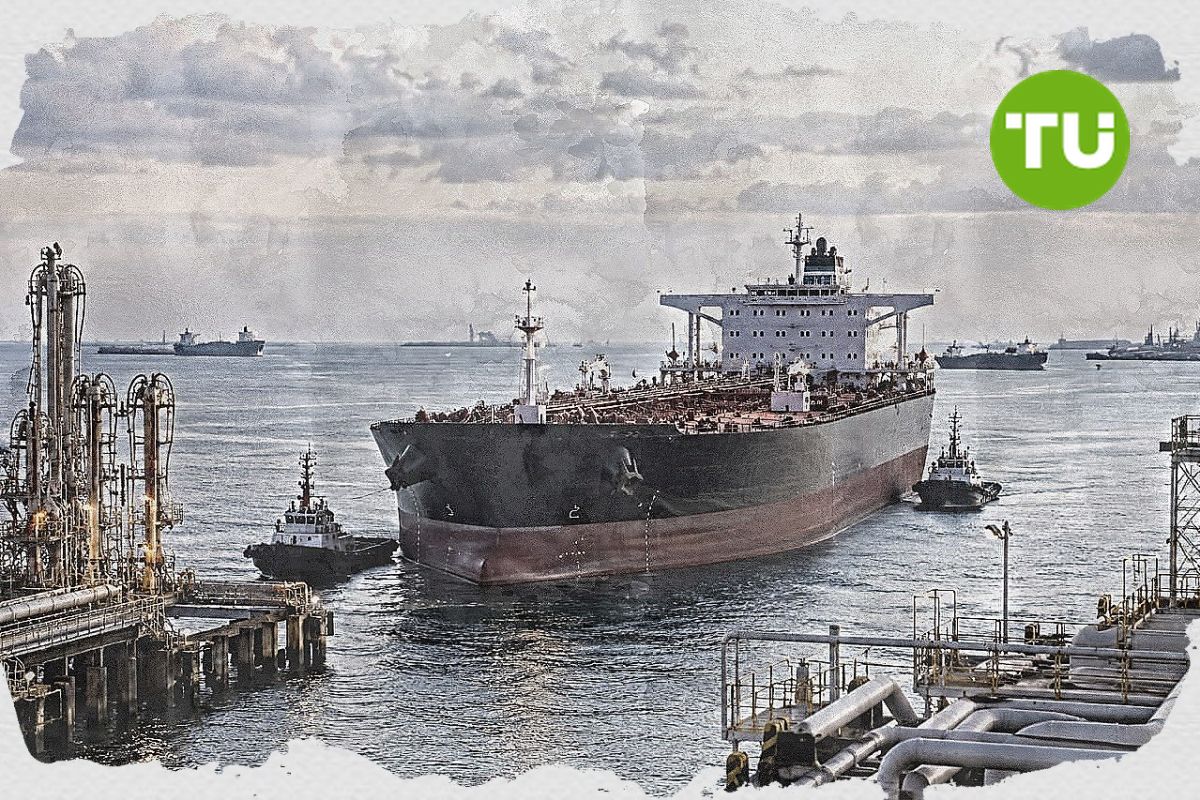
Oil prices rose in volatile trading Friday after follow-up talks between the United States and Iran were postponed, tempering hopes that an interim ceasefire could quickly turn into a durable peace settlement. The move underscored how much of the recent oil selloff still depends on whether shipping through the Strait of Hormuz returns to normal.
Highlights
- Brent rose to $80.13, while WTI climbed to $76.24.
- U.S.-Iran follow-up talks in Switzerland were postponed.
- Tankers carrying more than 12 million barrels recently crossed Hormuz.
- OPEC rejected forecasts of a future oil supply glut.
Talks delay revives supply risk
Brent crude futures for August rose 1.13% to $80.13 a barrel, while U.S. West Texas Intermediate futures for July gained 0.99% to $76.24, reversing earlier losses. According to CNBC, the rebound came after Switzerland’s foreign ministry said talks scheduled for Friday at Bürgenstock would not go ahead as planned.
The White House also said Vice President JD Vance would no longer travel to Switzerland, citing unresolved logistical issues around the negotiations. The cancellation did not formally derail the interim agreement, but it weakened confidence that the two sides were moving smoothly toward a broader settlement.
Markets had been pricing in faster normalization after signs that commercial flows were beginning to resume through the Strait of Hormuz, a key route for global energy exports. Earlier in the week, U.S. officials said tankers carrying more than 12 million barrels had crossed the strait overnight and that Iran had not targeted ships for a second consecutive night.
That helped push crude lower in previous sessions. Still, traders remain cautious because major shipping lines have not fully resumed transits and insurance costs remain elevated. Brent remains well below levels seen during the height of the conflict, but the latest price action shows that risk premiums can return quickly when diplomacy stalls.
OPEC rejects supply glut view
The market also absorbed comments from OPEC Secretary General Haitham Al Ghais, who said the group does not expect oil demand to peak in the foreseeable future. He also pushed back against forecasts from the International Energy Agency, pointing to a future supply glut.
That difference matters for traders weighing short-term geopolitics against longer-term fundamentals. If demand remains resilient and Hormuz normalization takes longer than expected, crude prices could stay supported even after the sharp retreat from wartime highs.
Hormuz still sets the price floor
The oil market is no longer reacting only to the ceasefire itself. It is now testing whether the ceasefire can restore predictable flows through one of the world’s most important energy corridors.
The Strait of Hormuz remains central because delays in shipping, higher insurance rates, or renewed security concerns can quickly affect crude and LNG supply expectations. Even after a sharp decline from conflict-era peaks, Brent near $80 shows traders are not ready to remove the geopolitical premium entirely. A lasting drop in prices will likely require more than diplomatic language. It will require sustained tanker traffic, lower insurance costs, and evidence that the interim agreement is holding.
We also reported U.S.-Iran agreement sends oil prices lower.









-
 Afghanistan
-
 Albania
-
 Algeria
-
 Angola
-
 Argentina
-
 Armenia
-
 Australia
-
 Austria
-
 Azerbaijan
-
 Bahamas
-
 Bahrain
-
 Bangladesh
-
 Belarus
-
 Belgium
-
 Bolivia
-
 Botswana
-
 Brazil
-
 Brunei
-
 Bulgaria
-
 Cambodia
-
 Cameroon
-
 Canada
-
 Chile
Chile
-
 China
China
-
 Colombia
-
 Congo
Congo
-
 Costa Rica
-
 Cote d'Ivoire
-
 Croatia
-
 Cuba
Cuba
-
 Cyprus
-
 Czechia
-
 DR Congo
-
 Denmark
-
 Dominican Republic
-
 Ecuador
-
 Egypt
Egypt
-
 El Salvador
-
 Estonia
-
 Eswatini
-
 Ethiopia
-
 Finland
-
 France
-
 Georgia
-
 Germany
-
 Ghana
Ghana
-
 Greece
-
 Haiti
Haiti
-
 Hong Kong
-
 Hungary
-
 India
India
-
 Indonesia
-
 Iran, Islamic republic
-
 Iraq
Iraq
-
 Ireland
-
 Israel
-
 Italy
Italy
-
 Jamaica
-
 Japan
Japan
-
 Jordan
-
 Kazakhstan
-
 Kenya
Kenya
-
 Korea
Korea
-
 Kuwait
-
 Kyrgyzstan
-
 Laos
Laos
-
 Latvia
-
 Lebanon
-
 Lesotho
-
 Libya
Libya
-
 Lithuania
-
 Luxembourg
-
 Madagascar
-
 Malaysia
-
 Malta
Malta
-
 Mauritius
-
 Mexico
-
 Moldova
-
 Mongolia
-
 Montenegro
-
 Morocco
-
 Mozambique
-
 Myanmar
-
 Namibia
-
 Nepal
Nepal
-
 Netherlands
-
 New Zealand
-
 Nigeria
-
 North Macedonia
-
 Norway
-
 Oman
Oman
-
 Pakistan
-
 Palestine
-
 Panama
-
 Papua New Guinea
-
 Paraguay
-
 Peru
Peru
-
 Philippines
-
 Poland
-
 Portugal
-
 Puerto Rico
-
 Qatar
Qatar
-
 Reunion
-
 Romania
-
 Rwanda
-
 Saudi Arabia
-
 Serbia
-
 Singapore
-
 Slovakia
-
 Slovenia
-
 Somalia
-
 South Africa
-
 Spain
Spain
-
 Sri Lanka
-
 Sweden
-
 Switzerland
-
 Syria
Syria
-
 Taiwan
-
 Tajikistan
-
 Tanzania
-
 Thailand
-
 Trinidad and Tobago
-
 Tunisia
-
 Turkey
-
 UAE
UAE
-
 Uganda
-
 Ukraine
-
 United Kingdom
-
United States
-
 Uruguay
-
 Uzbekistan
-
 Venezuela
-
 Vietnam
-
 Yemen
Yemen
-
 Zambia
-
 Zimbabwe
- Forex
- Crypto











