
Iran tightens rules for Hormuz ship transit
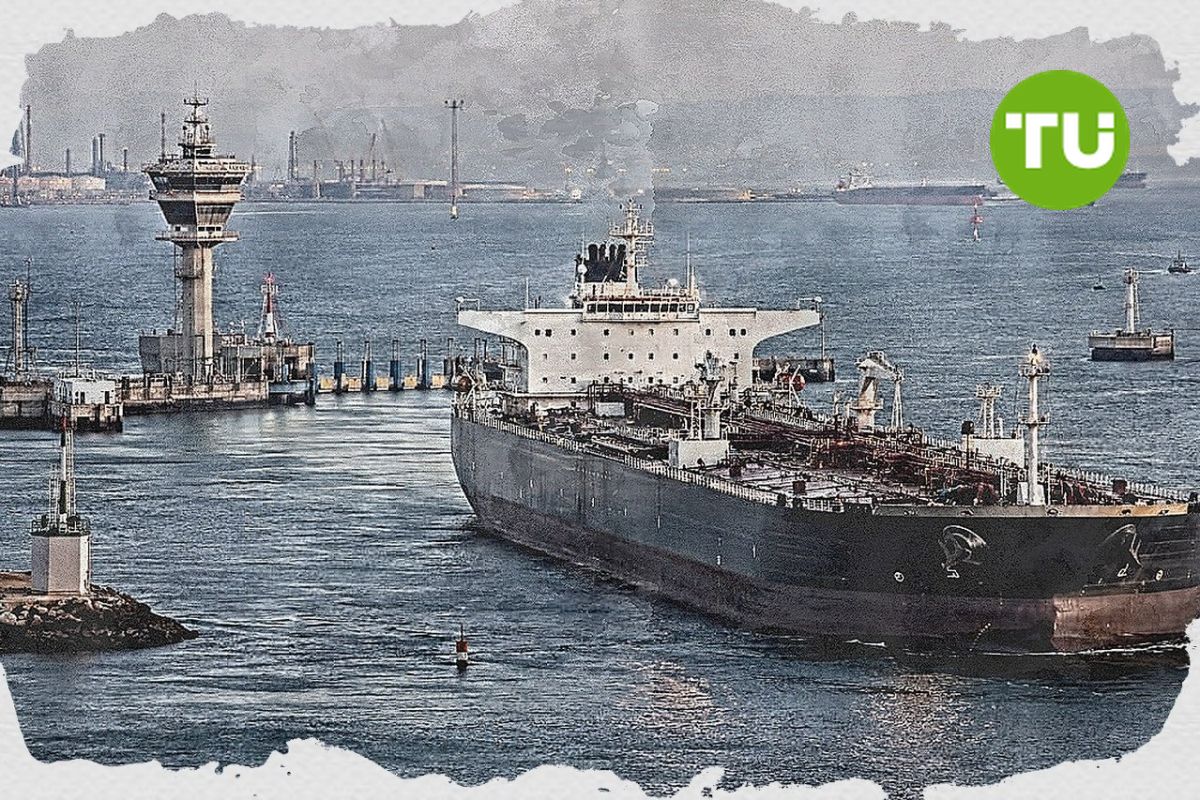
Iran has moved to formalize control over ship traffic through the Strait of Hormuz, issuing rules that require vessels to obtain permission and carry insurance arranged through Tehran. The measures have renewed concern among shippers and energy traders that the vital waterway could face tolls after the current 60-day U.S.-Iran interim arrangement expires.
Highlights
- Iran says ships need permission to cross Hormuz.
- Mandatory insurance is free now but could carry fees later.
- Shipping recovered briefly, then slowed again.
- Hormuz remains central to global oil and LNG flows.
New rules for a critical waterway
Iran’s Persian Gulf Strait Authority said vessels crossing Hormuz must request passage permits, follow prescribed routes and hold a mandatory insurance policy. According to Bloomberg, the coverage is currently provided free of charge, but the authority reserved the right to introduce fees later, creating a possible framework for future charges on commercial transit.
The rules appear to conflict with guidance from Western naval groups, which have advised ships to remain close to the Omani coast. Iran’s neighbors have rejected the legitimacy of the Persian Gulf Strait Authority, which Tehran created during the war and which has been sanctioned by the United States.
The announcement comes only days after Washington and Tehran reached an interim agreement intended to restore shipping through Hormuz and reduce pressure on global energy markets. The deal allows free passage during its 60-day term, but it does not clearly define what happens afterward. That ambiguity has become a central concern for shipowners, insurers, and oil producers.
Shipping recovery remains uneven
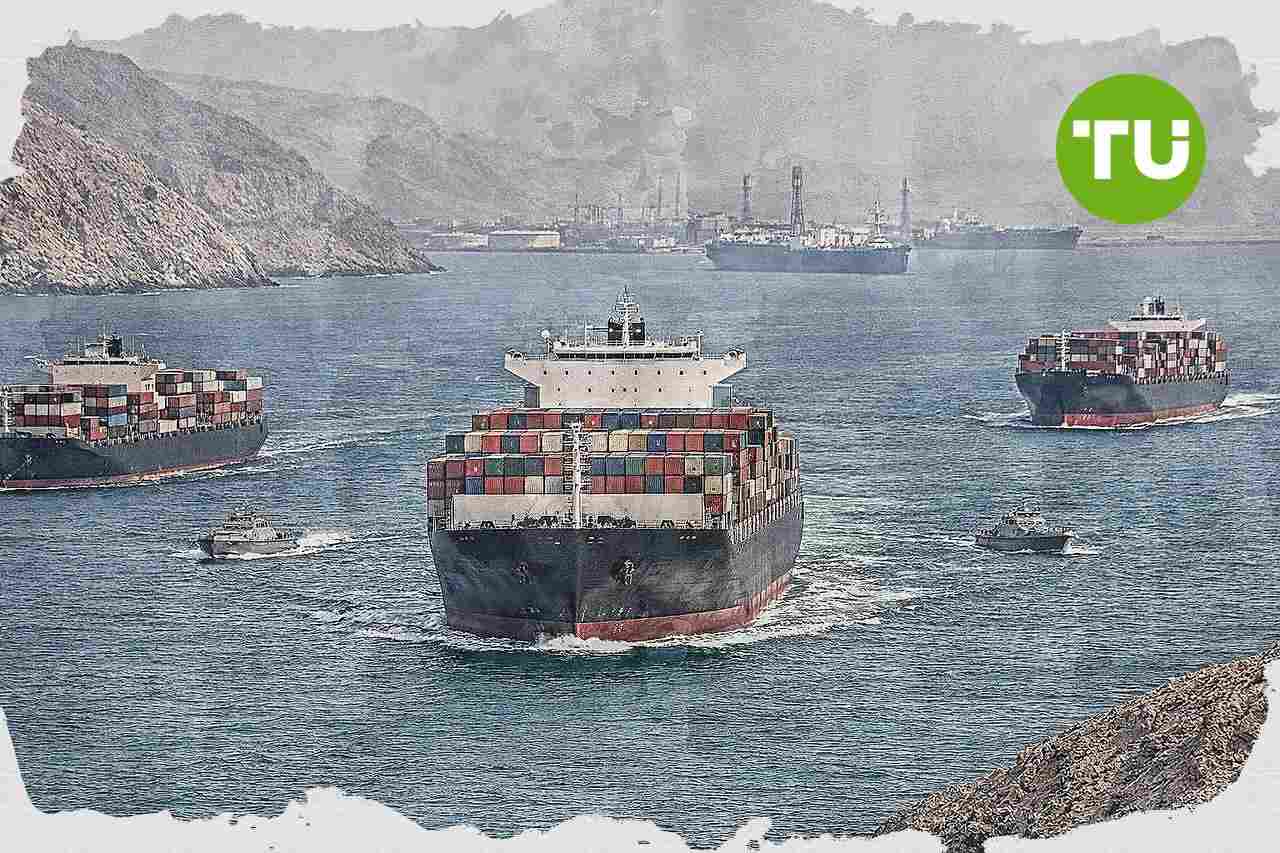
Traffic through the strait briefly improved this week. Maritime data showed major shipowners had begun moving vessels through Hormuz after the U.S.-Iran agreement, while other reports said 25 verified commercial ships passed through the waterway on Thursday.
The recovery has already shown signs of fragility. Observable traffic slowed sharply by Friday, and shipping companies continued to weigh security risks, insurance costs and conflicting navigation instructions. German media also reported warning shots and radio messages advising ships not to approach the strait, though there was no official confirmation.
The Strait of Hormuz is one of the world’s most important energy chokepoints. Before the conflict, it carried roughly one-fifth of global crude oil and liquefied natural gas supplies, making even minor disruptions significant for fuel prices, shipping costs and inflation expectations.
Energy markets face a new risk premium
Iran’s rules shift the Hormuz issue from a simple reopening question to a broader dispute over control, fees and maritime authority. For energy markets, that matters because the interim U.S.-Iran deal offers only temporary clarity.
If Tehran later charges vessels for insurance or passage, shipping costs could rise and some operators may delay full returns to the route. If Western naval advice and Iranian routing demands continue to diverge, the legal and security risks could remain elevated.
The immediate effect is uncertainty. Oil prices may ease when tankers move, but traders are unlikely to remove the geopolitical premium fully until Hormuz traffic is steady, insurance terms are clear, and the 60-day agreement produces a more durable settlement.
Earlier, we reported that oil gains after new U.S.-Iran talks are called off.







-
 Afghanistan
-
 Albania
-
 Algeria
-
 Angola
-
 Argentina
-
 Armenia
-
 Australia
-
 Austria
-
 Azerbaijan
-
 Bahamas
-
 Bahrain
-
 Bangladesh
-
 Belarus
-
 Belgium
-
 Bolivia
-
 Botswana
-
 Brazil
-
 Brunei
-
 Bulgaria
-
 Cambodia
-
 Cameroon
-
 Canada
-
 Chile
Chile
-
 China
China
-
 Colombia
-
 Congo
Congo
-
 Costa Rica
-
 Cote d'Ivoire
-
 Croatia
-
 Cuba
Cuba
-
 Cyprus
-
 Czechia
-
 DR Congo
-
 Denmark
-
 Dominican Republic
-
 Ecuador
-
 Egypt
Egypt
-
 El Salvador
-
 Estonia
-
 Eswatini
-
 Ethiopia
-
 Finland
-
 France
-
 Georgia
-
 Germany
-
 Ghana
Ghana
-
 Greece
-
 Haiti
Haiti
-
 Hong Kong
-
 Hungary
-
 India
India
-
 Indonesia
-
 Iran, Islamic republic
-
 Iraq
Iraq
-
 Ireland
-
 Israel
-
 Italy
Italy
-
 Jamaica
-
 Japan
Japan
-
 Jordan
-
 Kazakhstan
-
 Kenya
Kenya
-
 Korea
Korea
-
 Kuwait
-
 Kyrgyzstan
-
 Laos
Laos
-
 Latvia
-
 Lebanon
-
 Lesotho
-
 Libya
Libya
-
 Lithuania
-
 Luxembourg
-
 Madagascar
-
 Malaysia
-
 Malta
Malta
-
 Mauritius
-
 Mexico
-
 Moldova
-
 Mongolia
-
 Montenegro
-
 Morocco
-
 Mozambique
-
 Myanmar
-
 Namibia
-
 Nepal
Nepal
-
 Netherlands
-
 New Zealand
-
 Nigeria
-
 North Macedonia
-
 Norway
-
 Oman
Oman
-
 Pakistan
-
 Palestine
-
 Panama
-
 Papua New Guinea
-
 Paraguay
-
 Peru
Peru
-
 Philippines
-
 Poland
-
 Portugal
-
 Puerto Rico
-
 Qatar
Qatar
-
 Reunion
-
 Romania
-
 Rwanda
-
 Saudi Arabia
-
 Serbia
-
 Singapore
-
 Slovakia
-
 Slovenia
-
 Somalia
-
 South Africa
-
 Spain
Spain
-
 Sri Lanka
-
 Sweden
-
 Switzerland
-
 Syria
Syria
-
 Taiwan
-
 Tajikistan
-
 Tanzania
-
 Thailand
-
 Trinidad and Tobago
-
 Tunisia
-
 Turkey
-
 UAE
UAE
-
 Uganda
-
 Ukraine
-
 United Kingdom
-
United States
-
 Uruguay
-
 Uzbekistan
-
 Venezuela
-
 Vietnam
-
 Yemen
Yemen
-
 Zambia
-
 Zimbabwe
- Forex
- Crypto











