
U.S. drops proposed Strait of Hormuz cargo fee amid Gulf investment push
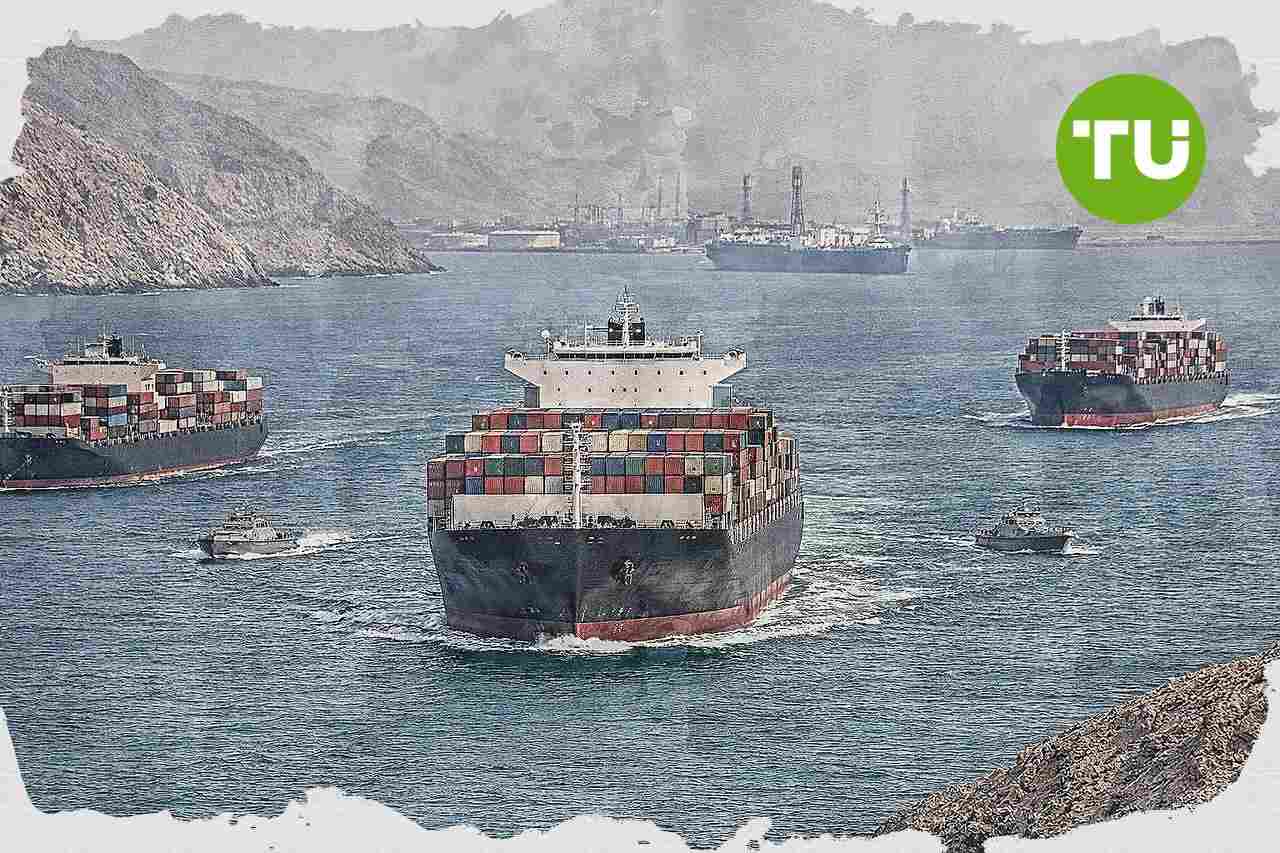
Rising tensions between Washington and Tehran over the Strait of Hormuz are prompting a rapid shift in U.S. trade policy. Donald Trump says he will scrap a proposed 20% fee on cargo moving through the waterway and replace it with trade and investment deals from Gulf states into the United States.
Highlights
- Trump withdraws planned 20% United States Reimbursement Fee for Strait of Hormuz cargo following talks with Middle East leaders.
- The policy reversal shifts U.S. strategy from direct maritime fees to securing Gulf trade and investment commitments amid persistent regional tensions.
- Immediate relief for shippers reduces tariff concerns, but ongoing U.S.-Iran standoff keeps energy, shipping, and trade market risks elevated.
Policy reversal after blockade threat
As first reported by Financial Times, Trump says in a post on Truth Social that he has decided to replace the planned "20% United States Reimbursement Fee" after what he describes as highly productive talks with Middle East leaders. The change marks a reversal from his position a day earlier, when he says the U.S. will reinstate a blockade in the Strait of Hormuz and impose a 20% charge on cargo passing through the route.The Strait of Hormuz remains a critical global shipping lane, and the proposed levy emerges as the U.S. and Iran contest control of the waterway. Trump frames the new approach as an effort to secure Gulf trade and investment commitments instead of collecting a direct cargo fee.
Market and regional implications
The shift signals that the White House is tying security tensions in the Gulf more closely to investment flows into the U.S., rather than pursuing a direct tariff-like charge on maritime التجارة. That approach could ease immediate concern for shippers using the strait, although the wider confrontation between Washington and Tehran continues.Because the dispute over the waterway remains active, policy risks for energy, shipping and trade markets are still elevated. The story is still developing, and the broader commercial impact depends on whether the U.S. follows through on the proposed investment-based alternative and how Iran responds.
In our earlier coverage of AUD/USD moves amid rising U.S.–Iran tensions, we noted that heightened geopolitical risk was driving risk-off positioning and increasing volatility in the pair. The article highlighted that despite short-term gains, AUD/USD faced key technical resistance and remained vulnerable to external shocks as investors reassessed safe-haven demand and commodity-linked risk.


Latest Trade Deals News







-
 Afghanistan
-
 Albania
-
 Algeria
-
 Angola
-
 Argentina
-
 Armenia
-
 Australia
-
 Austria
-
 Azerbaijan
-
 Bahamas
-
 Bahrain
-
 Bangladesh
-
 Belarus
-
 Belgium
-
 Bolivia
-
 Botswana
-
 Brazil
-
 Brunei
-
 Bulgaria
-
 Cambodia
-
 Cameroon
-
 Canada
-
 Chile
Chile
-
 China
China
-
 Colombia
-
 Congo
Congo
-
 Costa Rica
-
 Cote d'Ivoire
-
 Croatia
-
 Cuba
Cuba
-
 Cyprus
-
 Czechia
-
 DR Congo
-
 Denmark
-
 Dominican Republic
-
 Ecuador
-
 Egypt
Egypt
-
 El Salvador
-
 Estonia
-
 Eswatini
-
 Ethiopia
-
 Finland
-
 France
-
 Georgia
-
 Germany
-
 Ghana
Ghana
-
 Greece
-
 Haiti
Haiti
-
 Hong Kong
-
 Hungary
-
 India
India
-
 Indonesia
-
 Iran, Islamic republic
-
 Iraq
Iraq
-
 Ireland
-
 Israel
-
 Italy
Italy
-
 Jamaica
-
 Japan
Japan
-
 Jordan
-
 Kazakhstan
-
 Kenya
Kenya
-
 Korea
Korea
-
 Kuwait
-
 Kyrgyzstan
-
 Laos
Laos
-
 Latvia
-
 Lebanon
-
 Lesotho
-
 Libya
Libya
-
 Lithuania
-
 Luxembourg
-
 Madagascar
-
 Malaysia
-
 Malta
Malta
-
 Mauritius
-
 Mexico
-
 Moldova
-
 Mongolia
-
 Montenegro
-
 Morocco
-
 Mozambique
-
 Myanmar
-
 Namibia
-
 Nepal
Nepal
-
 Netherlands
-
 New Zealand
-
 Nigeria
-
 North Macedonia
-
 Norway
-
 Oman
Oman
-
 Pakistan
-
 Palestine
-
 Panama
-
 Papua New Guinea
-
 Paraguay
-
 Peru
Peru
-
 Philippines
-
 Poland
-
 Portugal
-
 Puerto Rico
-
 Qatar
Qatar
-
 Reunion
-
 Romania
-
 Rwanda
-
 Saudi Arabia
-
 Serbia
-
 Singapore
-
 Slovakia
-
 Slovenia
-
 Somalia
-
 South Africa
-
 Spain
Spain
-
 Sri Lanka
-
 Sweden
-
 Switzerland
-
 Syria
Syria
-
 Taiwan
-
 Tajikistan
-
 Tanzania
-
 Thailand
-
 Trinidad and Tobago
-
 Tunisia
-
 Turkey
-
 UAE
UAE
-
 Uganda
-
 Ukraine
-
 United Kingdom
-
United States
-
 Uruguay
-
 Uzbekistan
-
 Venezuela
-
 Vietnam
-
 Yemen
Yemen
-
 Zambia
-
 Zimbabwe
- Forex
- Crypto











