
UK food and drink sector gains Swiss tariff cuts under free trade agreement
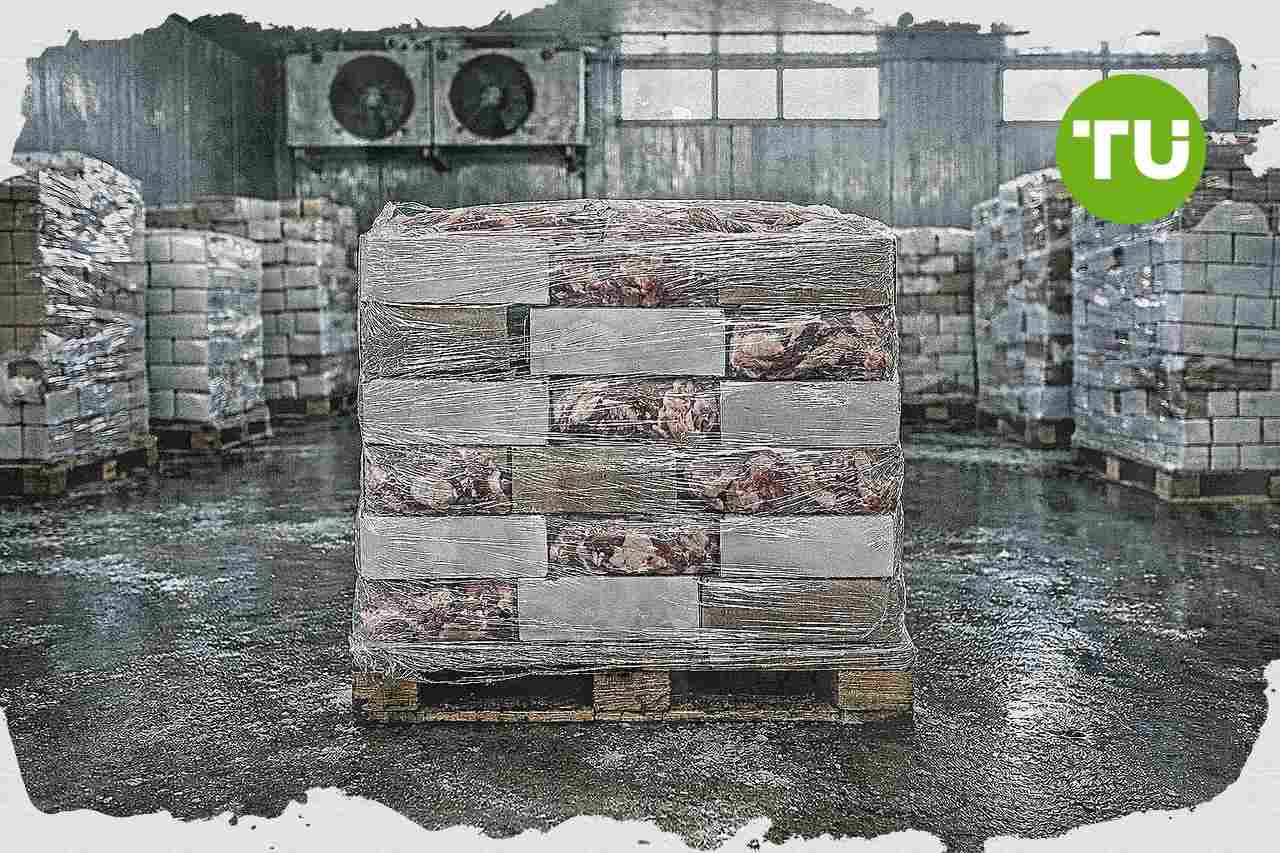
The UK is expanding market access for food and drink exporters through a new free trade agreement with Switzerland. The deal targets a market worth £195 million a year on a 2019 to 2022 average basis and includes tariff benefits for lamb, beef, dairy, fruit, vegetables and English sparkling wine.
Highlights
- UK-Switzerland trade agreement grants British lamb tariff-free access for the first time and cuts tariffs up to 50% on select dairy, beef, and sparkling wine exports.
- Seasonal tariffs for UK fruit and vegetable exporters to Switzerland drop as low as 0% for products like peas, carrots, and broad beans, enhancing market competitiveness.
- The deal enables protection of 28 more UK Geographical Indications in Switzerland and introduces streamlined sanitary and phytosanitary procedures to reduce export barriers.
Tariff changes widen access for agri-food exporters
As reported by GOV.UK, the agreement gives UK agri-food and drink exporters improved access to Switzerland while keeping protections in place for sensitive domestic sectors. The government says the deal offers no new access on pork, poultry and eggs, while opening new opportunities for lamb, selected beef and dairy products.British lamb is set to enter Switzerland tariff-free under the Swiss quota system for the first time, while high-quality UK beef steaks receive a 35% tariff reduction. Dairy exporters also gain from tariff cuts of up to 50% on products including milk powder, adding to existing tariff-free access for cheese.
UK fruit and vegetable growers are also due to benefit from improved seasonal access, with tariffs falling to as low as 0% on products such as peas, carrots and broad beans. English sparkling wine producers receive a 34% tariff reduction, which the government describes as Switzerland’s best preferential treatment on sparkling wine.
Trade and standards implications for the UK sector
The agreement is presented as a way to strengthen the competitive position of UK farmers and producers in one of the world’s more protected agricultural markets. The government says the terms give British lamb an advantage over exporters from the EU, Australia and New Zealand, which still face standard in-quota tariffs.The deal also allows the UK, subject to Swiss processes, to protect a further 28 Geographical Indications in Switzerland, including Traditional Welsh Caerphilly and Ayrshire New Potatoes. That would add to the 66 UK Geographical Indications already protected under the existing UK-Switzerland Agriculture Agreement.
A new sanitary and phytosanitary chapter is also included to make trade more predictable through faster information sharing, less border red tape and quicker resolution of trade issues. Industry backing from the National Farmers' Union indicates the agreement is likely to be watched closely by meat, dairy and viticulture businesses seeking export growth.
Our earlier report on the UK joining the EU’s Ukraine Support Loan scheme explained how the move gives British defence companies access to contracts financed by a €90 billion facility backing Ukraine. We also noted the political timing of the decision and its broader significance as an effort to strengthen UK-EU ties after Brexit, while maintaining support for Ukraine and boosting the UK defence sector.


Latest Trade Deals News





-
 Afghanistan
-
 Albania
-
 Algeria
-
 Angola
-
 Argentina
-
 Armenia
-
 Australia
-
 Austria
-
 Azerbaijan
-
 Bahamas
-
 Bahrain
-
 Bangladesh
-
 Belarus
-
 Belgium
-
 Bolivia
-
 Botswana
-
 Brazil
-
 Brunei
-
 Bulgaria
-
 Cambodia
-
 Cameroon
-
 Canada
-
 Chile
Chile
-
 China
China
-
 Colombia
-
 Congo
Congo
-
 Costa Rica
-
 Cote d'Ivoire
-
 Croatia
-
 Cuba
Cuba
-
 Cyprus
-
 Czechia
-
 DR Congo
-
 Denmark
-
 Dominican Republic
-
 Ecuador
-
 Egypt
Egypt
-
 El Salvador
-
 Estonia
-
 Eswatini
-
 Ethiopia
-
 Finland
-
 France
-
 Georgia
-
 Germany
-
 Ghana
Ghana
-
 Greece
-
 Haiti
Haiti
-
 Hong Kong
-
 Hungary
-
 India
India
-
 Indonesia
-
 Iran, Islamic republic
-
 Iraq
Iraq
-
 Ireland
-
 Israel
-
 Italy
Italy
-
 Jamaica
-
 Japan
Japan
-
 Jordan
-
 Kazakhstan
-
 Kenya
Kenya
-
 Korea
Korea
-
 Kuwait
-
 Kyrgyzstan
-
 Laos
Laos
-
 Latvia
-
 Lebanon
-
 Lesotho
-
 Libya
Libya
-
 Lithuania
-
 Luxembourg
-
 Madagascar
-
 Malaysia
-
 Malta
Malta
-
 Mauritius
-
 Mexico
-
 Moldova
-
 Mongolia
-
 Montenegro
-
 Morocco
-
 Mozambique
-
 Myanmar
-
 Namibia
-
 Nepal
Nepal
-
 Netherlands
-
 New Zealand
-
 Nigeria
-
 North Macedonia
-
 Norway
-
 Oman
Oman
-
 Pakistan
-
 Palestine
-
 Panama
-
 Papua New Guinea
-
 Paraguay
-
 Peru
Peru
-
 Philippines
-
 Poland
-
 Portugal
-
 Puerto Rico
-
 Qatar
Qatar
-
 Reunion
-
 Romania
-
 Rwanda
-
 Saudi Arabia
-
 Serbia
-
 Singapore
-
 Slovakia
-
 Slovenia
-
 Somalia
-
 South Africa
-
 Spain
Spain
-
 Sri Lanka
-
 Sweden
-
 Switzerland
-
 Syria
Syria
-
 Taiwan
-
 Tajikistan
-
 Tanzania
-
 Thailand
-
 Trinidad and Tobago
-
 Tunisia
-
 Turkey
-
 UAE
UAE
-
 Uganda
-
 Ukraine
-
 United Kingdom
-
United States
-
 Uruguay
-
 Uzbekistan
-
 Venezuela
-
 Vietnam
-
 Yemen
Yemen
-
 Zambia
-
 Zimbabwe
- Forex
- Crypto











