
Pentagon critical minerals squeeze sharpens focus on non-China defense supply chain
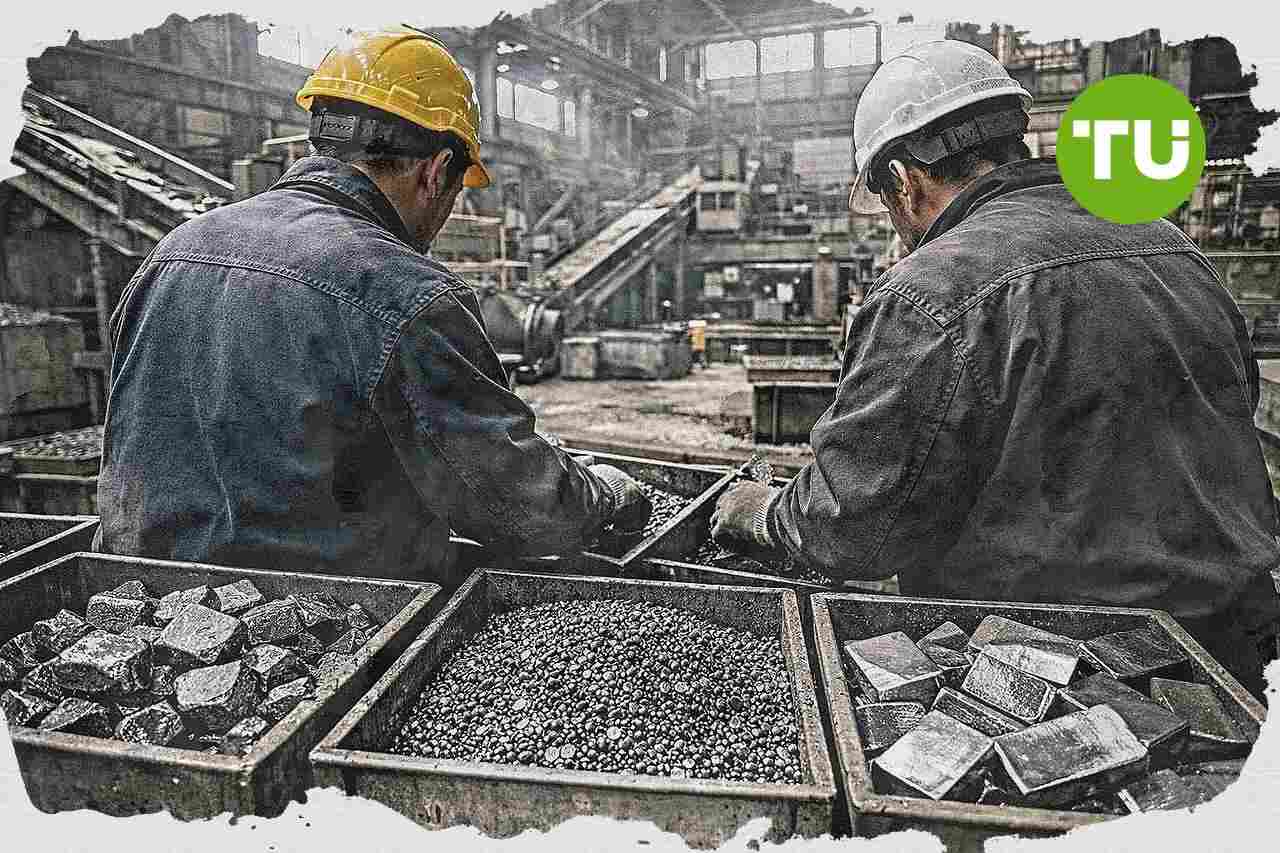
Renewed U.S.-Iran fighting is intensifying pressure on defense manufacturing inputs as Washington seeks a larger military buildout. The supply strain centers on a small group of critical minerals, many still tied to Chinese export controls and licensing requirements.
Highlights
- The Pentagon seeks an additional $80 billion for the U.S.-Iran war atop a $1.5 trillion fiscal 2027 defense budget, as critical mineral shortages constrain missile and drone production.
- 78% of U.S. military weapons systems are vulnerable to supply cutoffs in key metals like antimony, gallium, germanium, tungsten and tellurium, where China controls the upstream supply.
- Germanium in Western U.S. warehouses trades at $6,250 per kilogram—an 83% premium over China's price—while 5N Plus received an $18 million U.S. award to expand U.S. germanium recycling in 2026.
Defense demand and mineral bottlenecks
As reported by Weiss Ratings, the Pentagon is seeking an additional $80 billion for the U.S.-Iran war on top of the Trump administration’s proposed $1.5 trillion fiscal 2027 defense budget, while faster drone and missile production is colliding with tight supplies of specialty metals.The article says the U.S. military is consuming missiles and drones faster than manufacturers can replace them. It points to the Department of War’s $1.1 billion Drone Dominance Program, which calls for 150,000 drones in two years, and says actual demand could be far higher. It also notes that Texas-based Saronic sea drones were used on July 13 in an attack targeting an Iranian naval base.
At the center of the constraint are gallium, germanium, indium compounds, antimony, tungsten and tellurium, which are used in radar amplifiers, communications systems, infrared optics, night-vision equipment and missile targeting technology. Govini identified antimony, gallium, germanium, tungsten and tellurium as five elements where Chinese dominance leaves the U.S. exposed, with 78% of U.S. military weapons systems potentially vulnerable to a cutoff.
Price signals and possible equity beneficiaries
China’s export posture remains a key market risk even after its Ministry of Commerce suspended an export ban on gallium, germanium, antimony and superhard materials to the U.S. through Nov. 27, 2026. The text says restrictions on metals for military uses remain in effect, and exporters still need a license from Chinese authorities for each overseas shipment.That licensing regime is contributing to price dislocations. Shanghai Metals Market data cited in the text shows germanium in Western U.S. warehouses at about $6,250 per kilogram as of July 1, compared with roughly $3,417 in China’s domestic market, an 83% premium. The article also says germanium prices rose about 30% from April through June, while new supply remains hard to add because these materials are often byproducts of zinc refining or aluminum production rather than directly mined output.
With no retail physical market or ETF for germanium, the piece says investors looking for exposure are limited to equities tied indirectly to supply expansion. It highlights Montreal-based 5N Plus, a refiner and recycler of germanium, gallium and indium, which received an $18 million U.S. government award in early 2026 to expand germanium recycling at its St. George, Utah plant.
In our earlier article on Kratos Defense & Security Solutions (KTOS), we covered the stock’s jump after the company won a roughly $100 million contract to develop a ground-based modular system for space domain awareness. We also noted that, despite the news-driven spike, the technical picture remained weak and insider selling weighed on sentiment, suggesting limited upside unless key resistance levels were reclaimed.


Latest Export Controls News






-
 Afghanistan
-
 Albania
-
 Algeria
-
 Angola
-
 Argentina
-
 Armenia
-
 Australia
-
 Austria
-
 Azerbaijan
-
 Bahamas
-
 Bahrain
-
 Bangladesh
-
 Belarus
-
 Belgium
-
 Bolivia
-
 Botswana
-
 Brazil
-
 Brunei
-
 Bulgaria
-
 Cambodia
-
 Cameroon
-
 Canada
-
 Chile
Chile
-
 China
China
-
 Colombia
-
 Congo
Congo
-
 Costa Rica
-
 Cote d'Ivoire
-
 Croatia
-
 Cuba
Cuba
-
 Cyprus
-
 Czechia
-
 DR Congo
-
 Denmark
-
 Dominican Republic
-
 Ecuador
-
 Egypt
Egypt
-
 El Salvador
-
 Estonia
-
 Eswatini
-
 Ethiopia
-
 Finland
-
 France
-
 Georgia
-
 Germany
-
 Ghana
Ghana
-
 Greece
-
 Haiti
Haiti
-
 Hong Kong
-
 Hungary
-
 India
India
-
 Indonesia
-
 Iran, Islamic republic
-
 Iraq
Iraq
-
 Ireland
-
 Israel
-
 Italy
Italy
-
 Jamaica
-
 Japan
Japan
-
 Jordan
-
 Kazakhstan
-
 Kenya
Kenya
-
 Korea
Korea
-
 Kuwait
-
 Kyrgyzstan
-
 Laos
Laos
-
 Latvia
-
 Lebanon
-
 Lesotho
-
 Libya
Libya
-
 Lithuania
-
 Luxembourg
-
 Madagascar
-
 Malaysia
-
 Malta
Malta
-
 Mauritius
-
 Mexico
-
 Moldova
-
 Mongolia
-
 Montenegro
-
 Morocco
-
 Mozambique
-
 Myanmar
-
 Namibia
-
 Nepal
Nepal
-
 Netherlands
-
 New Zealand
-
 Nigeria
-
 North Macedonia
-
 Norway
-
 Oman
Oman
-
 Pakistan
-
 Palestine
-
 Panama
-
 Papua New Guinea
-
 Paraguay
-
 Peru
Peru
-
 Philippines
-
 Poland
-
 Portugal
-
 Puerto Rico
-
 Qatar
Qatar
-
 Reunion
-
 Romania
-
 Rwanda
-
 Saudi Arabia
-
 Serbia
-
 Singapore
-
 Slovakia
-
 Slovenia
-
 Somalia
-
 South Africa
-
 Spain
Spain
-
 Sri Lanka
-
 Sweden
-
 Switzerland
-
 Syria
Syria
-
 Taiwan
-
 Tajikistan
-
 Tanzania
-
 Thailand
-
 Trinidad and Tobago
-
 Tunisia
-
 Turkey
-
 UAE
UAE
-
 Uganda
-
 Ukraine
-
 United Kingdom
-
United States
-
 Uruguay
-
 Uzbekistan
-
 Venezuela
-
 Vietnam
-
 Yemen
Yemen
-
 Zambia
-
 Zimbabwe
- Forex
- Crypto











