
EU delays fish import controls for U.S. seafood after cargo disruptions
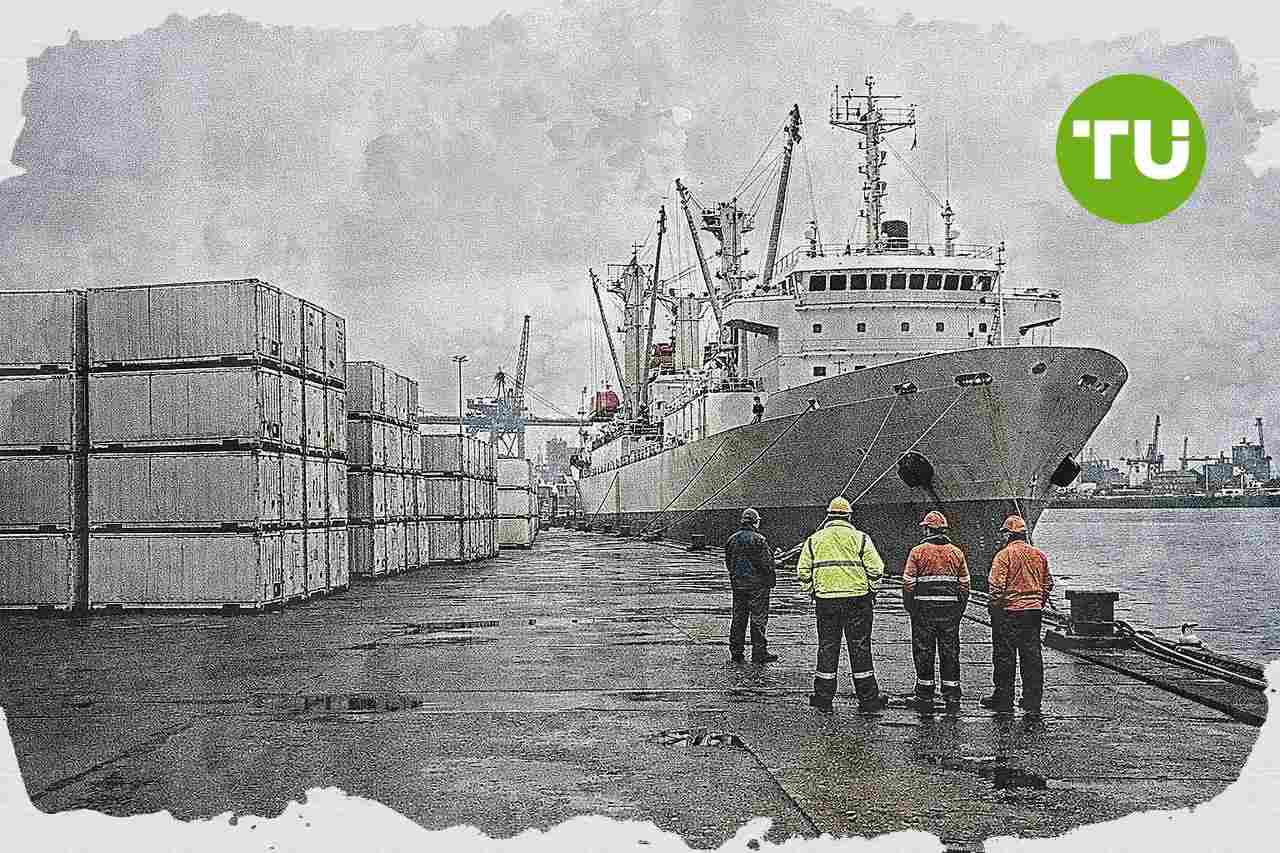
European seafood trade is facing continued disruption as the bloc delays tougher import controls for some foreign suppliers after shipments were held up at ports. The extension keeps a U.S. exemption in place until November 30 and highlights operational problems in the EU's new anti-illegal fishing traceability system.
Highlights
- EU extends U.S. fish import control exemption from July 10 to November 30 after cargo disruptions leave 16,000 tonnes of pollock and flatfish stranded off Dutch coast.
- The Catch traceability system, mandatory since January, creates prohibitive trade barriers for Alaskan seafood exporters, requiring thousands of data entries per shipment and risking $1 billion in U.S. wild seafood exports to the EU in 2025.
- An EU expert report highlights persistent technical flaws in the Catch platform—missing data standards and error codes—rendering full digital traceability across supply chains unworkable after six months of implementation.
Exemption extension after Dutch port delays
As first reported by Financial Times, the EU extends a U.S. exemption from new fish import controls after a vessel carrying Alaskan pollock spends days stranded off the Dutch coast when its paperwork is rejected. The exemption is due to expire on July 10 and is now prolonged until November 30 after Washington approaches the European Commission, according to people familiar with the matter.The issue follows a May incident in which the U.S. ambassador to the EU raises the problem with the Commission after a ship is unable to upload the traceability data required by the new system until U.S. officials intervene, allowing it to dock in IJmuiden. Another vessel is also stuck in port for several days, and the two ships carry a combined 16,000 tonnes of seafood, mainly pollock and flatfish.
A Commission spokesperson says the EU processing industry should work closely with U.S. suppliers of wild salmon and American lobster so they can provide the data required for imports in the same way as competitors in other non-EU countries. The EU currently recognises a U.S.-approved legal harvest certificate.
Canada, Norway, New Zealand, Iceland, the Faroe Islands and South Africa also receive an exemption until November 30, according to one of the people familiar with the matter.
Trade pressure and system weaknesses persist
The disruption risks adding to transatlantic trade tensions just a week after the EU implements tariff cuts under a deal reached last year to reduce Donald Trump's reciprocal tariffs. The U.S. sends more than $1 billion worth of wild seafood to the EU in 2025, including pollock, salmon and lobster, with pollock widely used as a substitute for endangered cod.Industry groups say the Catch traceability platform has become a significant barrier since it is introduced for most countries in January. Alaska's fishing industry says the system is creating a trade barrier equivalent to a ban on many Alaska seafood exports to the EU, adding that some shipments require several thousand data entries that impose prohibitive costs on exporters and importers.
The EU introduces the system to stop illegal catches entering the market, an issue that affects about a fifth of global seafood catches, or between 11 million and 26 million tonnes a year, according to the EU Illegal Unreported and Unregulated Fishing Coalition of NGOs. The bloc begins its crackdown in 2010 and has temporarily banned seafood from six countries as a result.
Since January, the Commission has to allow member states flexibility in implementation after cargoes pile up on quaysides and warnings emerge that shops could run out of stock. Katarina Sipic of Seafood Europe says the system is not sufficiently tested under real market conditions and remains not yet market-mature more than six months later.
An EU expert report published last month and seen by the Financial Times says the platform still faces technical difficulties, including missing data standards, validation rules and error codes. The report says that without those elements, Catch will depend on manual transcription and case-by-case interpretation, making digital traceability across the supply chain unworkable.
Our earlier article on the Gordie Howe International Bridge tracked how the long-delayed Ontario–Michigan crossing moved toward an opening date after renewed political friction. It outlined the Canada–U.S. agreement on toll governance and a revenue-linked economic development fund, while noting concerns that politics and competing commercial interests could influence the timing of a key trade corridor project.


Latest Trade Deals News







-
 Afghanistan
-
 Albania
-
 Algeria
-
 Angola
-
 Argentina
-
 Armenia
-
 Australia
-
 Austria
-
 Azerbaijan
-
 Bahamas
-
 Bahrain
-
 Bangladesh
-
 Belarus
-
 Belgium
-
 Bolivia
-
 Botswana
-
 Brazil
-
 Brunei
-
 Bulgaria
-
 Cambodia
-
 Cameroon
-
 Canada
-
 Chile
Chile
-
 China
China
-
 Colombia
-
 Congo
Congo
-
 Costa Rica
-
 Cote d'Ivoire
-
 Croatia
-
 Cuba
Cuba
-
 Cyprus
-
 Czechia
-
 DR Congo
-
 Denmark
-
 Dominican Republic
-
 Ecuador
-
 Egypt
Egypt
-
 El Salvador
-
 Estonia
-
 Eswatini
-
 Ethiopia
-
 Finland
-
 France
-
 Georgia
-
 Germany
-
 Ghana
Ghana
-
 Greece
-
 Haiti
Haiti
-
 Hong Kong
-
 Hungary
-
 India
India
-
 Indonesia
-
 Iran, Islamic republic
-
 Iraq
Iraq
-
 Ireland
-
 Israel
-
 Italy
Italy
-
 Jamaica
-
 Japan
Japan
-
 Jordan
-
 Kazakhstan
-
 Kenya
Kenya
-
 Korea
Korea
-
 Kuwait
-
 Kyrgyzstan
-
 Laos
Laos
-
 Latvia
-
 Lebanon
-
 Lesotho
-
 Libya
Libya
-
 Lithuania
-
 Luxembourg
-
 Madagascar
-
 Malaysia
-
 Malta
Malta
-
 Mauritius
-
 Mexico
-
 Moldova
-
 Mongolia
-
 Montenegro
-
 Morocco
-
 Mozambique
-
 Myanmar
-
 Namibia
-
 Nepal
Nepal
-
 Netherlands
-
 New Zealand
-
 Nigeria
-
 North Macedonia
-
 Norway
-
 Oman
Oman
-
 Pakistan
-
 Palestine
-
 Panama
-
 Papua New Guinea
-
 Paraguay
-
 Peru
Peru
-
 Philippines
-
 Poland
-
 Portugal
-
 Puerto Rico
-
 Qatar
Qatar
-
 Reunion
-
 Romania
-
 Rwanda
-
 Saudi Arabia
-
 Serbia
-
 Singapore
-
 Slovakia
-
 Slovenia
-
 Somalia
-
 South Africa
-
 Spain
Spain
-
 Sri Lanka
-
 Sweden
-
 Switzerland
-
 Syria
Syria
-
 Taiwan
-
 Tajikistan
-
 Tanzania
-
 Thailand
-
 Trinidad and Tobago
-
 Tunisia
-
 Turkey
-
 UAE
UAE
-
 Uganda
-
 Ukraine
-
 United Kingdom
-
United States
-
 Uruguay
-
 Uzbekistan
-
 Venezuela
-
 Vietnam
-
 Yemen
Yemen
-
 Zambia
-
 Zimbabwe
- Forex
- Crypto











