The tweet was deleted by the author.
But we saved everything 🙂.
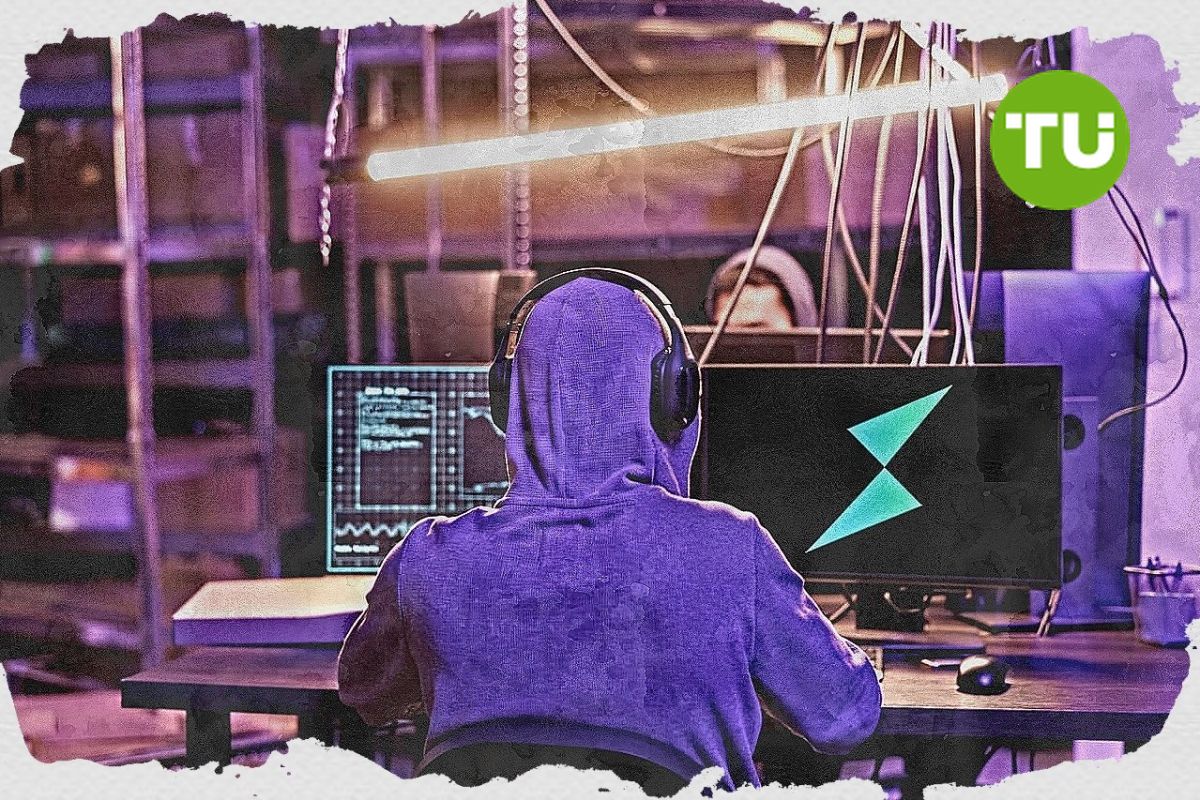
THORChain has resumed trading after more than five weeks of downtime. On Tuesday, the decentralized cross-chain liquidity protocol announced that it had restored operations, ending a pause triggered by a May exploit.
According to the team, transaction signing, liquidity provider actions, and swaps are available again.
THORChain positions itself as the world’s leading decentralized exchange for Bitcoin. The protocol allows users to swap native assets across different blockchains without wrapping tokens or using centralized intermediaries for bridging.
Trading on THORChain was paused on May 15 after blockchain investigator ZachXBT and security firm PeckShield reported a suspected exploit affecting Bitcoin, Ethereum, BNB Chain, and Base.
The vulnerability led to the withdrawal of approximately $10.7 million from one of the protocol’s Asgard vaults. The other five vaults were reportedly unaffected.
THORChain emphasized that security took priority over speed during the recovery process: before the restart, the team verified every vault and every keyshare. Node operators, developers, and the Maya Protocol team helped keep the network stable during the restart.
The protocol also said that native Monero swaps are already undergoing end-to-end testing, with a full launch expected later. Support for Zcash is planned next, along with dynamic fees and upgrades aimed at deepening liquidity.
Cross-chain protocols are needed so that different blockchains can interact with each other instead of remaining isolated within separate ecosystems. Today, liquidity, assets, and users are spread across many networks, including Bitcoin, Ethereum, BNB Chain, Base, and others. Without cross-chain infrastructure, transferring value between them often requires centralized exchanges, wrapped tokens, or separate bridges, adding extra steps, fees, and trust risks involving intermediaries.
Such protocols make it possible to swap native assets directly between networks and help make the crypto market more interconnected. For users, this means easier access to liquidity and different applications, while for the DeFi sector, it creates an opportunity to build services that are not limited to a single blockchain environment.
As a reminder, the second quarter of 2026 saw a record number of hacks targeting cryptocurrency websites.

 Afghanistan
 Albania
 Algeria
 Angola
 Argentina
 Armenia
 Australia
 Austria
 Azerbaijan
 Bahamas
 Bahrain
 Bangladesh
 Belarus
 Belgium
 Bolivia
 Botswana
 Brazil
 Brunei
 Bulgaria
 Cambodia
 Cameroon
 Canada
 Chile
Chile
 China
China
 Colombia
 Congo
Congo
 Costa Rica
 Cote d'Ivoire
 Croatia
 Cuba
Cuba
 Cyprus
 Czechia
 DR Congo
 Denmark
 Dominican Republic
 Ecuador
 Egypt
Egypt
 El Salvador
 Estonia
 Eswatini
 Ethiopia
 Finland
 France
 Georgia
 Germany
 Ghana
Ghana
 Greece
 Haiti
Haiti
 Hong Kong
 Hungary
 India
India
 Indonesia
 Iran, Islamic republic
 Iraq
Iraq
 Ireland
 Israel
 Italy
Italy
 Jamaica
 Japan
Japan
 Jordan
 Kazakhstan
 Kenya
Kenya
 Korea
Korea
 Kuwait
 Kyrgyzstan
 Laos
Laos
 Latvia
 Lebanon
 Lesotho
 Libya
Libya
 Lithuania
 Luxembourg
 Madagascar
 Malaysia
 Malta
Malta
 Mauritius
 Mexico
 Moldova
 Mongolia
 Montenegro
 Morocco
 Mozambique
 Myanmar
 Namibia
 Nepal
Nepal
 Netherlands
 New Zealand
 Nigeria
 North Macedonia
 Norway
 Oman
Oman
 Pakistan
 Palestine
 Panama
 Papua New Guinea
 Paraguay
 Peru
Peru
 Philippines
 Poland
 Portugal
 Puerto Rico
 Qatar
Qatar
 Reunion
 Romania
 Rwanda
 Saudi Arabia
 Serbia
 Singapore
 Slovakia
 Slovenia
 Somalia
 South Africa
 Spain
Spain
 Sri Lanka
 Sweden
 Switzerland
 Syria
Syria
 Taiwan
 Tajikistan
 Tanzania
 Thailand
 Trinidad and Tobago
 Tunisia
 Turkey
 UAE
UAE
 Uganda
 Ukraine
 United Kingdom
United States
United Kingdom
United States
 Uruguay
 Uzbekistan
 Venezuela
 Vietnam
 Yemen
Yemen
 Zambia
 Zimbabwe