
Record U.S. liquidity fails to lift Bitcoin
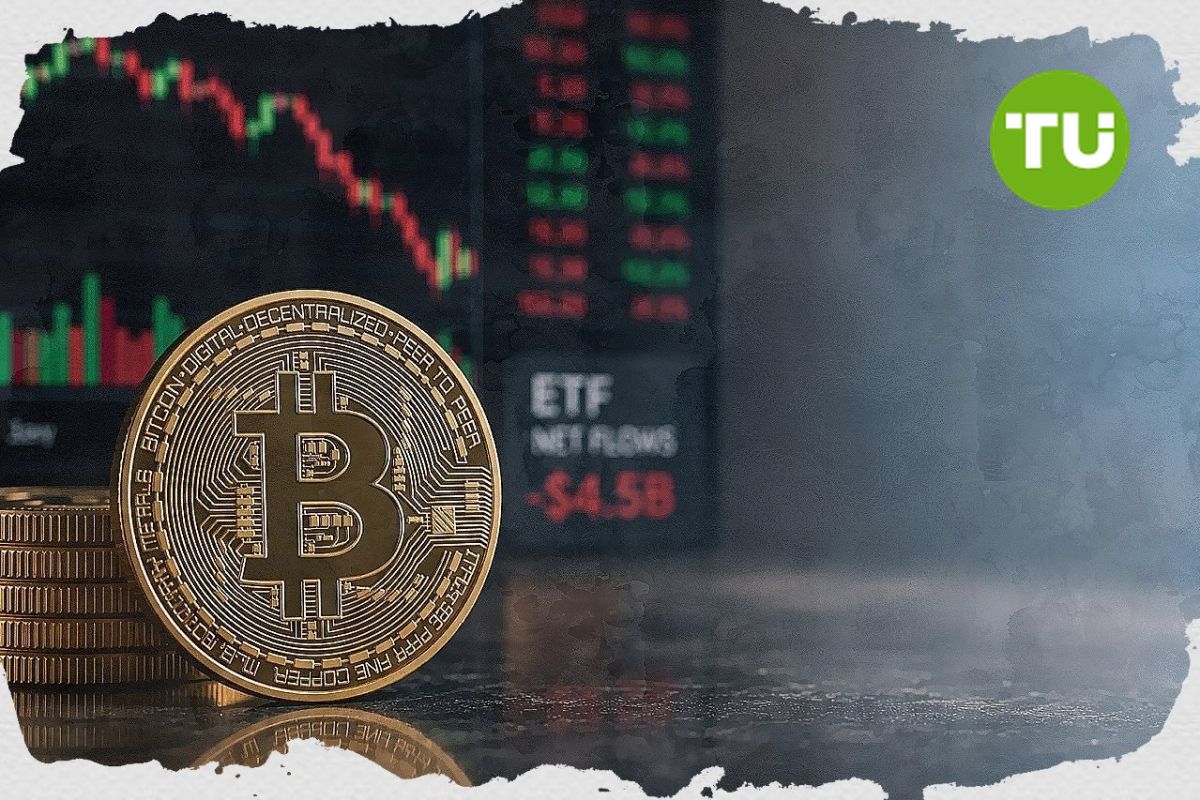
Bitcoin remains under pressure despite record growth in the U.S. money supply. While liquidity continues to expand, capital is flowing into equities rather than cryptocurrencies, leaving Bitcoin without the institutional support many investors had anticipated.
One of the most important recent macroeconomic developments was the continued expansion of the U.S. M2 money supply, which reached a new all-time high of $23.1 trillion in May. Historically, rising money supply has been a positive catalyst for risk assets, including Bitcoin.
However, instead of flowing into cryptocurrencies, investors have continued to increase their exposure to equities, particularly semiconductor stocks. As a result, Bitcoin has failed to benefit from the surge in market liquidity.
Another major headwind has been record outflows from spot Bitcoin ETFs. According to SoSoValue, June was the worst month on record for U.S. spot Bitcoin ETFs, with net outflows exceeding $4.5 billion, confirming the continued withdrawal of institutional capital from the cryptocurrency market.
At the same time, the first signs of accumulation are beginning to emerge. CryptoQuant reports that large holders have gradually resumed buying, accumulating more than 270,000 BTC around the $59,000 level. Current prices appear attractive for building long-term positions, but this buying activity is not yet sufficient to reverse the prevailing trend.

Bitcoin struggles below key resistance
From a technical perspective, Bitcoin remains weak. Although the asset recently set a new local low, whale accumulation has helped it stage a modest recovery.
The $59,000–61,000 zone remains a key resistance area, and BTC has so far been unable to establish a sustained move above it.
The medium-term downside target remains the $56,500–49,000 liquidity zone. A large concentration of liquidity is located within this range, and once Bitcoin approaches $56,500, the decline could accelerate significantly.
Meanwhile, the RSI (14) is forming a bullish divergence. However, this signal has historically played out with a considerable time lag, meaning the downside risk remains intact.
Capital rotation keeps Bitcoin under pressure
The biggest obstacle to Bitcoin's recovery remains the ongoing rotation of capital into semiconductor stocks, which have just delivered their strongest quarter on record.
Until institutional investors return to the cryptocurrency market in a meaningful way, it is too early to call for a trend reversal.
Large holders have begun gradually building long-term positions, but current accumulation remains insufficient to drive a sustained recovery.












-
 Afghanistan
-
 Albania
-
 Algeria
-
 Angola
-
 Argentina
-
 Armenia
-
 Australia
-
 Austria
-
 Azerbaijan
-
 Bahamas
-
 Bahrain
-
 Bangladesh
-
 Belarus
-
 Belgium
-
 Bolivia
-
 Botswana
-
 Brazil
-
 Brunei
-
 Bulgaria
-
 Cambodia
-
 Cameroon
-
 Canada
-
 Chile
Chile
-
 China
China
-
 Colombia
-
 Congo
Congo
-
 Costa Rica
-
 Cote d'Ivoire
-
 Croatia
-
 Cuba
Cuba
-
 Cyprus
-
 Czechia
-
 DR Congo
-
 Denmark
-
 Dominican Republic
-
 Ecuador
-
 Egypt
Egypt
-
 El Salvador
-
 Estonia
-
 Eswatini
-
 Ethiopia
-
 Finland
-
 France
-
 Georgia
-
 Germany
-
 Ghana
Ghana
-
 Greece
-
 Haiti
Haiti
-
 Hong Kong
-
 Hungary
-
 India
India
-
 Indonesia
-
 Iran, Islamic republic
-
 Iraq
Iraq
-
 Ireland
-
 Israel
-
 Italy
Italy
-
 Jamaica
-
 Japan
Japan
-
 Jordan
-
 Kazakhstan
-
 Kenya
Kenya
-
 Korea
Korea
-
 Kuwait
-
 Kyrgyzstan
-
 Laos
Laos
-
 Latvia
-
 Lebanon
-
 Lesotho
-
 Libya
Libya
-
 Lithuania
-
 Luxembourg
-
 Madagascar
-
 Malaysia
-
 Malta
Malta
-
 Mauritius
-
 Mexico
-
 Moldova
-
 Mongolia
-
 Montenegro
-
 Morocco
-
 Mozambique
-
 Myanmar
-
 Namibia
-
 Nepal
Nepal
-
 Netherlands
-
 New Zealand
-
 Nigeria
-
 North Macedonia
-
 Norway
-
 Oman
Oman
-
 Pakistan
-
 Palestine
-
 Panama
-
 Papua New Guinea
-
 Paraguay
-
 Peru
Peru
-
 Philippines
-
 Poland
-
 Portugal
-
 Puerto Rico
-
 Qatar
Qatar
-
 Reunion
-
 Romania
-
 Rwanda
-
 Saudi Arabia
-
 Serbia
-
 Singapore
-
 Slovakia
-
 Slovenia
-
 Somalia
-
 South Africa
-
 Spain
Spain
-
 Sri Lanka
-
 Sweden
-
 Switzerland
-
 Syria
Syria
-
 Taiwan
-
 Tajikistan
-
 Tanzania
-
 Thailand
-
 Trinidad and Tobago
-
 Tunisia
-
 Turkey
-
 UAE
UAE
-
 Uganda
-
 Ukraine
-
 United Kingdom
-
United States
-
 Uruguay
-
 Uzbekistan
-
 Venezuela
-
 Vietnam
-
 Yemen
Yemen
-
 Zambia
-
 Zimbabwe
- Forex
- Crypto











