

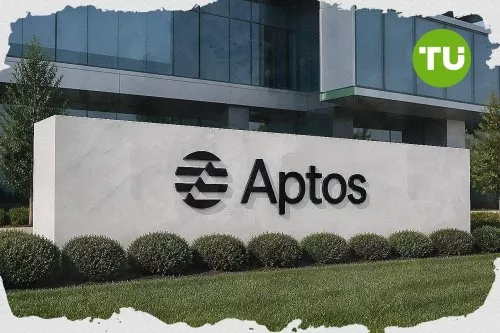
Aptos launches encrypted mempool to curb MEV attacks on mainnet

As competition among blockchains increasingly centers on execution quality and trader protection, Aptos is introducing a mainnet feature designed to limit the visibility of pending transactions. The optional system targets frontrunning and sandwich attacks, while adding higher gas costs and a slight processing delay for users who choose it.
Highlights
- Aptos launched its Encrypted Mempool on mainnet, enabling users to encrypt pending transactions until order finalization to deter MEV attacks.
- Encrypted transactions on Aptos require a minimum gas price double the network base and increase block consensus time by approximately 20 milliseconds in 50-node tests.
- MEV attacks remain costly across blockchains, with sandwich attacks costing Ethereum traders $60 million through October 2025 and bots gaining $29.7 million on Solana in 11 months.
Mainnet rollout and transaction process
As reported by Cointelegraph, Layer-1 blockchain Aptos says its Encrypted Mempool feature is now live on mainnet, letting users opt in to keep pending transactions encrypted until their ordering in a block is finalized. Aptos says the tool is built for institutions submitting large trades, market participants seeking to reduce maximal extractable value, or MEV, risk, as well as AI agents and builders.A compatible wallet or application encrypts a transaction on the user’s device before it is sent to the network. While the sender’s address and gas fee remain visible, details including the assets, amounts and contract interactions stay hidden as the transaction enters the mempool.
Validators then agree on transaction ordering without seeing the underlying contents. Once that ordering is fixed, validators collectively decrypt the transactions for execution and onchain recording, and no single validator can decrypt a pending transaction by itself.
Costs, performance trade-offs and broader market context
By keeping transaction details hidden until sequencing is complete, the feature is intended to stop bots from detecting pending orders and placing trades before or around them at a user’s expense. Aptos says that transparency on most major chains allows observers to view transaction details before execution, creating opportunities for strategy copying and adverse trading.The added protection comes with trade-offs. According to Aptos developer documentation, encrypted transactions carry a minimum gas price set at twice the network’s base minimum, and Aptos says tests involving 50 nodes show the system adds about 20 milliseconds per block versus the current consensus implementation.
Aptos is joining other networks that are offering tools against harmful MEV activity. Gnosis Chain launched an encrypted mempool using Shutter in July 2024, while Ethereum’s Flashbots Protect privately routes transactions to block builders. Aptos says its approach differs because its existing validators handle both ordering and decryption, rather than depending on a separate decryption committee or trusted builders.
MEV-related attacks continue to represent a measurable cost across the sector. Cointelegraph’s analysis of EigenPhi data shows sandwich attacks cost Ethereum traders about $60 million in the 12 months through October 2025, while Bitquery found such attacks generated $29.7 million for bots on Solana over an 11-month period, affecting about 2.2 million wallets across nearly 6.9 million attacks.
Our previous report on the Altura frozen-funds dispute detailed how a crypto yield platform’s withdrawal halt escalated into lawsuits, a Worldwide Freezing Order and calls for affected users to file fraud complaints in the UK. The case underscored that even products marketed as insured and well-backed can break down after a liquidity shock and poor communication, leaving customers unable to access funds and highlighting broader counterparty and governance risks in crypto.









-
 Afghanistan
-
 Albania
-
 Algeria
-
 Angola
-
 Argentina
-
 Armenia
-
 Australia
-
 Austria
-
 Azerbaijan
-
 Bahamas
-
 Bahrain
-
 Bangladesh
-
 Belarus
-
 Belgium
-
 Bolivia
-
 Botswana
-
 Brazil
-
 Brunei
-
 Bulgaria
-
 Cambodia
-
 Cameroon
-
 Canada
-
 Chile
Chile
-
 China
China
-
 Colombia
-
 Congo
Congo
-
 Costa Rica
-
 Cote d'Ivoire
-
 Croatia
-
 Cuba
Cuba
-
 Cyprus
-
 Czechia
-
 DR Congo
-
 Denmark
-
 Dominican Republic
-
 Ecuador
-
 Egypt
Egypt
-
 El Salvador
-
 Estonia
-
 Eswatini
-
 Ethiopia
-
 Finland
-
 France
-
 Georgia
-
 Germany
-
 Ghana
Ghana
-
 Greece
-
 Haiti
Haiti
-
 Hong Kong
-
 Hungary
-
 India
India
-
 Indonesia
-
 Iran, Islamic republic
-
 Iraq
Iraq
-
 Ireland
-
 Israel
-
 Italy
Italy
-
 Jamaica
-
 Japan
Japan
-
 Jordan
-
 Kazakhstan
-
 Kenya
Kenya
-
 Korea
Korea
-
 Kuwait
-
 Kyrgyzstan
-
 Laos
Laos
-
 Latvia
-
 Lebanon
-
 Lesotho
-
 Libya
Libya
-
 Lithuania
-
 Luxembourg
-
 Madagascar
-
 Malaysia
-
 Malta
Malta
-
 Mauritius
-
 Mexico
-
 Moldova
-
 Mongolia
-
 Montenegro
-
 Morocco
-
 Mozambique
-
 Myanmar
-
 Namibia
-
 Nepal
Nepal
-
 Netherlands
-
 New Zealand
-
 Nigeria
-
 North Macedonia
-
 Norway
-
 Oman
Oman
-
 Pakistan
-
 Palestine
-
 Panama
-
 Papua New Guinea
-
 Paraguay
-
 Peru
Peru
-
 Philippines
-
 Poland
-
 Portugal
-
 Puerto Rico
-
 Qatar
Qatar
-
 Reunion
-
 Romania
-
 Rwanda
-
 Saudi Arabia
-
 Serbia
-
 Singapore
-
 Slovakia
-
 Slovenia
-
 Somalia
-
 South Africa
-
 Spain
Spain
-
 Sri Lanka
-
 Sweden
-
 Switzerland
-
 Syria
Syria
-
 Taiwan
-
 Tajikistan
-
 Tanzania
-
 Thailand
-
 Trinidad and Tobago
-
 Tunisia
-
 Turkey
-
 UAE
UAE
-
 Uganda
-
 Ukraine
-
 United Kingdom
-
United States
-
 Uruguay
-
 Uzbekistan
-
 Venezuela
-
 Vietnam
-
 Yemen
Yemen
-
 Zambia
-
 Zimbabwe
- Forex
- Crypto












