


Polygon Labs is expanding its Open Money Stack to the TRON network, broadening access for fintechs and remittance providers that move U.S. dollar stablecoins. The integration lets businesses connect TRON-based USDT flows with U.S. bank accounts and supported EVM networks through a single setup with licensing, wallets and routing handled in the background.
Highlights
- Polygon Labs integrated TRON's USDT economy, over $94 billion in circulating USDT and $30 trillion in transfer volume, with Open Money Stack for regulated payments.
- Businesses can fund, manage, and route USDT between TRON and supported EVM networks—including Polygon Chain—through a single transaction flow using regulated on- and off-ramps.
- The expansion builds on Polygon's pending acquisition of Coinme and acquisition of Sequence, combining U.S. licensed fiat access with enterprise wallet and cross-chain infrastructure.
TRON integration broadens regulated payment access
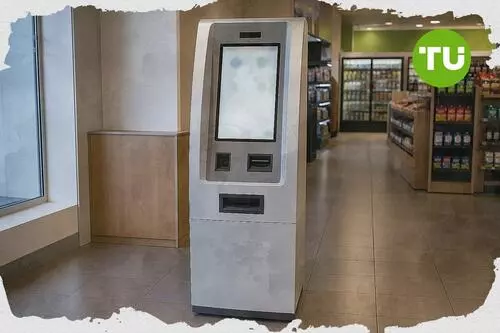
As reported by The Block, citing Polygon Labs, the new support links Open Money Stack with TRON's USDT economy, which the company says includes more than $94 billion in circulating USDT and over $30 trillion in total transfer volume. The move is aimed at businesses that have typically needed to piece together licensing, sponsor banks, wallet providers and cross-chain routing before moving funds between bank rails and blockchain networks.Under the setup, dollars can enter through regulated on-ramps by bank transfer, debit card or cash at a retail counter, move into virtual accounts that hold real balances, and settle onchain based on rules set by the business. The same integration can then route funds across supported blockchains and enable payouts through supported payment rails.
Polygon says the expansion extends three parts of the stack to TRON, regulated dollar access, programmable accounts and cross-chain movement. That means businesses can create and manage TRON wallets through the same integration, and route USDT between TRON and supported EVM networks such as Polygon Chain in a single transaction flow.
Remittance and payments use cases come into focus
For remittance providers, the integration is designed to let a customer fund a payment in dollars and send USDT to a recipient's TRON wallet without adding separate ramp, wallet and routing vendors. The reverse flow is also supported, allowing users to move USDT from TRON and cash out through a bank account.Polygon said marketplaces and payment apps can also use the infrastructure to accept USDT on TRON, hold funds in programmable accounts and settle with sellers through an EVM network or a bank account. The company added that the stack was assembled through its pending acquisition of Coinme and acquisition of Sequence, combining licensed U.S. fiat access with enterprise wallet infrastructure and cross-chain orchestration.
Marc Boiron, CEO of Polygon Labs, said the addition of TRON brings one of the deepest pools of USDT liquidity into the same integration so businesses can move those dollars onto U.S. banking rails or across chains. Justin Sun, founder of TRON, said the connection should make it easier for businesses to build payment products that bridge onchain liquidity with traditional financial rails. Polygon said this is the first phase of TRON support, with additional assets, markets and payment capabilities expected over time.
Our earlier article on SEON’s expansion in the Philippines covered how the fraud-prevention provider is targeting banks, remittance firms and payments businesses as digital finance growth and stricter anti-scam compliance increase demand for risk controls. It also highlighted SEON’s partnership with Exist Software Labs to leverage local market data and relationships, positioning the company to support remittance-focused use cases where providers have often underestimated fraud losses.





Latest Polygon News



-
 Afghanistan
-
 Albania
-
 Algeria
-
 Angola
-
 Argentina
-
 Armenia
-
 Australia
-
 Austria
-
 Azerbaijan
-
 Bahamas
-
 Bahrain
-
 Bangladesh
-
 Belarus
-
 Belgium
-
 Bolivia
-
 Botswana
-
 Brazil
-
 Brunei
-
 Bulgaria
-
 Cambodia
-
 Cameroon
-
 Canada
-
 Chile
Chile
-
 China
China
-
 Colombia
-
 Congo
Congo
-
 Costa Rica
-
 Cote d'Ivoire
-
 Croatia
-
 Cuba
Cuba
-
 Cyprus
-
 Czechia
-
 DR Congo
-
 Denmark
-
 Dominican Republic
-
 Ecuador
-
 Egypt
Egypt
-
 El Salvador
-
 Estonia
-
 Eswatini
-
 Ethiopia
-
 Finland
-
 France
-
 Georgia
-
 Germany
-
 Ghana
Ghana
-
 Greece
-
 Haiti
Haiti
-
 Hong Kong
-
 Hungary
-
 India
India
-
 Indonesia
-
 Iran, Islamic republic
-
 Iraq
Iraq
-
 Ireland
-
 Israel
-
 Italy
Italy
-
 Jamaica
-
 Japan
Japan
-
 Jordan
-
 Kazakhstan
-
 Kenya
Kenya
-
 Korea
Korea
-
 Kuwait
-
 Kyrgyzstan
-
 Laos
Laos
-
 Latvia
-
 Lebanon
-
 Lesotho
-
 Libya
Libya
-
 Lithuania
-
 Luxembourg
-
 Madagascar
-
 Malaysia
-
 Malta
Malta
-
 Mauritius
-
 Mexico
-
 Moldova
-
 Mongolia
-
 Montenegro
-
 Morocco
-
 Mozambique
-
 Myanmar
-
 Namibia
-
 Nepal
Nepal
-
 Netherlands
-
 New Zealand
-
 Nigeria
-
 North Macedonia
-
 Norway
-
 Oman
Oman
-
 Pakistan
-
 Palestine
-
 Panama
-
 Papua New Guinea
-
 Paraguay
-
 Peru
Peru
-
 Philippines
-
 Poland
-
 Portugal
-
 Puerto Rico
-
 Qatar
Qatar
-
 Reunion
-
 Romania
-
 Rwanda
-
 Saudi Arabia
-
 Serbia
-
 Singapore
-
 Slovakia
-
 Slovenia
-
 Somalia
-
 South Africa
-
 Spain
Spain
-
 Sri Lanka
-
 Sweden
-
 Switzerland
-
 Syria
Syria
-
 Taiwan
-
 Tajikistan
-
 Tanzania
-
 Thailand
-
 Trinidad and Tobago
-
 Tunisia
-
 Turkey
-
 UAE
UAE
-
 Uganda
-
 Ukraine
-
 United Kingdom
-
United States
-
 Uruguay
-
 Uzbekistan
-
 Venezuela
-
 Vietnam
-
 Yemen
Yemen
-
 Zambia
-
 Zimbabwe
- Forex
- Crypto












