

Malaysia Maintains Adequate Food Supplies, No Need for Emergency Measures

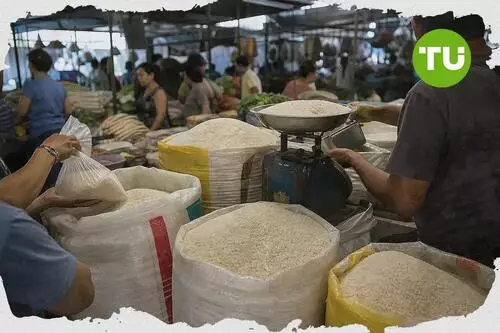
Malaysia says its food supply capacity is sufficient for at least six months as several countries step up preparedness advice for disruptions to essential supplies. The government has also stressed that there is no need for emergency stockpiling measures because the country is not in a state of emergency.
Highlights
- The Malaysian government is ensuring that food and essential goods supplies remain sufficient for at least six months, with no need for emergency measures.
- Deputy Prime Minister Ahmad Zahid Hamidi said there is currently no unusual situation requiring Malaysians to stockpile excessive amounts of basic supplies.
- Although 33 countries, including France and the UK, have tightened their preparedness guidelines, Malaysia is opting for ongoing stockpile monitoring without introducing new emergency measures.
This article was translated from the original. Read the original version by our correspondent here.
Government statement on supplies and preparedness
As reported by The Edge Malaysia, Deputy Prime Minister Datuk Seri Dr Ahmad Zahid Hamidi said the government continues to ensure national food security and adequate supplies of essential goods for Malaysians and other residents in the country. He said current food security levels and stockpiles allow the country to maintain supplies for at least six months.Ahmad Zahid said Malaysia sees no need to introduce emergency stockpiling measures at this time. He added that the country is not facing a situation that would require the public to stock up on basic supplies on an extraordinary scale.
He told reporters this after attending the Malaysia-China Cooperation Meeting on Investment, Trade and Economic Empowerment in Kuala Lumpur on Monday.
Global context and implications for Malaysia
The statement came in response to reports that several countries had advised their citizens to stock up on food and essential supplies in preparation for possible emergencies. Ahmad Zahid stressed that Malaysia was far from facing such a situation.At least 33 countries were previously reported to have issued preparedness guidelines encouraging people to stock up on food, drinking water and other necessities. According to international media reports, the advice was prompted by various global threats, including armed conflicts, extreme weather, power supply disruptions and cyberattacks.
Among the countries stepping up preparedness campaigns are France and the UK, which have advised households to maintain at least 72 hours, or three days, of essential supplies. In Malaysia, the government's position indicates that the focus remains on monitoring stockpiles and ensuring continuity of supply, without introducing new emergency measures.
In our earlier coverage of MARC Ratings' warning following the Budget 2027, we highlighted the need for Malaysia to strengthen its fiscal buffers against global shocks such as geopolitical tensions, pandemics and climate shocks. The article also outlined how a prolonged period of high interest rates and bond yields, combined with substantial spending commitments, could constrain policy space, making measures such as broadening the tax base and improving targeted subsidies necessary to preserve flexibility during crises.






Latest Food Industry News


-
 Afghanistan
-
 Albania
-
 Algeria
-
 Angola
-
 Argentina
-
 Armenia
-
 Australia
-
 Austria
-
 Azerbaijan
-
 Bahamas
-
 Bahrain
-
 Bangladesh
-
 Belarus
-
 Belgium
-
 Bolivia
-
 Botswana
-
 Brazil
-
 Brunei
-
 Bulgaria
-
 Cambodia
-
 Cameroon
-
 Canada
-
 Chile
-
 China
-
 Colombia
-
 Congo
-
 Costa Rica
-
 Cote d'Ivoire
-
 Croatia
-
 Cuba
-
 Cyprus
-
 Czechia
-
 DR Congo
-
 Denmark
-
 Dominican Republic
-
 Ecuador
-
 Egypt
-
 El Salvador
-
 Estonia
-
 Eswatini
-
 Ethiopia
-
 Finland
-
 France
-
 Georgia
-
 Germany
-
 Ghana
-
 Greece
-
 Haiti
-
 Hong Kong
-
 Hungary
-
 India
-
 Indonesia
-
 Iran, Islamic republic
-
 Iraq
-
 Ireland
-
 Israel
-
 Italy
-
 Jamaica
-
 Japan
-
 Jordan
-
 Kazakhstan
-
 Kenya
-
 Korea
-
 Kuwait
-
 Kyrgyzstan
-
 Laos
-
 Latvia
-
 Lebanon
-
 Lesotho
-
 Libya
-
 Lithuania
-
 Luxembourg
-
 Madagascar
-
 Malaysia
-
 Malta
-
 Mauritius
-
 Mexico
-
 Moldova
-
 Mongolia
-
 Montenegro
-
 Morocco
-
 Mozambique
-
 Myanmar
-
 Namibia
-
 Nepal
-
 Netherlands
-
 New Zealand
-
 Nigeria
-
 North Macedonia
-
 Norway
-
 Oman
-
 Pakistan
-
 Palestine
-
 Panama
-
 Papua New Guinea
-
 Paraguay
-
 Peru
-
 Philippines
-
 Poland
-
 Portugal
-
 Puerto Rico
-
 Qatar
-
 Reunion
-
 Romania
-
 Rwanda
-
 Saudi Arabia
-
 Serbia
-
 Singapore
-
 Slovakia
-
 Slovenia
-
 Somalia
-
 South Africa
-
 Spain
-
 Sri Lanka
-
 Sweden
-
 Switzerland
-
 Syria
-
 Taiwan
-
 Tajikistan
-
 Tanzania
-
 Thailand
-
 Trinidad and Tobago
-
 Tunisia
-
 Turkey
-
 UAE
-
 Uganda
-
 Ukraine
-
 United Kingdom
-
United States
-
 Uruguay
-
 Uzbekistan
-
 Venezuela
-
 Vietnam
-
 Yemen
-
 Zambia
-
 Zimbabwe
- Forex
- Crypto












