

Philippines cost-of-living pressures test opposition's ability to convert discontent into political change

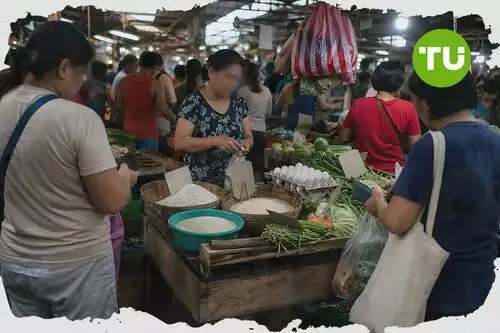
Rising consumer prices in the Philippines are deepening public frustration, but analysts say inflation alone is unlikely to reshape the political landscape. They say broader political change still depends on whether opposition groups can build a credible platform and stronger coalitions around economic grievances.
Highlights
- Philippine inflation surged to 7.8% in October, a four-year high, with housing and utilities inflation hitting 9.3%, intensifying cost-of-living strains.
- Analysts note political and economic barriers, such as entrenched dynasties and patronage, limit the opposition's ability to convert discontent into significant electoral change.
- Experts argue the opposition must challenge structural policies—low wages, import dependence, weak agriculture—to offer a credible alternative addressing persistent poverty and rising inequality.
Inflation strains households and sharpens political debate
As reported by BusinessWorld Online, analysts say worsening living costs are creating conditions for broader dissatisfaction with the government, even if that pressure does not automatically translate into electoral or political change.Former Akbayan Party-list Rep. Walden F. Bello said many Filipinos are facing rising uncertainty as the prices of basic goods continue to climb. He said households are becoming more focused on day-to-day survival as purchasing power erodes, and added that demands for change could gain traction if intolerable price increases persist.
Philippine inflation accelerated to 7.8% in October, the highest in four years, while inflation for housing, water, electricity, gas and other fuels reached 9.3%. Bello said legislative efforts to address higher prices are likely to have limited impact because the Executive branch remains focused on cash assistance, while many Filipinos want broader measures that tackle the root causes of rising living costs.
Opposition strategy seen as decisive factor
Jose Enrique "Sonny" A. Africa, executive director of IBON Foundation, said severe economic conditions do not automatically lead to public mobilization or electoral reform. He said political dynasties, patronage networks, weak political parties and the influence of large business interests continue to shape election outcomes and blunt opposition efforts.Africa said opposition groups need to move beyond criticizing corruption or economic mismanagement and explain why poverty and inequality persist despite decades of economic reforms. He argued that a credible alternative requires challenging policies linked to low wages, import dependence, weak agriculture, limited industrial development and wealth concentration.
The analysts also pointed to international experience as a caution rather than a guarantee of change. Africa said Democratic gains in recent U.S. midterm elections reflected frustration over living costs, but he added that previous Democratic administrations also backed policies that widened inequality; Bello said competing Philippine political groups, including supporters of Vice-President Sara Duterte-Carpio, could also capitalize on public dissatisfaction unless the opposition works together on more interventionist programs addressing inflation, wages and living costs.
Our earlier coverage of planned Philippine sovereign bond reforms explained how a new pricing convention and expected index inclusion could broaden the investor base and improve liquidity, but would not automatically deliver stronger investment or productivity growth. We noted that outcomes still depend on fiscal credibility, global rates, and whether any borrowing-cost gains translate into effective public spending and broader structural reforms that lower costs and deepen domestic capital markets.






Latest Philippines News




-
 Afghanistan
-
 Albania
-
 Algeria
-
 Angola
-
 Argentina
-
 Armenia
-
 Australia
-
 Austria
-
 Azerbaijan
-
 Bahamas
-
 Bahrain
-
 Bangladesh
-
 Belarus
-
 Belgium
-
 Bolivia
-
 Botswana
-
 Brazil
-
 Brunei
-
 Bulgaria
-
 Cambodia
-
 Cameroon
-
 Canada
-
 Chile
-
 China
-
 Colombia
-
 Congo
-
 Costa Rica
-
 Cote d'Ivoire
-
 Croatia
-
 Cuba
-
 Cyprus
-
 Czechia
-
 DR Congo
-
 Denmark
-
 Dominican Republic
-
 Ecuador
-
 Egypt
-
 El Salvador
-
 Estonia
-
 Eswatini
-
 Ethiopia
-
 Finland
-
 France
-
 Georgia
-
 Germany
-
 Ghana
-
 Greece
-
 Haiti
-
 Hong Kong
-
 Hungary
-
 India
-
 Indonesia
-
 Iran, Islamic republic
-
 Iraq
-
 Ireland
-
 Israel
-
 Italy
-
 Jamaica
-
 Japan
-
 Jordan
-
 Kazakhstan
-
 Kenya
-
 Korea
-
 Kuwait
-
 Kyrgyzstan
-
 Laos
-
 Latvia
-
 Lebanon
-
 Lesotho
-
 Libya
-
 Lithuania
-
 Luxembourg
-
 Madagascar
-
 Malaysia
-
 Malta
-
 Mauritius
-
 Mexico
-
 Moldova
-
 Mongolia
-
 Montenegro
-
 Morocco
-
 Mozambique
-
 Myanmar
-
 Namibia
-
 Nepal
-
 Netherlands
-
 New Zealand
-
 Nigeria
-
 North Macedonia
-
 Norway
-
 Oman
-
 Pakistan
-
 Palestine
-
 Panama
-
 Papua New Guinea
-
 Paraguay
-
 Peru
-
 Philippines
-
 Poland
-
 Portugal
-
 Puerto Rico
-
 Qatar
-
 Reunion
-
 Romania
-
 Rwanda
-
 Saudi Arabia
-
 Serbia
-
 Singapore
-
 Slovakia
-
 Slovenia
-
 Somalia
-
 South Africa
-
 Spain
-
 Sri Lanka
-
 Sweden
-
 Switzerland
-
 Syria
-
 Taiwan
-
 Tajikistan
-
 Tanzania
-
 Thailand
-
 Trinidad and Tobago
-
 Tunisia
-
 Turkey
-
 UAE
-
 Uganda
-
 Ukraine
-
 United Kingdom
-
United States
-
 Uruguay
-
 Uzbekistan
-
 Venezuela
-
 Vietnam
-
 Yemen
-
 Zambia
-
 Zimbabwe
- Forex
- Crypto












