

U.S. mortgage rates rise, slowing housing demand recovery

Higher borrowing costs are interrupting an early rebound in U.S. home-purchase activity and adding pressure to a housing market that already faces weak affordability. The latest increase pushes 30-year mortgage rates to 7.35%, leaving financing costs nearly a full percentage point above year-ago levels.
Highlights
- Mortgage Bankers Association reports the 30-year fixed mortgage rate rose 14 basis points to 7.35% for the week ended Nov. 13, ending a five-week decline.
- Mortgage rates are now nearly one percentage point higher than a year ago, squeezing affordability and curbing durability of any rebound in home-purchase applications.
- Higher rates continue to pressure the U.S. housing outlook, with sales activity remaining volatile and broader market recovery likely uneven while borrowing costs stay elevated.
Mortgage rate increase ends five-week decline
As reported by Bloomberg, citing the Mortgage Bankers Association, the contract rate on a 30-year fixed mortgage climbs 14 basis points to 7.35% in the week ended Nov. 13. The rise breaks a five-week run of declines that had supported a modest pickup in home-purchase applications.The change marks a reversal in financing conditions for prospective buyers, with mortgage costs now standing close to a full percentage point higher than a year earlier. That shift is limiting the durability of any recovery in purchase demand as households continue to face strained affordability.
Housing outlook remains under pressure
The higher rate environment is clouding the near-term outlook for the U.S. housing sector, where elevated borrowing costs remain a central constraint on sales activity. Even a brief improvement in buyer interest is vulnerable when mortgage rates move higher again.For lenders, builders and housing-related businesses, the latest data underscores how sensitive purchase activity remains to weekly rate changes. The move suggests that any broader recovery in the market is still likely to be uneven while financing costs stay elevated.
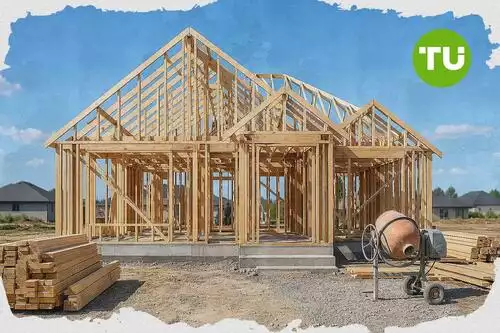
This adds to earlier discussion around single-family housing starts, where rising construction contrasted with a slump in permits amid high borrowing costs.






Latest Mortgage News



-
 Afghanistan
-
 Albania
-
 Algeria
-
 Angola
-
 Argentina
-
 Armenia
-
 Australia
-
 Austria
-
 Azerbaijan
-
 Bahamas
-
 Bahrain
-
 Bangladesh
-
 Belarus
-
 Belgium
-
 Bolivia
-
 Botswana
-
 Brazil
-
 Brunei
-
 Bulgaria
-
 Cambodia
-
 Cameroon
-
 Canada
-
 Chile
-
 China
-
 Colombia
-
 Congo
-
 Costa Rica
-
 Cote d'Ivoire
-
 Croatia
-
 Cuba
-
 Cyprus
-
 Czechia
-
 DR Congo
-
 Denmark
-
 Dominican Republic
-
 Ecuador
-
 Egypt
-
 El Salvador
-
 Estonia
-
 Eswatini
-
 Ethiopia
-
 Finland
-
 France
-
 Georgia
-
 Germany
-
 Ghana
-
 Greece
-
 Haiti
-
 Hong Kong
-
 Hungary
-
 India
-
 Indonesia
-
 Iran, Islamic republic
-
 Iraq
-
 Ireland
-
 Israel
-
 Italy
-
 Jamaica
-
 Japan
-
 Jordan
-
 Kazakhstan
-
 Kenya
-
 Korea
-
 Kuwait
-
 Kyrgyzstan
-
 Laos
-
 Latvia
-
 Lebanon
-
 Lesotho
-
 Libya
-
 Lithuania
-
 Luxembourg
-
 Madagascar
-
 Malaysia
-
 Malta
-
 Mauritius
-
 Mexico
-
 Moldova
-
 Mongolia
-
 Montenegro
-
 Morocco
-
 Mozambique
-
 Myanmar
-
 Namibia
-
 Nepal
-
 Netherlands
-
 New Zealand
-
 Nigeria
-
 North Macedonia
-
 Norway
-
 Oman
-
 Pakistan
-
 Palestine
-
 Panama
-
 Papua New Guinea
-
 Paraguay
-
 Peru
-
 Philippines
-
 Poland
-
 Portugal
-
 Puerto Rico
-
 Qatar
-
 Reunion
-
 Romania
-
 Rwanda
-
 Saudi Arabia
-
 Serbia
-
 Singapore
-
 Slovakia
-
 Slovenia
-
 Somalia
-
 South Africa
-
 Spain
-
 Sri Lanka
-
 Sweden
-
 Switzerland
-
 Syria
-
 Taiwan
-
 Tajikistan
-
 Tanzania
-
 Thailand
-
 Trinidad and Tobago
-
 Tunisia
-
 Turkey
-
 UAE
-
 Uganda
-
 Ukraine
-
 United Kingdom
-
United States
-
 Uruguay
-
 Uzbekistan
-
 Venezuela
-
 Vietnam
-
 Yemen
-
 Zambia
-
 Zimbabwe
- Forex
- Crypto












