


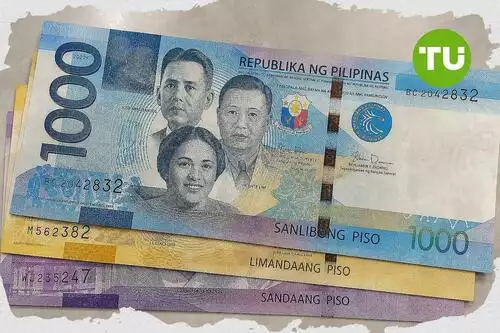
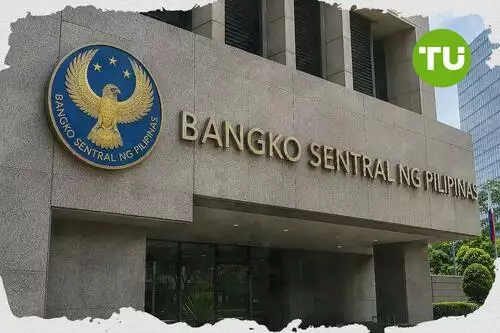
Weaker demand emerges at the Bangko Sentral ng Pilipinas' latest term deposit auction as improving risk sentiment and lower oil prices temper yield pressure. The seven-day facility draws bids below the offered amount, marking the first decline in the average accepted yield in six weeks.
Highlights
- BSP's seven-day term deposit auction on Wednesday attracts P63.285 billion in bids versus P80 billion on offer, with weighted average yield slipping 0.17 basis point to 5.5783%.
- Weaker auction demand lowers the bid-to-cover ratio to 0.7911 times, with yields easing amid declining global oil prices and improved geopolitical sentiment.
- Bureau of the Treasury raises $1.26 billion in retail dollar bonds from Nov. 19–24, influencing market liquidity and reinforcing the rationale for BSP's single-tenor TDF approach.
Auction results and market drivers
As reported by BusinessWorld Online, the BSP's seven-day term deposit facility attracts P63.285 billion in bids on Wednesday, below the P80 billion on offer and the P86.77 billion tendered for the same volume in the previous auction.This brings the bid-to-cover ratio to 0.7911 times, down from 1.0846 a week earlier. The central bank awards P57.085 billion in papers, while accepted yields narrow to 5.5% to 5.65% from 5.4955% to 5.7% in the prior auction. The weighted average accepted yield slips by 0.17 basis point week on week to 5.5783% from 5.58%, the first drop in six weeks.
Rizal Commercial Banking Corp. Chief Economist Michael L. Ricafort says the lower average yield reflects falling global oil prices after positive developments tied to the Middle East war. He says sentiment improves as U.S. President Donald J. Trump signals that further attacks on Iran would not be necessary, while more Democrats winning the U.S. midterm elections on Nov. 3, 2026 could indicate voter opposition to the war on Iran or the broader Middle East conflict.
On Wednesday, Brent crude futures fall by $1.47, or 1.6%, to $89.93 per barrel, while U.S. West Texas Intermediate futures drop by $1.52, or 1.9%, to $80.53 per barrel, Reuters reports.
Liquidity impact and policy context
Ricafort also says yields ease despite lower bids, a pattern that may reflect the government's retail dollar bond offering and its effect on market liquidity.The Bureau of the Treasury offers retail dollar bonds from Nov. 19 to 24 and says on Wednesday that it raises a total of $1.26 billion from the issue. Of that amount, $453.4 million comes from the rate-setting auction and another $806.9 million is raised during the four-day public offer period.
The BSP uses the term deposit facility and its own bills to mop up excess liquidity in the financial system and to guide market yields toward the policy rate. It has also limited TDF offerings to a single tenor to rationalize liquidity operations and focus on maturities that strengthen monetary policy transmission.
We have previously detailed the Philippine Treasury bond sale that was fully awarded amid firm demand and easing inflation concerns.








-
 Afghanistan
-
 Albania
-
 Algeria
-
 Angola
-
 Argentina
-
 Armenia
-
 Australia
-
 Austria
-
 Azerbaijan
-
 Bahamas
-
 Bahrain
-
 Bangladesh
-
 Belarus
-
 Belgium
-
 Bolivia
-
 Botswana
-
 Brazil
-
 Brunei
-
 Bulgaria
-
 Cambodia
-
 Cameroon
-
 Canada
-
 Chile
-
 China
-
 Colombia
-
 Congo
-
 Costa Rica
-
 Cote d'Ivoire
-
 Croatia
-
 Cuba
-
 Cyprus
-
 Czechia
-
 DR Congo
-
 Denmark
-
 Dominican Republic
-
 Ecuador
-
 Egypt
-
 El Salvador
-
 Estonia
-
 Eswatini
-
 Ethiopia
-
 Finland
-
 France
-
 Georgia
-
 Germany
-
 Ghana
-
 Greece
-
 Haiti
-
 Hong Kong
-
 Hungary
-
 India
-
 Indonesia
-
 Iran, Islamic republic
-
 Iraq
-
 Ireland
-
 Israel
-
 Italy
-
 Jamaica
-
 Japan
-
 Jordan
-
 Kazakhstan
-
 Kenya
-
 Korea
-
 Kuwait
-
 Kyrgyzstan
-
 Laos
-
 Latvia
-
 Lebanon
-
 Lesotho
-
 Libya
-
 Lithuania
-
 Luxembourg
-
 Madagascar
-
 Malaysia
-
 Malta
-
 Mauritius
-
 Mexico
-
 Moldova
-
 Mongolia
-
 Montenegro
-
 Morocco
-
 Mozambique
-
 Myanmar
-
 Namibia
-
 Nepal
-
 Netherlands
-
 New Zealand
-
 Nigeria
-
 North Macedonia
-
 Norway
-
 Oman
-
 Pakistan
-
 Palestine
-
 Panama
-
 Papua New Guinea
-
 Paraguay
-
 Peru
-
 Philippines
-
 Poland
-
 Portugal
-
 Puerto Rico
-
 Qatar
-
 Reunion
-
 Romania
-
 Rwanda
-
 Saudi Arabia
-
 Serbia
-
 Singapore
-
 Slovakia
-
 Slovenia
-
 Somalia
-
 South Africa
-
 Spain
-
 Sri Lanka
-
 Sweden
-
 Switzerland
-
 Syria
-
 Taiwan
-
 Tajikistan
-
 Tanzania
-
 Thailand
-
 Trinidad and Tobago
-
 Tunisia
-
 Turkey
-
 UAE
-
 Uganda
-
 Ukraine
-
 United Kingdom
-
United States
-
 Uruguay
-
 Uzbekistan
-
 Venezuela
-
 Vietnam
-
 Yemen
-
 Zambia
-
 Zimbabwe
- Forex
- Crypto












