The tweet was deleted by the author.
But we saved everything 🙂.


Prediction markets can make traders rich if they figure out what will happen before everyone else. But what if a trader is not predicting an event at all, but already knows the outcome—or can even influence it?
Recently, Polymarket and Kalshi have faced a string of such cases. Military personnel have been accused of using classified information, a White House employee bet on words Donald Trump had yet to say, and a former congressman received Kalshi's first lifetime ban after effectively betting on himself.
The line between a good prediction and an unfair advantage has become particularly blurred. Almost any secret can have value—from the contents of a presidential speech to the timing of a military operation.
Some of the most prominent suspicions of insider trading emerged after U.S. strikes on Iran began on February 28, 2026. Trading volume in Polymarket contracts linked to the attack exceeded $500 million, and after the first explosions, analysts identified several accounts with nearly perfect timing.
Bubblemaps analysts highlighted six wallets, most of which had been funded less than a day before the attack. They bought contracts betting on a strike specifically on February 28 and, according to the analysts, made about $1.2 million.
One account spent roughly $61,000 and made nearly $500,000 in net profit.
View post on X Loading...
The new wallets had barely traded anything else, but no evidence of insider activity emerged. The analysts themselves stressed that suspicious activity does not necessarily mean nonpublic information was used.
In another case, suspicions developed into a criminal prosecution. Israeli prosecutors allege that Omer Ziv received classified information from an Air Force major about the timing of strikes on Iran and used it to place bets on Polymarket.
Before one operation began, the officer allegedly told him that the attack was already underway. The related trades generated more than $150,000.
One of the most striking cases, however, involved Venezuela. In late December 2025, a new account began betting on the deployment of U.S. forces and the removal of Nicolás Maduro. It wagered about $33,000 and, after the country's leader was captured on January 3, collected roughly $410,000.
At first, it looked like yet another anonymous wallet with incredible timing. Several months later, however, the U.S. Justice Department charged serviceman Gannon Ken Van Dyke, who prosecutors say was involved in planning the operation and had access to classified information about its timing. Van Dyke has pleaded not guilty.
Notably, gaining an edge on prediction markets does not require access to military secrets.
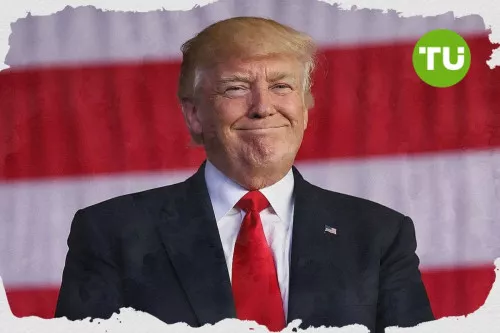
Gabriel Perez worked as Donald Trump's teleprompter operator and could read speeches loaded into the device about an hour before they were delivered. He then placed bets on Kalshi on specific words and phrases the president was expected to use.From December 2025 to March 2026, those trades earned him $107,539. The CFTC ordered Perez to return all of the profits, pay an additional $65,000, and barred him from trading on regulated platforms for three years.
Google employee Michele Spagnolo, known on Polymarket as AlphaRaccoon, allegedly made even more. U.S. prosecutors claim he used internal company information to bet on corporate events, including the most popular search queries, earning about $1.2 million.
View post on X Loading...
Spagnolo was charged in May, but his defense is now seeking to have the case dismissed. His lawyers argue that trading on Polymarket's international platform constituted offshore betting rather than transactions in financial instruments subject to the relevant insider trading rules.
Technology companies themselves have also taken notice of the problem. In February, OpenAI fired an employee following an internal investigation, saying the person had used confidential information in connection with external prediction markets. The employee's identity, trades, and profits were not disclosed.
But perhaps the most unusual case involved former congressman George Santos. He traded a contract on whether he himself would attend Trump's address to Congress while publicly discussing his plans at the same time.
Santos initially bet that he would attend and posted on social media about the outfit he planned to wear. After the contract price rose, he closed the position at a profit and then bet on his absence while continuing to publicly claim that he intended to attend. He ultimately did not show up and made a total profit of $17,839.
Kalshi said it found sufficient grounds to suspect Santos of insider trading. The platform fined him $71,356 and, for the first time in its history, permanently banned a user from trading.
The CFTC separately ordered the former congressman to pay about $35,000 and imposed a three-year ban.
Despite these cases, experts note that suspicious profits alone do not prove wrongdoing. The 2024 U.S. presidential election provided one of the clearest examples.
Shortly before the vote, Polymarket users noticed enormous positions betting on a Trump victory. Several linked accounts wagered tens of millions of dollars, prompting speculation about insider information and attempts to manipulate the market.
It later emerged that the accounts belonged to a French trader known as Théo. He wagered more than $70 million on election-related contracts and made about $85 million in net profit after Trump's victory.
No evidence of insider activity emerged. Théo said he placed the bets because he believed traditional polls were flawed and relied on alternative public opinion research.
View post on X Loading...
His story illustrates the other side of such suspicions. Prediction markets are designed to reward participants who assess the future more accurately than everyone else. A huge bet may reflect the use of nonpublic information—or it may simply be an expensive and highly successful prediction.
The issue, however, is no longer limited to a handful of high-profile cases. Polymarket said it has referred more than 100 suspicious cases to law enforcement, including trades linked to nonpublic information and the possible use of data about military operations.
Traditional financial markets have long-established concepts of material nonpublic information. On prediction markets, almost any piece of knowledge can provide an advantage—a secret military order, the text of a presidential speech, internal company data or even a trader's own decision to attend an event.
This creates an unusual paradox. A person with secret information can actually make the market more accurate: if they know an attack is coming and buy the corresponding contract, its price begins to reflect the true probability of the event more quickly.
But everyone else is then trading against someone who effectively has an absolute informational advantage.
Prediction markets ultimately depend on people who know more about the future than others. Their biggest scandals, however, begin when that advantage becomes too literal: the trader did not predict the right answer—they knew it in advance.


 Afghanistan
 Albania
 Algeria
 Angola
 Argentina
 Armenia
 Australia
 Austria
 Azerbaijan
 Bahamas
 Bahrain
 Bangladesh
 Belarus
 Belgium
 Bolivia
 Botswana
 Brazil
 Brunei
 Bulgaria
 Cambodia
 Cameroon
 Canada
 Chile
 China
 Colombia
 Congo
 Costa Rica
 Cote d'Ivoire
 Croatia
 Cuba
 Cyprus
 Czechia
 DR Congo
 Denmark
 Dominican Republic
 Ecuador
 Egypt
 El Salvador
 Estonia
 Eswatini
 Ethiopia
 Finland
 France
 Georgia
 Germany
 Ghana
 Greece
 Haiti
 Hong Kong
 Hungary
 India
 Indonesia
 Iran, Islamic republic
 Iraq
 Ireland
 Israel
 Italy
 Jamaica
 Japan
 Jordan
 Kazakhstan
 Kenya
 Korea
 Kuwait
 Kyrgyzstan
 Laos
 Latvia
 Lebanon
 Lesotho
 Libya
 Lithuania
 Luxembourg
 Madagascar
 Malaysia
 Malta
 Mauritius
 Mexico
 Moldova
 Mongolia
 Montenegro
 Morocco
 Mozambique
 Myanmar
 Namibia
 Nepal
 Netherlands
 New Zealand
 Nigeria
 North Macedonia
 Norway
 Oman
 Pakistan
 Palestine
 Panama
 Papua New Guinea
 Paraguay
 Peru
 Philippines
 Poland
 Portugal
 Puerto Rico
 Qatar
 Reunion
 Romania
 Rwanda
 Saudi Arabia
 Serbia
 Singapore
 Slovakia
 Slovenia
 Somalia
 South Africa
 Spain
 Sri Lanka
 Sweden
 Switzerland
 Syria
 Taiwan
 Tajikistan
 Tanzania
 Thailand
 Trinidad and Tobago
 Tunisia
 Turkey
 UAE
 Uganda
 Ukraine
 United Kingdom
United States
 Uruguay
 Uzbekistan
 Venezuela
 Vietnam
 Yemen
 Zambia
 Zimbabwe