
Buffett steps aside, handing Berkshire Hathaway to Abel after six decades of outperformance

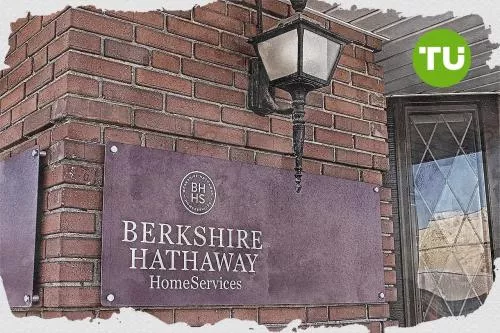
Warren Buffett is preparing to relinquish day-to-day leadership of Berkshire Hathaway this week, closing a defining chapter in modern investing and ushering in a new era for one of the world’s most valuable conglomerates.
Highlights
- Warren Buffett is stepping back from daily leadership at Berkshire Hathaway, handing operational control to longtime deputy Greg Abel while remaining chairman and an influential presence.
- Abel is expected to preserve Berkshire’s decentralized culture, with only incremental management changes as he takes a more hands-on role.
- Investors’ focus is likely to shift toward capital allocation decisions, particularly how Berkshire deploys its massive cash pile amid limited acquisition opportunities.
Greg Abel, long identified as Buffett’s successor, will take over operational control of Berkshire, a sprawling empire built over six decades from what was once a struggling New England textile company. Buffett began accumulating shares in 1962 at roughly $7.60 apiece. Today, Berkshire’s Class A stock trades above $750,000, and the company spans insurance, energy, railroads, manufacturing and consumer brands.
Buffett, widely regarded as the most successful investor of the postwar era, transformed Berkshire through disciplined capital allocation and a long-term investment philosophy. Despite donating more than $60 billion to philanthropy over the past two decades, his remaining Berkshire stake is still valued at about $150 billion.
For much of its history, Berkshire comfortably outperformed the S&P 500, fueled by acquisitions such as Geico, National Indemnity, Dairy Queen, BNSF Railway and Berkshire Hathaway Energy. Buffett also generated outsized gains through large, patient equity positions in companies including American Express, Coca-Cola and Apple.

Berkshire Hathaway stock price dynamics (October 2025 - December 2025). Source: TradingView.
That pace has moderated in recent years as Berkshire’s sheer size has made it harder to deploy capital efficiently. The company now holds roughly $382 billion in cash and equivalents, and even deals measured in the billions — including this fall’s $9.7 billion purchase of OxyChem — have limited impact on overall earnings.
A successor with deep roots inside Berkshire
Investors are watching closely to see whether Abel alters Berkshire’s strategy. Major shifts, however, appear unlikely. Buffett is not exiting the scene entirely. He will remain chairman and has said he plans to continue working from the office, offering guidance and helping identify investments when asked. Abel, meanwhile, has overseen all of Berkshire’s non-insurance operations since 2018, giving shareholders years of visibility into his management approach.
Some adjustments are expected. Analysts note that Abel may bring a more conventional leadership structure to a company employing nearly 400,000 people across dozens of largely autonomous subsidiaries. Berkshire’s decentralized culture — a core element of Buffett’s appeal to founders who sold their businesses to the conglomerate — is expected to remain intact.
Abel was formally confirmed as Buffett’s successor in 2021, when the late Charlie Munger reassured shareholders that Berkshire’s culture would be preserved. That assurance has been critical to maintaining confidence among investors and subsidiary leaders alike.
Compared with Buffett, Abel has taken a more hands-on approach, pressing executives with detailed operational questions while still allowing them broad independence. Earlier this month, he announced several leadership changes following the departure of investment manager and Geico CEO Todd Combs and the planned retirement of Chief Financial Officer Marc Hamburg.
Capital allocation, cash and the question of returns
One issue that may eventually confront Abel is shareholder pressure over capital returns. Berkshire has historically rejected dividends in favor of reinvesting profits, and share repurchases have been limited to periods when Buffett viewed the stock as undervalued. No buybacks have occurred since early 2024.
If Berkshire struggles to deploy its growing cash balance, calls for dividends or a more systematic buyback program may intensify. For now, such pressure is muted. Buffett controls nearly 30% of Berkshire’s voting power, a stake that will only gradually diminish as his shares are donated to charity after his death.
The stock price faces resistance near the Ichimoku Kijun at $502.85, with support defined by the 50- and 200-day moving averages, while overall momentum remains weak and mixed across indicators. Bearish-leaning oscillators and fading buyer strength point to mild downside pressure, reflected in a low-volatility session marked by a cautious, gradual drift lower.




Latest Berkshire Hathaway News





-
 Afghanistan
-
 Albania
-
 Algeria
-
 Angola
-
 Argentina
-
 Armenia
-
 Australia
-
 Austria
-
 Azerbaijan
-
 Bahamas
-
 Bahrain
-
 Bangladesh
-
 Belarus
-
 Belgium
-
 Bolivia
-
 Botswana
-
 Brazil
-
 Brunei
-
 Bulgaria
-
 Cambodia
-
 Cameroon
-
 Canada
-
 Chile
Chile
-
 China
China
-
 Colombia
-
 Congo
Congo
-
 Costa Rica
-
 Cote d'Ivoire
-
 Croatia
-
 Cuba
Cuba
-
 Cyprus
-
 Czechia
-
 DR Congo
-
 Denmark
-
 Dominican Republic
-
 Ecuador
-
 Egypt
Egypt
-
 El Salvador
-
 Estonia
-
 Eswatini
-
 Ethiopia
-
 Finland
-
 France
-
 Georgia
-
 Germany
-
 Ghana
Ghana
-
 Greece
-
 Haiti
Haiti
-
 Hong Kong
-
 Hungary
-
 India
India
-
 Indonesia
-
 Iran, Islamic republic
-
 Iraq
Iraq
-
 Ireland
-
 Israel
-
 Italy
Italy
-
 Jamaica
-
 Japan
Japan
-
 Jordan
-
 Kazakhstan
-
 Kenya
Kenya
-
 Korea
Korea
-
 Kuwait
-
 Kyrgyzstan
-
 Laos
Laos
-
 Latvia
-
 Lebanon
-
 Lesotho
-
 Libya
Libya
-
 Lithuania
-
 Luxembourg
-
 Madagascar
-
 Malaysia
-
 Malta
Malta
-
 Mauritius
-
 Mexico
-
 Moldova
-
 Mongolia
-
 Montenegro
-
 Morocco
-
 Mozambique
-
 Myanmar
-
 Namibia
-
 Nepal
Nepal
-
 Netherlands
-
 New Zealand
-
 Nigeria
-
 North Macedonia
-
 Norway
-
 Oman
Oman
-
 Pakistan
-
 Palestine
-
 Panama
-
 Papua New Guinea
-
 Paraguay
-
 Peru
Peru
-
 Philippines
-
 Poland
-
 Portugal
-
 Puerto Rico
-
 Qatar
Qatar
-
 Reunion
-
 Romania
-
 Rwanda
-
 Saudi Arabia
-
 Serbia
-
 Singapore
-
 Slovakia
-
 Slovenia
-
 Somalia
-
 South Africa
-
 Spain
Spain
-
 Sri Lanka
-
 Sweden
-
 Switzerland
-
 Syria
Syria
-
 Taiwan
-
 Tajikistan
-
 Tanzania
-
 Thailand
-
 Trinidad and Tobago
-
 Tunisia
-
 Turkey
-
 UAE
UAE
-
 Uganda
-
 Ukraine
-
 United Kingdom
-
United States
-
 Uruguay
-
 Uzbekistan
-
 Venezuela
-
 Vietnam
-
 Yemen
Yemen
-
 Zambia
-
 Zimbabwe
- Forex
- Crypto











