
Trump is considering emergency measures to curb rising oil prices as outages persist

Donald Trump will review options on Monday aimed at limiting rising oil prices, as high energy costs are highly undesirable for American businesses and consumers ahead of the November midterm congressional elections.
Highlights
- Trump considers emergency options to curb rising oil prices.
- Oil briefly hits $119 as Strait of Hormuz disruption persists.
- Strategic reserve release may offer only temporary market relief.
Unwanted turbulence
According to Reuters, U.S. officials are discussing with their counterparts from the Group of Seven the possibility of a coordinated release of crude oil from strategic reserves as one of the primary options.
Other measures under consideration include:
- restricting U.S. exports,
- intervention in oil futures markets,
- suspending certain federal taxes,
- lifting requirements of the Jones Act, which mandates that domestic fuel shipments in the U.S. be transported only by American-flagged vessels.
“The White House is in constant coordination with relevant agencies on this important issue, as it is a top priority for the president. President Trump and his entire energy team developed a clear plan to stabilize energy markets well before the launch of Operation ‘Epic Fury,’ and they will continue to consider all credible options,” said White House press secretary Taylor Rogers.
Limited policy options
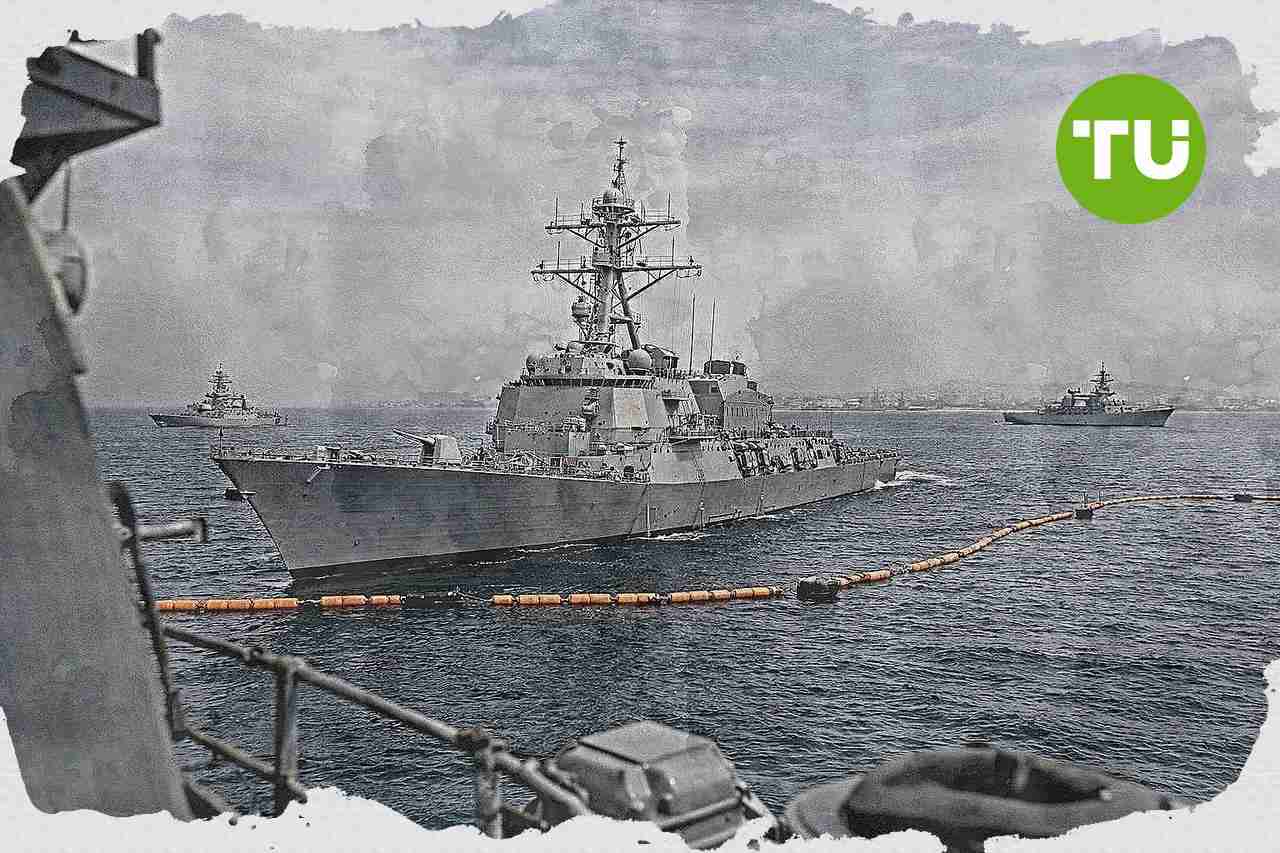
Meanwhile, industry analysts say the White House has few effective tools to quickly curb rising oil prices, as tanker traffic through the Strait of Hormuz—through which roughly 20% of global oil supplies pass—has not resumed due to ongoing military conflict.
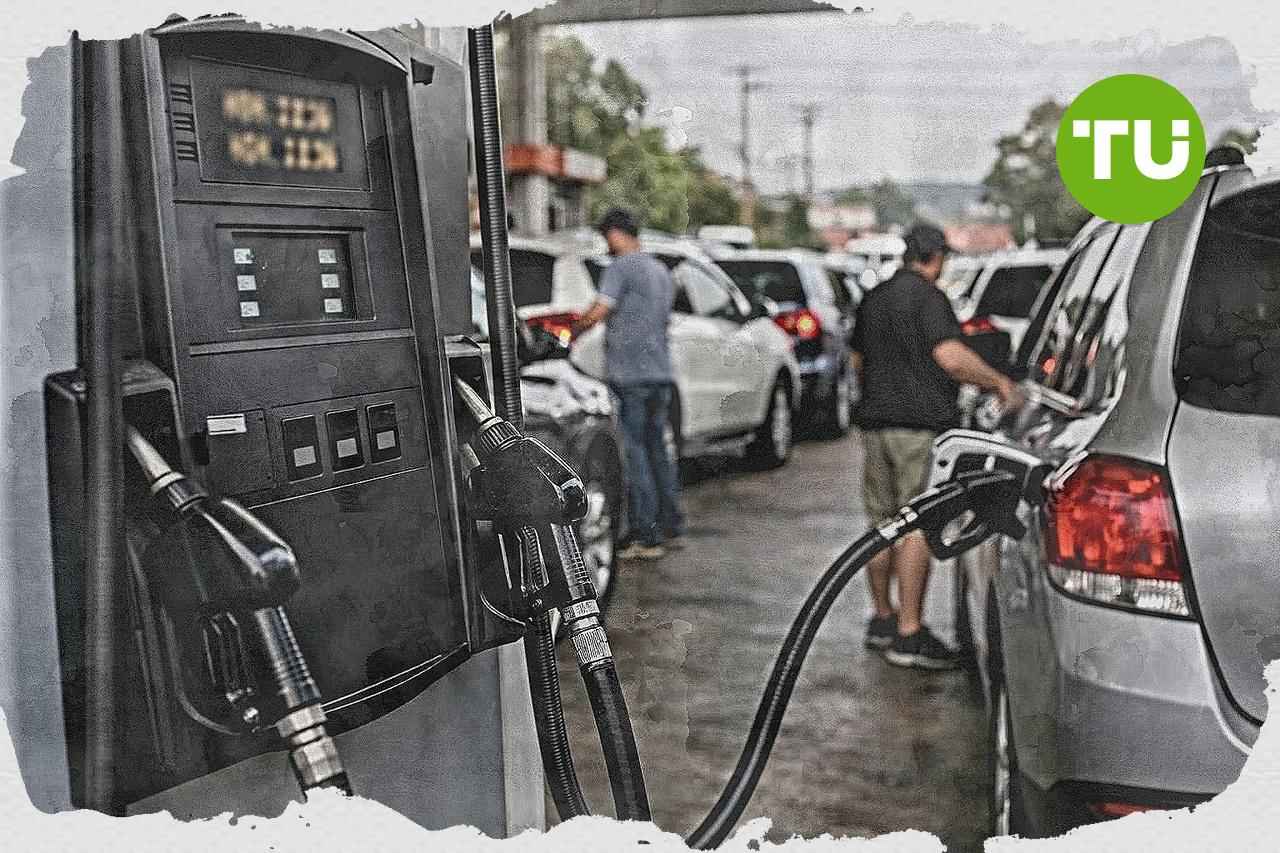
On Monday, global oil prices reached their highest level since mid-2022, briefly rising to $119 per barrel, triggering a sharp increase in gasoline and other fuel prices.
Last week, the White House asked federal agencies to prepare proposals that could help ease pressure on oil and gasoline prices. However, sources involved in the process expressed doubts about their effectiveness.
“The problem is that the options range from marginal and symbolic to extremely unwise,” one participant in the discussions told Reuters.
Trump wants to restore normal pricing dynamics as quickly as possible, as a prolonged spike in oil and gasoline prices could trigger a chain reaction across the economy, increasing transportation and consumer costs.
A Comprehensive solution will take time
Experts note that even a partial release of oil from strategic reserves may only have a short-term psychological effect on markets. Historically, such measures can temporarily reduce price volatility but do not solve the fundamental issue of limited supply amid geopolitical tensions and disruptions in key logistics routes.
In the longer term, stabilizing prices will likely depend on restoring safe shipping through the Strait of Hormuz and increasing production by exporting countries. Until then, the oil market will remain highly sensitive to geopolitical developments, with price turbulence directly affecting inflation and fuel costs in the United States and globally.
As we reported, Oil above $110: How Iran war shakes global markets






-
 Afghanistan
-
 Albania
-
 Algeria
-
 Angola
-
 Argentina
-
 Armenia
-
 Australia
-
 Austria
-
 Azerbaijan
-
 Bahamas
-
 Bahrain
-
 Bangladesh
-
 Belarus
-
 Belgium
-
 Bolivia
-
 Botswana
-
 Brazil
-
 Brunei
-
 Bulgaria
-
 Cambodia
-
 Cameroon
-
 Canada
-
 Chile
Chile
-
 China
China
-
 Colombia
-
 Congo
Congo
-
 Costa Rica
-
 Cote d'Ivoire
-
 Croatia
-
 Cuba
Cuba
-
 Cyprus
-
 Czechia
-
 DR Congo
-
 Denmark
-
 Dominican Republic
-
 Ecuador
-
 Egypt
Egypt
-
 El Salvador
-
 Estonia
-
 Eswatini
-
 Ethiopia
-
 Finland
-
 France
-
 Georgia
-
 Germany
-
 Ghana
Ghana
-
 Greece
-
 Haiti
Haiti
-
 Hong Kong
-
 Hungary
-
 India
India
-
 Indonesia
-
 Iran, Islamic republic
-
 Iraq
Iraq
-
 Ireland
-
 Israel
-
 Italy
Italy
-
 Jamaica
-
 Japan
Japan
-
 Jordan
-
 Kazakhstan
-
 Kenya
Kenya
-
 Korea
Korea
-
 Kuwait
-
 Kyrgyzstan
-
 Laos
Laos
-
 Latvia
-
 Lebanon
-
 Lesotho
-
 Libya
Libya
-
 Lithuania
-
 Luxembourg
-
 Madagascar
-
 Malaysia
-
 Malta
Malta
-
 Mauritius
-
 Mexico
-
 Moldova
-
 Mongolia
-
 Montenegro
-
 Morocco
-
 Mozambique
-
 Myanmar
-
 Namibia
-
 Nepal
Nepal
-
 Netherlands
-
 New Zealand
-
 Nigeria
-
 North Macedonia
-
 Norway
-
 Oman
Oman
-
 Pakistan
-
 Palestine
-
 Panama
-
 Papua New Guinea
-
 Paraguay
-
 Peru
Peru
-
 Philippines
-
 Poland
-
 Portugal
-
 Puerto Rico
-
 Qatar
Qatar
-
 Reunion
-
 Romania
-
 Rwanda
-
 Saudi Arabia
-
 Serbia
-
 Singapore
-
 Slovakia
-
 Slovenia
-
 Somalia
-
 South Africa
-
 Spain
Spain
-
 Sri Lanka
-
 Sweden
-
 Switzerland
-
 Syria
Syria
-
 Taiwan
-
 Tajikistan
-
 Tanzania
-
 Thailand
-
 Trinidad and Tobago
-
 Tunisia
-
 Turkey
-
 UAE
UAE
-
 Uganda
-
 Ukraine
-
 United Kingdom
-
United States
-
 Uruguay
-
 Uzbekistan
-
 Venezuela
-
 Vietnam
-
 Yemen
Yemen
-
 Zambia
-
 Zimbabwe
- Forex
- Crypto











