
Trump escalates Iran conflict with renewed strikes and Hormuz toll threat
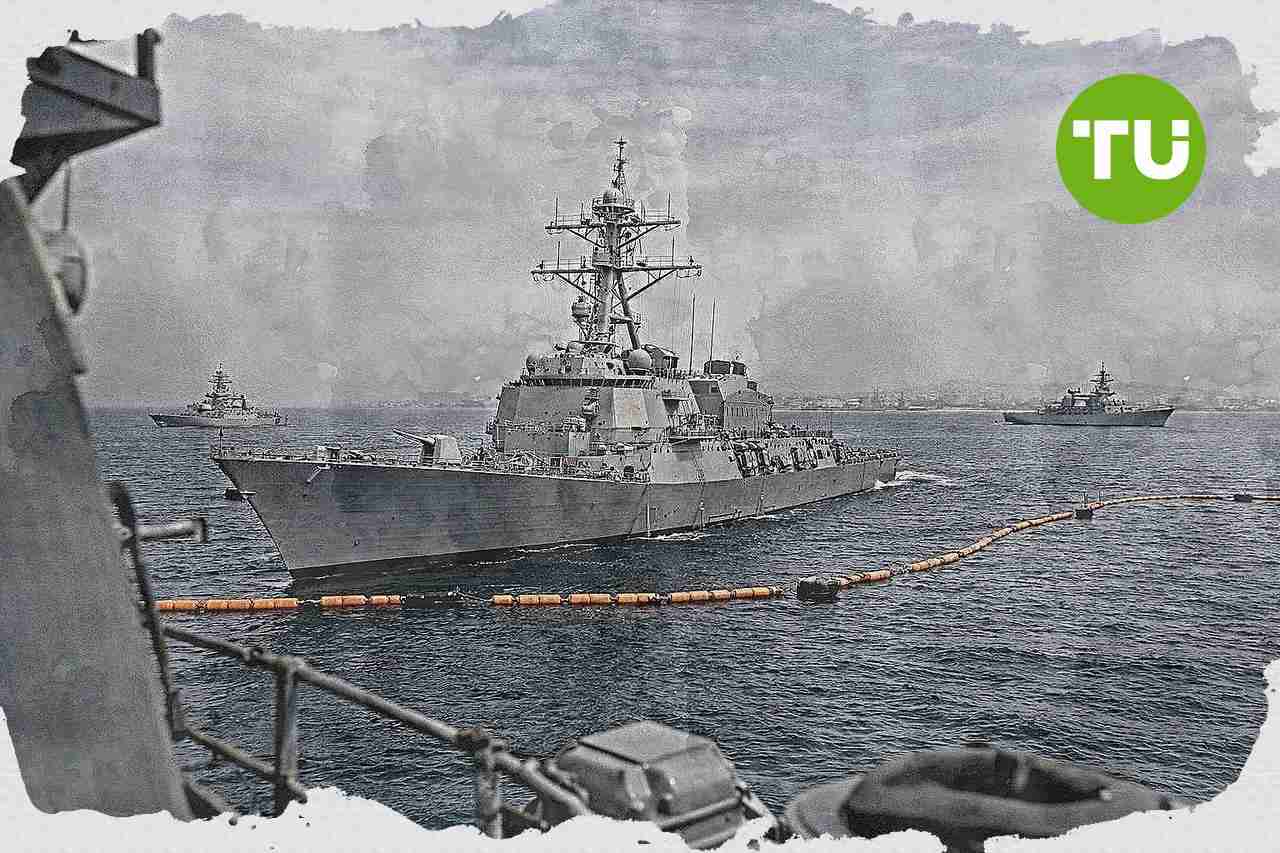
With diplomacy between Washington and Tehran reversing course after last month’s memorandum of understanding, Donald Trump resumes military pressure on Iran and signals further action. The shift restores a naval blockade on Iranian ports and raises the prospect of higher shipping costs through the Strait of Hormuz.
Highlights
- Trump orders renewed military strikes against Iran and reinstates a naval blockade, reversing the previous month’s diplomatic memorandum of understanding.
- Trump vows to impose a 20 per cent toll on Hormuz Strait passage, drawing objections from Secretary of State Marco Rubio over international law concerns.
- The escalation threatens to raise oil and petrol prices, increasing political and economic risks for Republicans ahead of the midterm elections.
Military action and policy reversal
As reported by Financial Times, Trump orders another round of military strikes against targets in Iran on Monday night and says he will do the same on Tuesday, marking a sharp turn away from the diplomatic push that gained ground last month.The renewed campaign follows a period in which Trump wavers between escalation and negotiation during the U.S. conflict with Iran, which the text says dates back to February. After the signing of a memorandum of understanding with Iran in Versailles, the administration now moves back toward open confrontation.
Trump also reinstates the naval blockade on Iranian ports that was lifted after the MoU and notifies Congress of the resumption of military conflict. He further vows to impose a 20 per cent toll on passage through the waterway, despite objections from top officials including Secretary of State Marco Rubio, who says such fees would violate international law.
In a post on Truth Social, Trump says the U.S.A. will be known as "THE GUARDIAN OF THE HORMUZ STRAIT." He also attacks Iran’s leadership in radio comments, saying Tehran repeatedly breaks agreements and cannot be trusted with a nuclear weapon.
Political and economic risks for Republicans
The escalation carries meaningful risks for Trump and his party as the conflict remains unpopular politically. A longer war could create added pressure for Republicans in battleground districts and states ahead of the midterm elections.Energy markets are another concern, with high costs for oil and petrol threatening to weigh on Republican efforts to defend control of Congress. The latest moves suggest Trump is again betting that sustained American military force can push Tehran into submission, despite the domestic and economic consequences.
In our earlier article on WTI’s rebound amid renewed U.S.–Iran tensions, we explained that fears of disruptions to shipping through the Strait of Hormuz were rebuilding a geopolitical risk premium in oil. We also noted that with roughly a fifth of global seaborne crude moving through the Strait, any threat to maritime traffic can quickly lift crude prices, inflation expectations, and market volatility.








-
 Afghanistan
-
 Albania
-
 Algeria
-
 Angola
-
 Argentina
-
 Armenia
-
 Australia
-
 Austria
-
 Azerbaijan
-
 Bahamas
-
 Bahrain
-
 Bangladesh
-
 Belarus
-
 Belgium
-
 Bolivia
-
 Botswana
-
 Brazil
-
 Brunei
-
 Bulgaria
-
 Cambodia
-
 Cameroon
-
 Canada
-
 Chile
Chile
-
 China
China
-
 Colombia
-
 Congo
Congo
-
 Costa Rica
-
 Cote d'Ivoire
-
 Croatia
-
 Cuba
Cuba
-
 Cyprus
-
 Czechia
-
 DR Congo
-
 Denmark
-
 Dominican Republic
-
 Ecuador
-
 Egypt
Egypt
-
 El Salvador
-
 Estonia
-
 Eswatini
-
 Ethiopia
-
 Finland
-
 France
-
 Georgia
-
 Germany
-
 Ghana
Ghana
-
 Greece
-
 Haiti
Haiti
-
 Hong Kong
-
 Hungary
-
 India
India
-
 Indonesia
-
 Iran, Islamic republic
-
 Iraq
Iraq
-
 Ireland
-
 Israel
-
 Italy
Italy
-
 Jamaica
-
 Japan
Japan
-
 Jordan
-
 Kazakhstan
-
 Kenya
Kenya
-
 Korea
Korea
-
 Kuwait
-
 Kyrgyzstan
-
 Laos
Laos
-
 Latvia
-
 Lebanon
-
 Lesotho
-
 Libya
Libya
-
 Lithuania
-
 Luxembourg
-
 Madagascar
-
 Malaysia
-
 Malta
Malta
-
 Mauritius
-
 Mexico
-
 Moldova
-
 Mongolia
-
 Montenegro
-
 Morocco
-
 Mozambique
-
 Myanmar
-
 Namibia
-
 Nepal
Nepal
-
 Netherlands
-
 New Zealand
-
 Nigeria
-
 North Macedonia
-
 Norway
-
 Oman
Oman
-
 Pakistan
-
 Palestine
-
 Panama
-
 Papua New Guinea
-
 Paraguay
-
 Peru
Peru
-
 Philippines
-
 Poland
-
 Portugal
-
 Puerto Rico
-
 Qatar
Qatar
-
 Reunion
-
 Romania
-
 Rwanda
-
 Saudi Arabia
-
 Serbia
-
 Singapore
-
 Slovakia
-
 Slovenia
-
 Somalia
-
 South Africa
-
 Spain
Spain
-
 Sri Lanka
-
 Sweden
-
 Switzerland
-
 Syria
Syria
-
 Taiwan
-
 Tajikistan
-
 Tanzania
-
 Thailand
-
 Trinidad and Tobago
-
 Tunisia
-
 Turkey
-
 UAE
UAE
-
 Uganda
-
 Ukraine
-
 United Kingdom
-
United States
-
 Uruguay
-
 Uzbekistan
-
 Venezuela
-
 Vietnam
-
 Yemen
Yemen
-
 Zambia
-
 Zimbabwe
- Forex
- Crypto











