
Federal Reserve holds rates steady, launches policy review as AI investment accelerates
At a pivotal moment for U.S. monetary policy, Federal Reserve Chairman Kevin Warsh tells Congress the central bank is keeping a firm focus on restoring price stability while the economy continues to expand at a solid pace. He also says the Fed is opening a new chapter with five task forces to reassess communications, balance sheet policy, data, productivity and inflation frameworks.
Highlights
- The Federal Reserve held the federal funds rate steady at 3-1/2 to 3-3/4 percent at its June meeting, maintaining focus on combating persistently high inflation.
- AI-driven business investment surged, with high-tech spending up nearly 25 percent and equipment investment rising about 8 percent year-on-year through Q1, driving U.S. economic resilience.
- The Fed launched five policy task forces to reassess communication, balance sheet, data, productivity, and inflation frameworks, signaling preparation for operational changes amid rapid technological advancements.
Monetary policy stance and economic backdrop
As reported by the Federal Reserve System, Warsh says the Federal Open Market Committee decided at its June meeting to hold the target range for the federal funds rate at 3-1/2 to 3-3/4 percent as officials remain unwilling to tolerate persistently elevated inflation. He tells the House Financial Services Committee that high inflation has placed an undue burden on households and businesses, and that the Fed remains resolutely committed to restoring price stability.Warsh says economic activity is expanding at a solid pace and showing resilience amid recent developments. Household consumption growth is moderate, manufacturing output has moved up steadily this year, and the housing sector continues to lag.
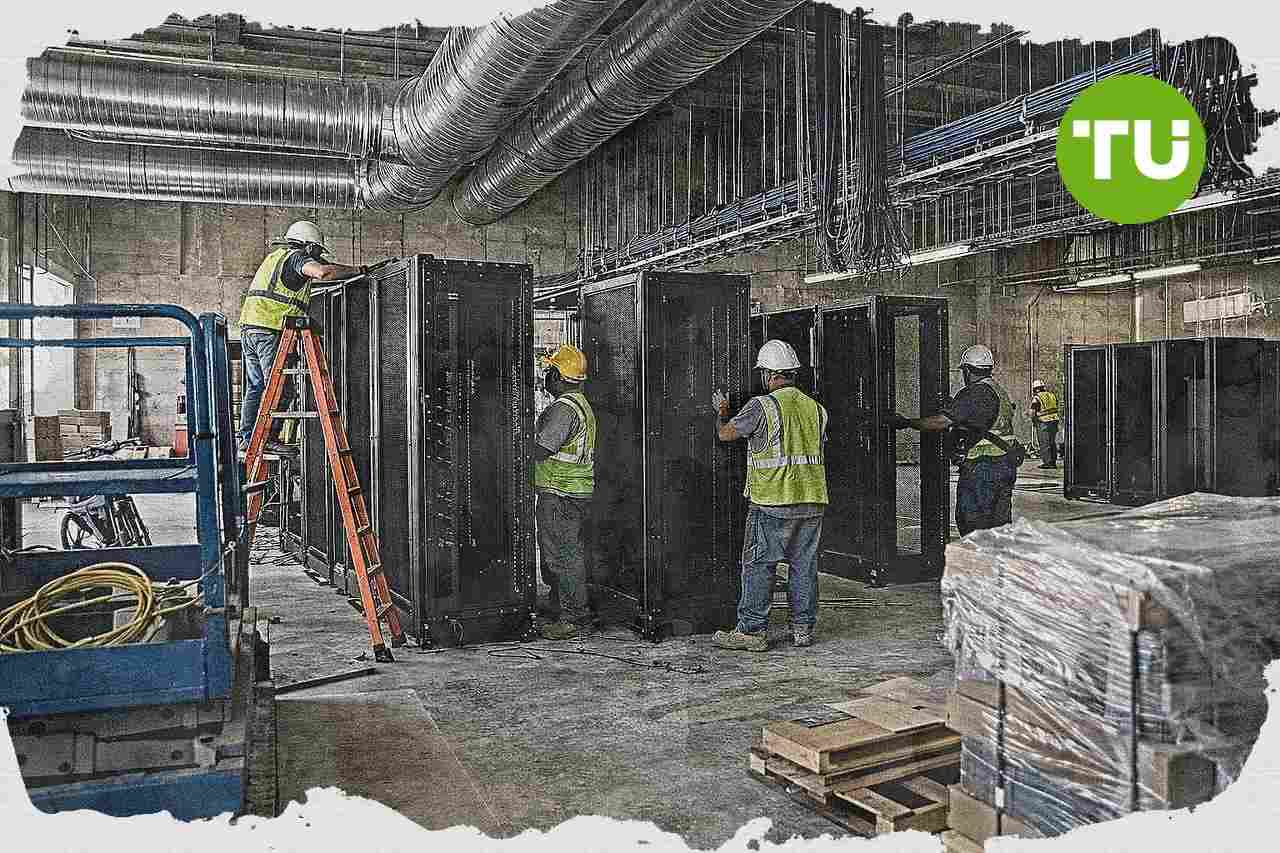
He identifies business investment as the economy's most striking feature, saying the rapid pace is being driven largely by data center construction and demand for AI-related equipment and software. Equipment investment rises about 8 percent in the year ending in the first quarter, while high-tech spending grows nearly 25 percent on a four-quarter basis, according to his testimony.
Warsh adds that the Fed is monitoring how the AI buildout could affect inflation and the labor market. He says productivity growth is strong, the labor market appears broadly stable, job creation keeps pace with the workforce, and the unemployment rate remains low with little change over the past year.
Task forces signal broader central bank overhaul
Warsh says the Fed is systematically reviewing how it conducts monetary policy by appointing task forces in five areas central to its work. He says the groups are drawing on experts from inside and outside the economics profession and are charged with revisiting current practices, examining alternatives and proposing next steps for policymakers.The first task force will assess Fed communications, while the second will review balance sheet policies, including the ample-reserves regime and the composition of asset holdings. A third group will evaluate new data sources and methodological changes aimed at improving the timeliness and usefulness of information available to policymakers.
A separate task force on productivity and jobs will study the pace and impact of new general-purpose technologies, including possible effects on America's productive capacity and workers. The fifth group will examine inflation frameworks, testing whether current models and thinking provide a sufficiently robust view of prices and output in a changing economy.
The review suggests the Fed is trying to adapt its policy toolkit to an economy shaped by sustained inflation pressures and heavy technology investment. For businesses and investors, the effort points to possible future changes in how the central bank communicates decisions, interprets economic data and balances its employment and price stability mandates.
In our earlier coverage of Fed Chairman Kevin Warsh’s congressional testimony, we noted his emphasis on restoring price stability amid persistently above-target inflation. We also highlighted his view that accelerating investment in data centers and AI-related equipment is a key pillar of U.S. economic resilience, alongside the launch of five Fed task forces reviewing communications, the balance sheet, data, technology, and the inflation framework.


Latest Fed News







-
 Afghanistan
-
 Albania
-
 Algeria
-
 Angola
-
 Argentina
-
 Armenia
-
 Australia
-
 Austria
-
 Azerbaijan
-
 Bahamas
-
 Bahrain
-
 Bangladesh
-
 Belarus
-
 Belgium
-
 Bolivia
-
 Botswana
-
 Brazil
-
 Brunei
-
 Bulgaria
-
 Cambodia
-
 Cameroon
-
 Canada
-
 Chile
Chile
-
 China
China
-
 Colombia
-
 Congo
Congo
-
 Costa Rica
-
 Cote d'Ivoire
-
 Croatia
-
 Cuba
Cuba
-
 Cyprus
-
 Czechia
-
 DR Congo
-
 Denmark
-
 Dominican Republic
-
 Ecuador
-
 Egypt
Egypt
-
 El Salvador
-
 Estonia
-
 Eswatini
-
 Ethiopia
-
 Finland
-
 France
-
 Georgia
-
 Germany
-
 Ghana
Ghana
-
 Greece
-
 Haiti
Haiti
-
 Hong Kong
-
 Hungary
-
 India
India
-
 Indonesia
-
 Iran, Islamic republic
-
 Iraq
Iraq
-
 Ireland
-
 Israel
-
 Italy
Italy
-
 Jamaica
-
 Japan
Japan
-
 Jordan
-
 Kazakhstan
-
 Kenya
Kenya
-
 Korea
Korea
-
 Kuwait
-
 Kyrgyzstan
-
 Laos
Laos
-
 Latvia
-
 Lebanon
-
 Lesotho
-
 Libya
Libya
-
 Lithuania
-
 Luxembourg
-
 Madagascar
-
 Malaysia
-
 Malta
Malta
-
 Mauritius
-
 Mexico
-
 Moldova
-
 Mongolia
-
 Montenegro
-
 Morocco
-
 Mozambique
-
 Myanmar
-
 Namibia
-
 Nepal
Nepal
-
 Netherlands
-
 New Zealand
-
 Nigeria
-
 North Macedonia
-
 Norway
-
 Oman
Oman
-
 Pakistan
-
 Palestine
-
 Panama
-
 Papua New Guinea
-
 Paraguay
-
 Peru
Peru
-
 Philippines
-
 Poland
-
 Portugal
-
 Puerto Rico
-
 Qatar
Qatar
-
 Reunion
-
 Romania
-
 Rwanda
-
 Saudi Arabia
-
 Serbia
-
 Singapore
-
 Slovakia
-
 Slovenia
-
 Somalia
-
 South Africa
-
 Spain
Spain
-
 Sri Lanka
-
 Sweden
-
 Switzerland
-
 Syria
Syria
-
 Taiwan
-
 Tajikistan
-
 Tanzania
-
 Thailand
-
 Trinidad and Tobago
-
 Tunisia
-
 Turkey
-
 UAE
UAE
-
 Uganda
-
 Ukraine
-
 United Kingdom
-
United States
-
 Uruguay
-
 Uzbekistan
-
 Venezuela
-
 Vietnam
-
 Yemen
Yemen
-
 Zambia
-
 Zimbabwe
- Forex
- Crypto











