
U.S. says Project Freedom targets Hormuz shipping rescue amid Iran blockade
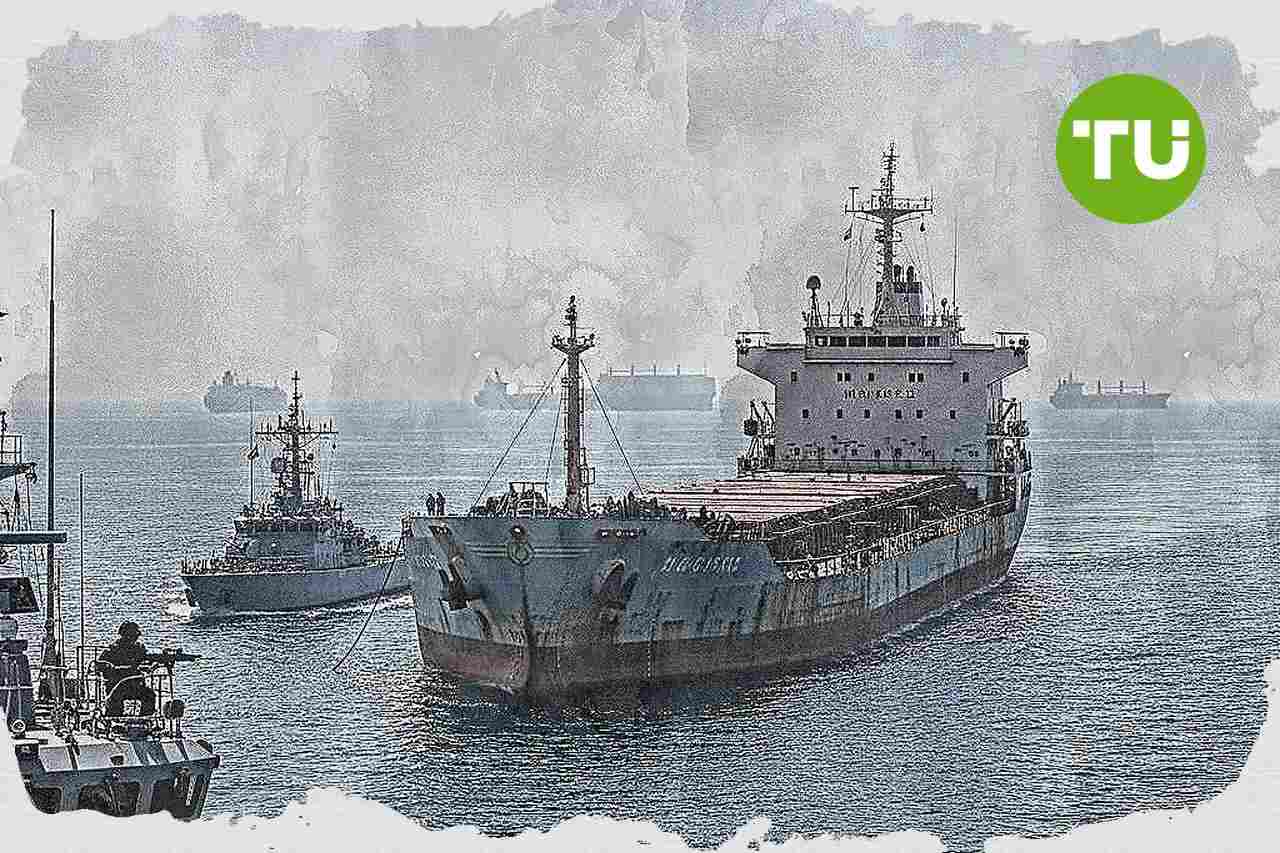
Rising tensions in the Persian Gulf are pushing Washington to frame maritime security as both a civilian rescue mission and a defense of global trade routes. The initiative, called Project Freedom, is aimed at helping about 23,000 civilians from multiple countries stranded by Iranian actions in and around the Strait of Hormuz.
Highlights
- Secretary of State Marco Rubio announces Project Freedom on May 5, 2026, deploying U.S. military assets to protect commercial and civilian vessels in the Persian Gulf following an Iranian blockade of the Strait of Hormuz.
- Recent attacks by Iranian fast boats on civilian ships have resulted in sailor casualties, heightening risks to international shipping and energy trade in a key global corridor.
- The U.S. emphasizes sanctions, defensive naval presence, and diplomatic efforts to prevent Iran's actions from disrupting international trade and shipping access in the region.
State Department outlines rescue and naval posture
As reported by the U.S. Department of State, Secretary of State Marco Rubio says the U.S. military is carrying out Project Freedom to help vessels and civilians trapped in the Persian Gulf after what he describes as an Iranian blockade of the Strait of Hormuz.Speaking in Washington on May 5, 2026, Rubio calls Iran's actions piracy and says the threat extends beyond commercial cargo to the safety of civilian mariners. He says the U.S. posture is defensive and focused on protecting commercial shipping in international waters.
Rubio says President Trump has authorized the military to protect stranded vessels and keep international waterways open to all nations. He also says recent attacks by Iranian fast boats on civilian ships have caused sailor casualties over recent months.
Regional and market implications widen
The remarks underscore the risk that military tension in one of the world's key energy and shipping corridors can disrupt trade flows and raise security costs for commercial operators. By stressing freedom of navigation, Washington is signaling that the issue reaches beyond bilateral conflict and affects international shipping access more broadly.Rubio says sanctions and military measures are intended to prevent Iran from benefiting from what he calls piracy, while also urging other countries to condemn Tehran's actions. At the same time, he emphasizes that the U.S. remains committed to defensive operations and says peaceful resolution through diplomacy remains important.
In our earlier article on Bank of America’s warning about the Iran war’s economic fallout, we noted that U.S. growth is leaning heavily on consumer spending and a surge in AI-related capital expenditure. The bank cautioned that a prolonged conflict could lift energy prices and create supply bottlenecks, squeezing households through inflation while also complicating power- and infrastructure-intensive AI investment.


Latest Iran war News







-
 Afghanistan
-
 Albania
-
 Algeria
-
 Angola
-
 Argentina
-
 Armenia
-
 Australia
-
 Austria
-
 Azerbaijan
-
 Bahamas
-
 Bahrain
-
 Bangladesh
-
 Belarus
-
 Belgium
-
 Bolivia
-
 Botswana
-
 Brazil
-
 Brunei
-
 Bulgaria
-
 Cambodia
-
 Cameroon
-
 Canada
-
 Chile
Chile
-
 China
China
-
 Colombia
-
 Congo
Congo
-
 Costa Rica
-
 Cote d'Ivoire
-
 Croatia
-
 Cuba
Cuba
-
 Cyprus
-
 Czechia
-
 DR Congo
-
 Denmark
-
 Dominican Republic
-
 Ecuador
-
 Egypt
Egypt
-
 El Salvador
-
 Estonia
-
 Eswatini
-
 Ethiopia
-
 Finland
-
 France
-
 Georgia
-
 Germany
-
 Ghana
Ghana
-
 Greece
-
 Haiti
Haiti
-
 Hong Kong
-
 Hungary
-
 India
India
-
 Indonesia
-
 Iran, Islamic republic
-
 Iraq
Iraq
-
 Ireland
-
 Israel
-
 Italy
Italy
-
 Jamaica
-
 Japan
Japan
-
 Jordan
-
 Kazakhstan
-
 Kenya
Kenya
-
 Korea
Korea
-
 Kuwait
-
 Kyrgyzstan
-
 Laos
Laos
-
 Latvia
-
 Lebanon
-
 Lesotho
-
 Libya
Libya
-
 Lithuania
-
 Luxembourg
-
 Madagascar
-
 Malaysia
-
 Malta
Malta
-
 Mauritius
-
 Mexico
-
 Moldova
-
 Mongolia
-
 Montenegro
-
 Morocco
-
 Mozambique
-
 Myanmar
-
 Namibia
-
 Nepal
Nepal
-
 Netherlands
-
 New Zealand
-
 Nigeria
-
 North Macedonia
-
 Norway
-
 Oman
Oman
-
 Pakistan
-
 Palestine
-
 Panama
-
 Papua New Guinea
-
 Paraguay
-
 Peru
Peru
-
 Philippines
-
 Poland
-
 Portugal
-
 Puerto Rico
-
 Qatar
Qatar
-
 Reunion
-
 Romania
-
 Rwanda
-
 Saudi Arabia
-
 Serbia
-
 Singapore
-
 Slovakia
-
 Slovenia
-
 Somalia
-
 South Africa
-
 Spain
Spain
-
 Sri Lanka
-
 Sweden
-
 Switzerland
-
 Syria
Syria
-
 Taiwan
-
 Tajikistan
-
 Tanzania
-
 Thailand
-
 Trinidad and Tobago
-
 Tunisia
-
 Turkey
-
 UAE
UAE
-
 Uganda
-
 Ukraine
-
 United Kingdom
-
United States
-
 Uruguay
-
 Uzbekistan
-
 Venezuela
-
 Vietnam
-
 Yemen
Yemen
-
 Zambia
-
 Zimbabwe
- Forex
- Crypto











