

Bank of America warns Iran war could hit two key U.S. growth drivers
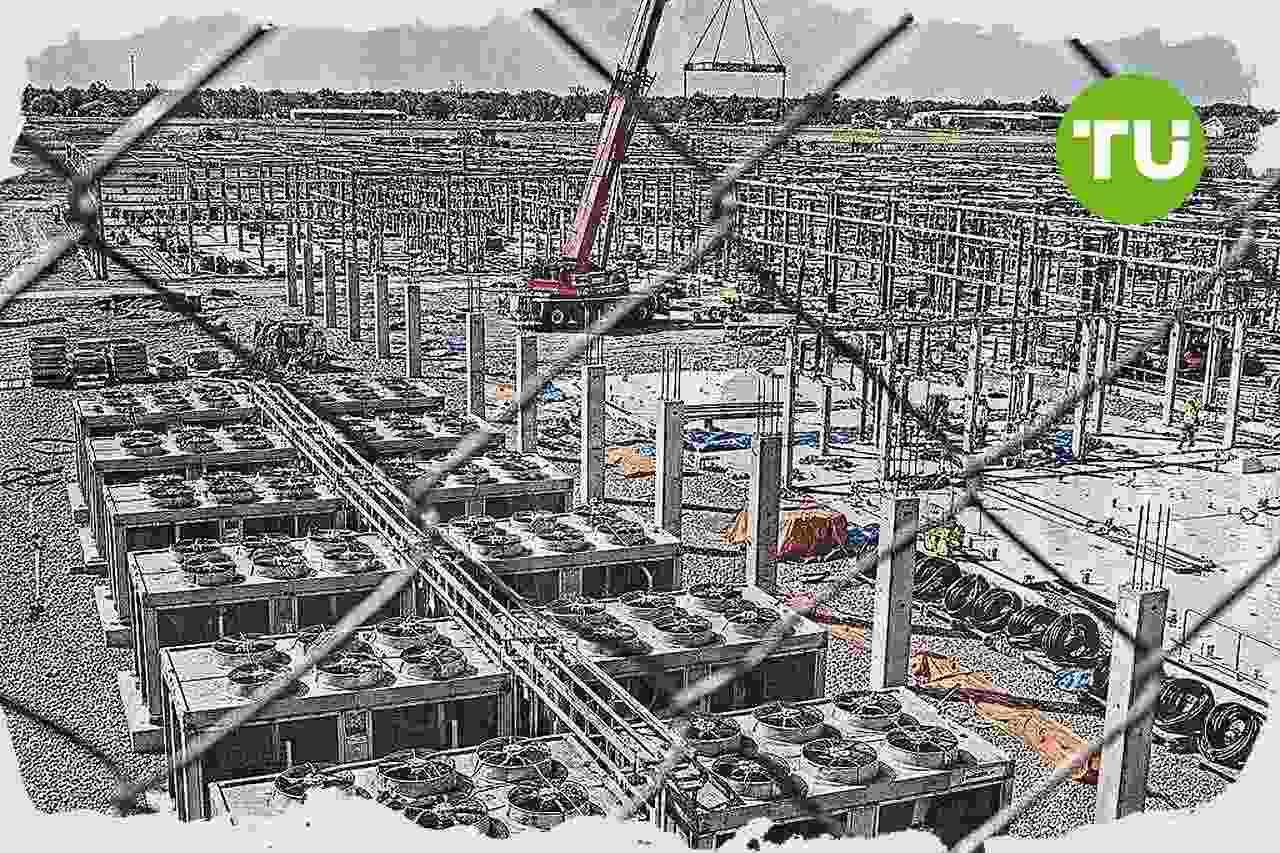
With U.S. growth increasingly concentrated in a narrow set of supports, Bank of America says consumer spending and AI capital expenditure remain the main pillars of expansion. The bank warns the Iran war threatens both through higher inflation and energy supply bottlenecks, raising risks for households and technology investment.
Highlights
- Bank of America warns the Iran war threatens U.S. GDP growth by increasing energy costs and potentially disrupting both consumer spending and AI-related investment.
- Amazon, Microsoft, Meta, and Alphabet expect up to $725 billion in capital expenditures by 2026, with Morgan Stanley projecting $800 billion for top tech firms including Oracle, driving GDP growth by 2.5% in 2026 and over 3% in 2027 from AI capex.
- Consumer spending contributes 1.08 percentage points to first-quarter 2026 GDP growth, but persistent healthcare inflation and energy price surges are constraining further expansion.
Growth pillars tied to spending and AI investment
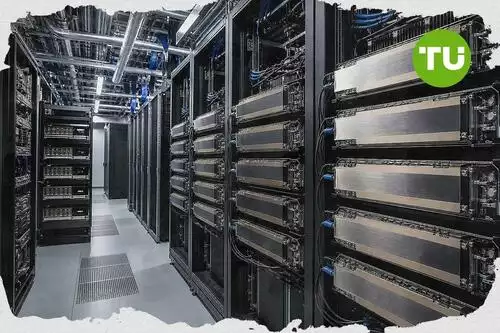
As reported by Bank of America, the U.S. economy is relying heavily on consumer spending and AI-related capital expenditure to sustain growth, with both expected to keep contributing unless the Middle East conflict worsens. BofA economists describe the setup as two tailwinds facing one major risk, saying resilient consumers and stronger AI momentum support their base case for this year.Large technology companies are committing vast sums to computing infrastructure, data centers, and hardware. The article says Amazon, Microsoft, Meta, and Alphabet alone plan to spend up to $725 billion in capital expenditures in 2026, while Morgan Stanley raised its outlook to $800 billion for Amazon, Microsoft, Meta, Alphabet, and Oracle after recent Big Tech earnings.
David Sacks, President Trump's former AI and crypto czar, says AI capex could provide a 2.5% tailwind to GDP growth in 2026 and more than 3% in 2027. Federal Reserve Bank of St. Louis analysis also finds AI investment contributes significantly to real GDP growth in 2025, exceeding the contribution once made by IT components during the dot-com era.
U.S. GDP rises at an annual rate of 2% in the first quarter of 2026, according to the latest Bureau of Economic Analysis data cited in the article. Within that figure, information processing equipment investment, including AI and data center spending, contributes 0.83 percentage point, while software investment adds 0.51 percentage point.
Middle East conflict raises inflation and energy risks
Consumer spending is still helping support the economy even as sentiment weakens. Bank of America recently reports total spending grows at the fastest pace since early 2023, and says spending remains solid though it is slowing, with gains also visible outside gasoline.Consumer spending accounts for 1.08 percentage points of first-quarter GDP growth, driven mainly by services and especially healthcare, the Bureau of Economic Analysis data shows. The article notes persistent healthcare inflation is also limiting the Federal Reserve's ability to tackle broader price pressures.
The Iran war, now in its third month, is presented as the main threat to both growth engines. Bank of America says higher oil prices and broader energy market disruption could squeeze consumers through inflation while also worsening supply bottlenecks for AI development, as technology companies already compete for power and infrastructure in a tight energy market.
The article says the conflict could produce a second wave of inflation affecting groceries, clothing, medicine, and other household purchases beyond gasoline. UBS chief global economist Paul Donovan compares current consumer resilience to a Wile E. Coyote moment, arguing the economic strain from rising prices has not fully registered yet but may soon hit spending more sharply.
Our earlier coverage of the AI buildout’s power and grid constraints explained that the next phase of the AI boom depends heavily on physical infrastructure—data centers, grid connections, and reliable electricity supply. We noted that interconnection backlogs, rising power prices, and equipment bottlenecks are becoming key risks, potentially keeping utility costs elevated and influencing inflation as AI investment scales.










-
 Afghanistan
-
 Albania
-
 Algeria
-
 Angola
-
 Argentina
-
 Armenia
-
 Australia
-
 Austria
-
 Azerbaijan
-
 Bahamas
-
 Bahrain
-
 Bangladesh
-
 Belarus
-
 Belgium
-
 Bolivia
-
 Botswana
-
 Brazil
-
 Brunei
-
 Bulgaria
-
 Cambodia
-
 Cameroon
-
 Canada
-
 Chile
Chile
-
 China
China
-
 Colombia
-
 Congo
Congo
-
 Costa Rica
-
 Cote d'Ivoire
-
 Croatia
-
 Cuba
Cuba
-
 Cyprus
-
 Czechia
-
 DR Congo
-
 Denmark
-
 Dominican Republic
-
 Ecuador
-
 Egypt
Egypt
-
 El Salvador
-
 Estonia
-
 Eswatini
-
 Ethiopia
-
 Finland
-
 France
-
 Georgia
-
 Germany
-
 Ghana
Ghana
-
 Greece
-
 Haiti
Haiti
-
 Hong Kong
-
 Hungary
-
 India
India
-
 Indonesia
-
 Iran, Islamic republic
-
 Iraq
Iraq
-
 Ireland
-
 Israel
-
 Italy
Italy
-
 Jamaica
-
 Japan
Japan
-
 Jordan
-
 Kazakhstan
-
 Kenya
Kenya
-
 Korea
Korea
-
 Kuwait
-
 Kyrgyzstan
-
 Laos
Laos
-
 Latvia
-
 Lebanon
-
 Lesotho
-
 Libya
Libya
-
 Lithuania
-
 Luxembourg
-
 Madagascar
-
 Malaysia
-
 Malta
Malta
-
 Mauritius
-
 Mexico
-
 Moldova
-
 Mongolia
-
 Montenegro
-
 Morocco
-
 Mozambique
-
 Myanmar
-
 Namibia
-
 Nepal
Nepal
-
 Netherlands
-
 New Zealand
-
 Nigeria
-
 North Macedonia
-
 Norway
-
 Oman
Oman
-
 Pakistan
-
 Palestine
-
 Panama
-
 Papua New Guinea
-
 Paraguay
-
 Peru
Peru
-
 Philippines
-
 Poland
-
 Portugal
-
 Puerto Rico
-
 Qatar
Qatar
-
 Reunion
-
 Romania
-
 Rwanda
-
 Saudi Arabia
-
 Serbia
-
 Singapore
-
 Slovakia
-
 Slovenia
-
 Somalia
-
 South Africa
-
 Spain
Spain
-
 Sri Lanka
-
 Sweden
-
 Switzerland
-
 Syria
Syria
-
 Taiwan
-
 Tajikistan
-
 Tanzania
-
 Thailand
-
 Trinidad and Tobago
-
 Tunisia
-
 Turkey
-
 UAE
UAE
-
 Uganda
-
 Ukraine
-
 United Kingdom
-
United States
-
 Uruguay
-
 Uzbekistan
-
 Venezuela
-
 Vietnam
-
 Yemen
Yemen
-
 Zambia
-
 Zimbabwe
- Forex
- Crypto












