

U.S. AI infrastructure buildout faces power bottlenecks
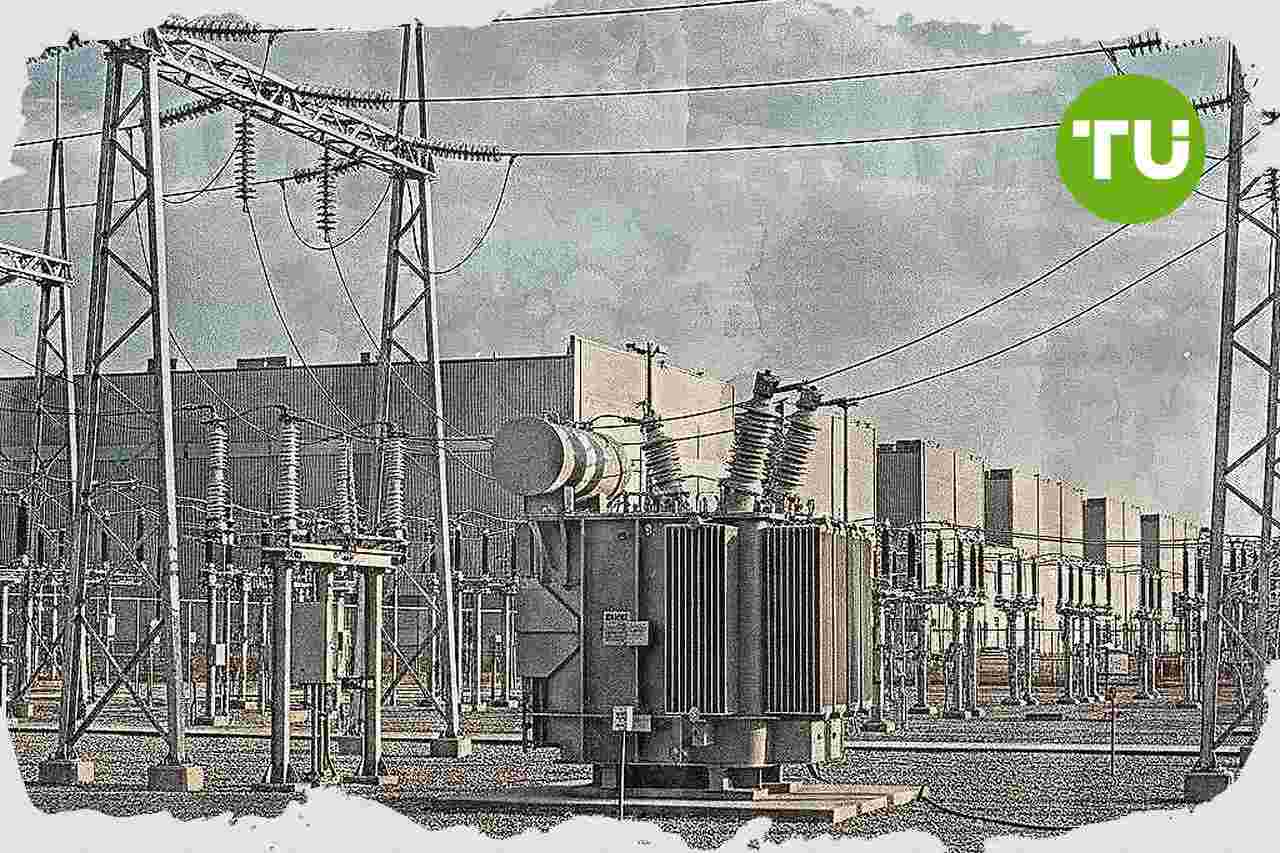
A sharp concentration of U.S. equity gains in a small group of AI-linked companies is increasing investor exposure to the sector's next phase, the physical buildout behind data centers and power supply. The analysis argues that grid constraints, interconnection delays and rising electricity costs are becoming critical variables for how the AI trade develops.
Highlights
- Data centers consumed about 415 terawatt-hours globally in 2024, with U.S. share at 45%, and projections show global use could reach 945 terawatt-hours by 2030.
- Nearly 2,300 gigawatts of capacity awaited U.S. grid connection in late 2024, yet just 13% of queued projects since 2000 reached operation by 2024, highlighting serious bottlenecks.
- PJM capacity market prices for 2026-27 surged to $329 per megawatt-day from $28.92, while Eaton and GE Vernova reported record data center equipment backlogs and orders.
Power demand emerges as core constraint
As reported by Weiss Ratings, the current AI boom is no longer only a software or valuation story, because its expansion increasingly depends on energy infrastructure that is slower and harder to scale. The note says data centers consumed about 415 terawatt-hours of electricity globally in 2024, equal to roughly 1.5% of total world demand, with the U.S. accounting for 45% of that usage.The analysis cites International Energy Agency projections showing global data center electricity consumption reaches about 945 terawatt-hours by 2030, roughly matching Japan's annual power use today. It also points to Lawrence Berkeley National Laboratory estimates that data centers could account for 12% of all U.S. electricity by 2028, while Virginia, the country's largest data center hub, is already seeing a rapidly rising share of demand from the sector.
The report says the central risk is whether the existing grid can absorb that increase. It argues that, unlike capital markets, energy systems cannot be expanded quickly, leaving AI investment exposed if physical delivery lags behind spending commitments.
Utilities and equipment groups stand to gain
The note highlights mounting evidence of strain across the U.S. grid connection process. It says the active interconnection queue held nearly 2,300 gigawatts of capacity seeking connection as of late 2024, more than the entire installed U.S. power plant fleet, and only 13% of projects entering the queue between 2000 and 2019 had reached commercial operation by the end of 2024.Texas and Virginia are presented as key examples. CenterPoint Energy reported a 700% increase in large-load interconnection requests between late 2023 and late 2024, rising from 1 gigawatt to 8 gigawatts, while developers in Virginia are facing project delays of as much as seven years for some data center developments. The analysis also notes PJM capacity market clearing prices jumped to $329 per megawatt-day for the 2026-27 delivery year from $28.92 previously, which it interprets as a market signal of scarcity.
Weiss Ratings says company order books are already reflecting the shift toward physical infrastructure providers. Eaton's chief executive said on the company's fourth-quarter 2025 earnings call that its data center backlog equals eleven years of what was built in 2025, while GE Vernova booked $2.4 billion in data center-related orders in the first quarter of 2026 alone, above its full-year 2025 total. The note argues that investors should watch businesses tied to power generation, transmission equipment, cooling systems and data center construction as AI spending moves deeper into real-world infrastructure.
Our earlier article on AI-driven inflation pressures explained that the current AI buildout is already pushing up costs for U.S. consumers through pricier electronics components, higher software subscription prices, and rising electricity bills tied to growing data center demand. It also noted that stronger power consumption from data centers could keep utility prices elevated and add to headline inflation gauges over the next few years, even if AI ultimately boosts productivity over the longer term.





Latest National Grid News




-
 Afghanistan
-
 Albania
-
 Algeria
-
 Angola
-
 Argentina
-
 Armenia
-
 Australia
-
 Austria
-
 Azerbaijan
-
 Bahamas
-
 Bahrain
-
 Bangladesh
-
 Belarus
-
 Belgium
-
 Bolivia
-
 Botswana
-
 Brazil
-
 Brunei
-
 Bulgaria
-
 Cambodia
-
 Cameroon
-
 Canada
-
 Chile
Chile
-
 China
China
-
 Colombia
-
 Congo
Congo
-
 Costa Rica
-
 Cote d'Ivoire
-
 Croatia
-
 Cuba
Cuba
-
 Cyprus
-
 Czechia
-
 DR Congo
-
 Denmark
-
 Dominican Republic
-
 Ecuador
-
 Egypt
Egypt
-
 El Salvador
-
 Estonia
-
 Eswatini
-
 Ethiopia
-
 Finland
-
 France
-
 Georgia
-
 Germany
-
 Ghana
Ghana
-
 Greece
-
 Haiti
Haiti
-
 Hong Kong
-
 Hungary
-
 India
India
-
 Indonesia
-
 Iran, Islamic republic
-
 Iraq
Iraq
-
 Ireland
-
 Israel
-
 Italy
Italy
-
 Jamaica
-
 Japan
Japan
-
 Jordan
-
 Kazakhstan
-
 Kenya
Kenya
-
 Korea
Korea
-
 Kuwait
-
 Kyrgyzstan
-
 Laos
Laos
-
 Latvia
-
 Lebanon
-
 Lesotho
-
 Libya
Libya
-
 Lithuania
-
 Luxembourg
-
 Madagascar
-
 Malaysia
-
 Malta
Malta
-
 Mauritius
-
 Mexico
-
 Moldova
-
 Mongolia
-
 Montenegro
-
 Morocco
-
 Mozambique
-
 Myanmar
-
 Namibia
-
 Nepal
Nepal
-
 Netherlands
-
 New Zealand
-
 Nigeria
-
 North Macedonia
-
 Norway
-
 Oman
Oman
-
 Pakistan
-
 Palestine
-
 Panama
-
 Papua New Guinea
-
 Paraguay
-
 Peru
Peru
-
 Philippines
-
 Poland
-
 Portugal
-
 Puerto Rico
-
 Qatar
Qatar
-
 Reunion
-
 Romania
-
 Rwanda
-
 Saudi Arabia
-
 Serbia
-
 Singapore
-
 Slovakia
-
 Slovenia
-
 Somalia
-
 South Africa
-
 Spain
Spain
-
 Sri Lanka
-
 Sweden
-
 Switzerland
-
 Syria
Syria
-
 Taiwan
-
 Tajikistan
-
 Tanzania
-
 Thailand
-
 Trinidad and Tobago
-
 Tunisia
-
 Turkey
-
 UAE
UAE
-
 Uganda
-
 Ukraine
-
 United Kingdom
-
United States
-
 Uruguay
-
 Uzbekistan
-
 Venezuela
-
 Vietnam
-
 Yemen
Yemen
-
 Zambia
-
 Zimbabwe
- Forex
- Crypto












