
U.S. Senate Democrats criticize renewed Russian oil sanctions relief
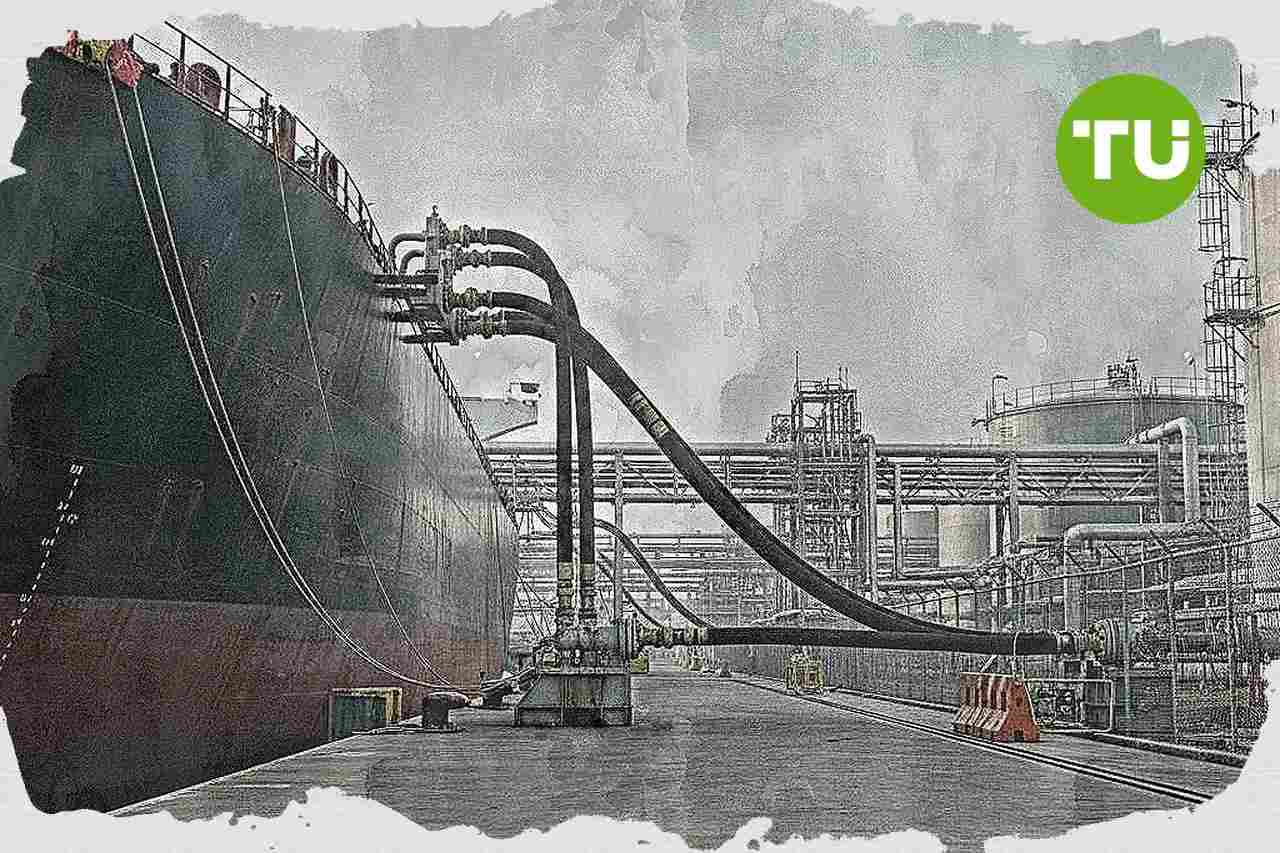
Pressure over U.S. sanctions policy on Russia is intensifying after the Treasury Department's temporary relief for Russian oil is extended again following the expiry of General License 134B on May 16, 2026. The dispute adds a political and economic dimension to Washington's Ukraine strategy as lawmakers argue the measure weakens pressure on the Kremlin without delivering clear benefits for U.S. consumers.
Highlights
- Senators Elizabeth Warren and Jeanne Shaheen criticize the Trump Administration's extension of Russian oil sanctions relief after General License 134B expired on May 16, 2026.
- The senators argue that repeated sanctions relief boosts Russian oil revenue, supporting its Ukraine war efforts and failing to lower U.S. gas prices or global market volatility.
- Warren and Shaheen warn that continued leniency could fuel further Russian aggression, referencing the recent deadly strike on Kyiv and threats to U.S. businesses in Ukraine.
Senators target extension after license expiry
As reported by the Senate Committee on Banking, Housing, and Urban Affairs, U.S. Senators Elizabeth Warren and Jeanne Shaheen issue a statement condemning the Trump Administration's latest extension of sanctions relief for Russian oil. Warren, the top Democrat on the Senate Banking, Housing, and Urban Affairs Committee, and Shaheen, the top Democrat on the Senate Foreign Relations Committee, say the move follows the expiration of General License 134B on May 16, 2026.The senators say the repeated use of what is described as temporary relief gives Russia added oil revenue that can support its war in Ukraine. They also argue the administration does not show that the policy is reducing costs for American families or bringing stability to global energy markets at a time when gas prices continue to rise and inflation spikes.
Ukraine war and energy market implications
The statement links the sanctions decision directly to the broader conflict in Ukraine, arguing that each additional dollar earned by the Kremlin helps finance the war. The senators also say the administration's stated concern for energy-vulnerable countries is undermined because the policy removes sanctions risk and helps Russia secure higher prices for its oil cargoes.Warren and Shaheen further point to Russia's recent attack on Kyiv, which they describe as one of the deadliest strikes on the Ukrainian capital last week, and accuse Moscow of continuing to target American businesses operating in Ukraine. They say continued leniency risks encouraging further aggression and pushes a just end to the war farther away.
Our earlier coverage of the U.S. sanctions waiver for Russian oil explained how the Trump administration repeatedly renewed a 30-day licence to let cargoes reach energy-vulnerable countries, arguing it could help stabilize tight crude markets as fuel prices surged. That report also noted growing political backlash, with Senators Jeanne Shaheen and Elizabeth Warren warning the waiver could boost Moscow’s revenues while showing little evidence of lowering costs for American families.








-
 Afghanistan
-
 Albania
-
 Algeria
-
 Angola
-
 Argentina
-
 Armenia
-
 Australia
-
 Austria
-
 Azerbaijan
-
 Bahamas
-
 Bahrain
-
 Bangladesh
-
 Belarus
-
 Belgium
-
 Bolivia
-
 Botswana
-
 Brazil
-
 Brunei
-
 Bulgaria
-
 Cambodia
-
 Cameroon
-
 Canada
-
 Chile
Chile
-
 China
China
-
 Colombia
-
 Congo
Congo
-
 Costa Rica
-
 Cote d'Ivoire
-
 Croatia
-
 Cuba
Cuba
-
 Cyprus
-
 Czechia
-
 DR Congo
-
 Denmark
-
 Dominican Republic
-
 Ecuador
-
 Egypt
Egypt
-
 El Salvador
-
 Estonia
-
 Eswatini
-
 Ethiopia
-
 Finland
-
 France
-
 Georgia
-
 Germany
-
 Ghana
Ghana
-
 Greece
-
 Haiti
Haiti
-
 Hong Kong
-
 Hungary
-
 India
India
-
 Indonesia
-
 Iran, Islamic republic
-
 Iraq
Iraq
-
 Ireland
-
 Israel
-
 Italy
Italy
-
 Jamaica
-
 Japan
Japan
-
 Jordan
-
 Kazakhstan
-
 Kenya
Kenya
-
 Korea
Korea
-
 Kuwait
-
 Kyrgyzstan
-
 Laos
Laos
-
 Latvia
-
 Lebanon
-
 Lesotho
-
 Libya
Libya
-
 Lithuania
-
 Luxembourg
-
 Madagascar
-
 Malaysia
-
 Malta
Malta
-
 Mauritius
-
 Mexico
-
 Moldova
-
 Mongolia
-
 Montenegro
-
 Morocco
-
 Mozambique
-
 Myanmar
-
 Namibia
-
 Nepal
Nepal
-
 Netherlands
-
 New Zealand
-
 Nigeria
-
 North Macedonia
-
 Norway
-
 Oman
Oman
-
 Pakistan
-
 Palestine
-
 Panama
-
 Papua New Guinea
-
 Paraguay
-
 Peru
Peru
-
 Philippines
-
 Poland
-
 Portugal
-
 Puerto Rico
-
 Qatar
Qatar
-
 Reunion
-
 Romania
-
 Rwanda
-
 Saudi Arabia
-
 Serbia
-
 Singapore
-
 Slovakia
-
 Slovenia
-
 Somalia
-
 South Africa
-
 Spain
Spain
-
 Sri Lanka
-
 Sweden
-
 Switzerland
-
 Syria
Syria
-
 Taiwan
-
 Tajikistan
-
 Tanzania
-
 Thailand
-
 Trinidad and Tobago
-
 Tunisia
-
 Turkey
-
 UAE
UAE
-
 Uganda
-
 Ukraine
-
 United Kingdom
-
United States
-
 Uruguay
-
 Uzbekistan
-
 Venezuela
-
 Vietnam
-
 Yemen
Yemen
-
 Zambia
-
 Zimbabwe
- Forex
- Crypto











