
U.S. power and utility stocks gain attention as AI data centers shift off-grid
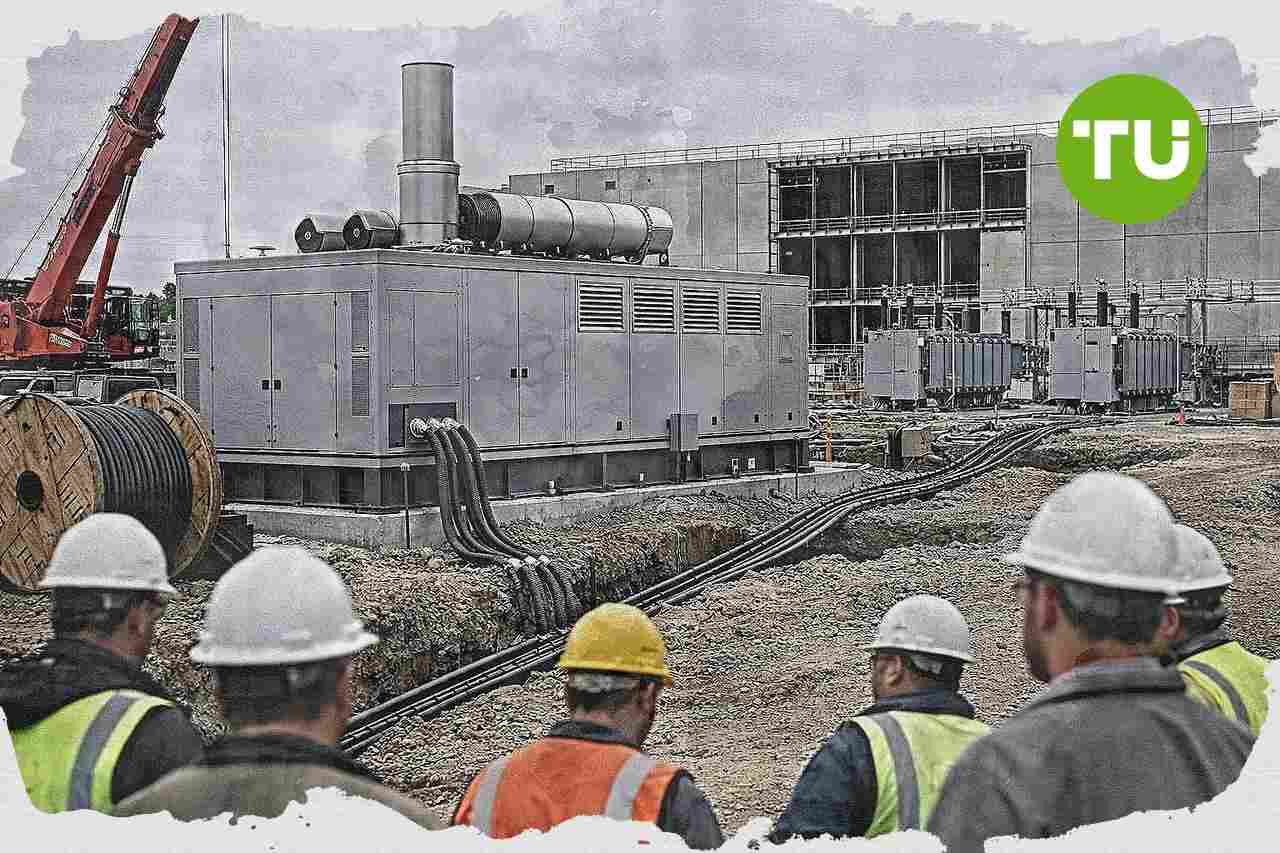
Rising electricity demand from artificial intelligence data centers is intensifying pressure on U.S. power infrastructure and reshaping how new computing capacity is financed and built. As grid constraints worsen, investors are increasingly focusing on utilities, gas suppliers and equipment makers positioned to benefit from on-site power development.
Highlights
- PJM Interconnection's capacity prices surged from $28.92 MW/day (2024-2025) to $329.17 MW/day (2026-2027) amid AI-driven demand and a 5.2% auction shortfall in December.
- Meta signed agreements for up to 6.6 GW of nuclear power over 20 years, Amazon committed over $20 billion to a Pennsylvania data campus, and Microsoft is restarting Three Mile Island.
- Dominion Energy, NextEra Energy, Kinder Morgan, Engie SA, and Siemens gain attention as dividend-paying beneficiaries of increased AI infrastructure spending in gas, nuclear, and equipment sectors.
Grid strain drives on-site power shift
As reported by Weiss Ratings, the rapid expansion of AI computing is colliding with limits in both chip supply and electricity infrastructure, with power emerging as one of the most immediate bottlenecks for data center growth. The report says global data centers will need $6.7 trillion in investment by 2030 to meet computing demand, while grid access in parts of the U.S. is becoming more difficult and costly.It points to mounting stress in the PJM Interconnection, the largest U.S. grid operator, where Bloomberg reports federal officials are considering a breakup as AI-related electricity demand pushes up consumer costs. Capacity prices rose from $28.92 MW/day in 2024-2025 to $329.17 MW/day for 2026-2027, and PJM's capacity auction failed to meet demand in December by 5.2%, according to the text.
The article says states are weighing rate reforms, tax incentive rollbacks and construction moratoriums as political opposition grows. It also cites a Gallup poll showing 71% oppose having a data center nearby, compared with 53% who oppose a nuclear plant.
Utilities and suppliers emerge as AI beneficiaries
With grid connection timelines stretching as long as 12 years in PJM, the article says developers are moving behind the meter by building generation directly at data center sites. It argues that combining small modular reactors with natural gas generation can reduce the timeline to about 24 months, helping explain why major hyperscalers have pursued nuclear power agreements over the past year.Among examples cited, Meta has signed agreements for up to 6.6 gigawatts of nuclear power over 20 years, Amazon has committed more than $20 billion for a Pennsylvania data campus, and Microsoft is restarting Three Mile Island. The text presents these moves as evidence that large technology companies are increasingly securing dedicated power supplies rather than relying solely on public grids.
Weiss Ratings highlights Dominion Energy, NextEra Energy, Kinder Morgan, Engie SA and Siemens as companies with exposure to this buildout through gas, nuclear or power equipment projects. The article frames them as dividend-paying alternatives for investors seeking to benefit from AI-related infrastructure demand without owning major semiconductor or software stocks.
Our earlier report on the U.S. Department of Energy’s $17.5 billion nuclear supply-chain loan package explained that the funding is aimed at early equipment procurement for multiple new reactor projects, signaling bipartisan momentum for expanding carbon-free baseload power. We also noted the package is small relative to the overall cost of building new large-scale reactors, meaning much larger and clearer financing commitments are still needed to deliver projects at scale.


Latest TopFX News






-
 Afghanistan
-
 Albania
-
 Algeria
-
 Angola
-
 Argentina
-
 Armenia
-
 Australia
-
 Austria
-
 Azerbaijan
-
 Bahamas
-
 Bahrain
-
 Bangladesh
-
 Belarus
-
 Belgium
-
 Bolivia
-
 Botswana
-
 Brazil
-
 Brunei
-
 Bulgaria
-
 Cambodia
-
 Cameroon
-
 Canada
-
 Chile
Chile
-
 China
China
-
 Colombia
-
 Congo
Congo
-
 Costa Rica
-
 Cote d'Ivoire
-
 Croatia
-
 Cuba
Cuba
-
 Cyprus
-
 Czechia
-
 DR Congo
-
 Denmark
-
 Dominican Republic
-
 Ecuador
-
 Egypt
Egypt
-
 El Salvador
-
 Estonia
-
 Eswatini
-
 Ethiopia
-
 Finland
-
 France
-
 Georgia
-
 Germany
-
 Ghana
Ghana
-
 Greece
-
 Haiti
Haiti
-
 Hong Kong
-
 Hungary
-
 India
India
-
 Indonesia
-
 Iran, Islamic republic
-
 Iraq
Iraq
-
 Ireland
-
 Israel
-
 Italy
Italy
-
 Jamaica
-
 Japan
Japan
-
 Jordan
-
 Kazakhstan
-
 Kenya
Kenya
-
 Korea
Korea
-
 Kuwait
-
 Kyrgyzstan
-
 Laos
Laos
-
 Latvia
-
 Lebanon
-
 Lesotho
-
 Libya
Libya
-
 Lithuania
-
 Luxembourg
-
 Madagascar
-
 Malaysia
-
 Malta
Malta
-
 Mauritius
-
 Mexico
-
 Moldova
-
 Mongolia
-
 Montenegro
-
 Morocco
-
 Mozambique
-
 Myanmar
-
 Namibia
-
 Nepal
Nepal
-
 Netherlands
-
 New Zealand
-
 Nigeria
-
 North Macedonia
-
 Norway
-
 Oman
Oman
-
 Pakistan
-
 Palestine
-
 Panama
-
 Papua New Guinea
-
 Paraguay
-
 Peru
Peru
-
 Philippines
-
 Poland
-
 Portugal
-
 Puerto Rico
-
 Qatar
Qatar
-
 Reunion
-
 Romania
-
 Rwanda
-
 Saudi Arabia
-
 Serbia
-
 Singapore
-
 Slovakia
-
 Slovenia
-
 Somalia
-
 South Africa
-
 Spain
Spain
-
 Sri Lanka
-
 Sweden
-
 Switzerland
-
 Syria
Syria
-
 Taiwan
-
 Tajikistan
-
 Tanzania
-
 Thailand
-
 Trinidad and Tobago
-
 Tunisia
-
 Turkey
-
 UAE
UAE
-
 Uganda
-
 Ukraine
-
 United Kingdom
-
United States
-
 Uruguay
-
 Uzbekistan
-
 Venezuela
-
 Vietnam
-
 Yemen
Yemen
-
 Zambia
-
 Zimbabwe
- Forex
- Crypto











