
U.S. nuclear financing plan marks initial step for reactor supply chain buildout
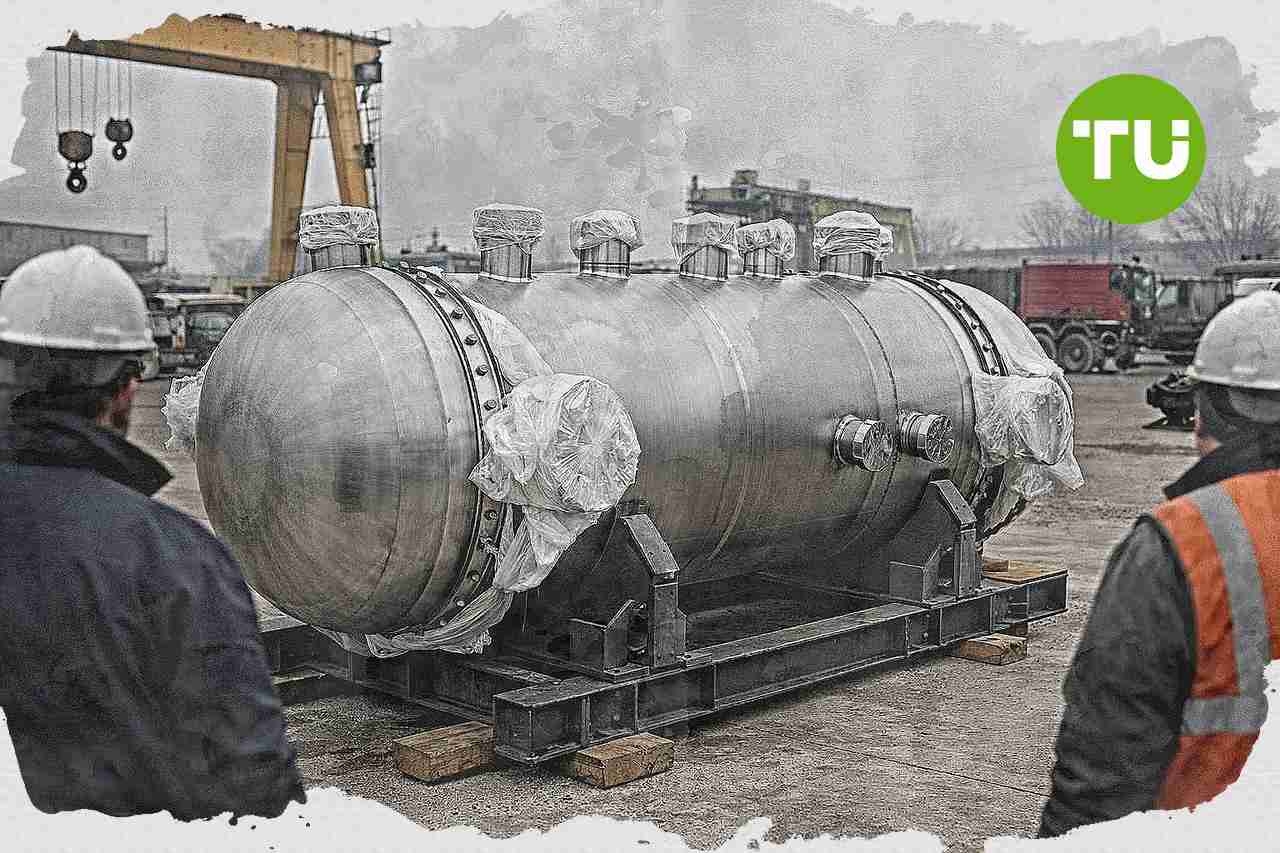
Bipartisan backing in Washington is sustaining efforts to expand nuclear generation as a large-scale source of carbon-free electricity. The Trump administration is now putting forward $17.5 billion in loans for nuclear supply chain purchases, but the package appears limited relative to the cost of planned reactor construction.
Highlights
- The U.S. Department of Energy announced $17.5 billion in loans targeting early equipment purchases for five projects with two reactors each.
- This financing marks the first tangible federal support for a nuclear supply chain buildout but does not cover full project costs.
- The loans follow a proposed $80 billion federal partnership for 10 Westinghouse AP1000 reactors, but broader, more substantial funding remains absent.
Loan package targets reactor equipment spending
As reported by Bloomberg, the U.S. Department of Energy has announced $17.5 billion in what it calls American nuclear supply chain loans to support upfront equipment purchases for five potential projects, each with two new reactors.The financing is aimed at early procurement needs rather than full project funding, making it a first concrete sign of federal backing for a broader nuclear expansion push. That leaves the package looking more like an initial installment than a complete financing solution for new large-scale plants.
Scale of funding remains small against buildout goals
The new loan plan follows a partnership with Westinghouse Electric Co. announced last year under which the federal government would in some form underwrite an $80 billion program to build 10 AP1000 reactors. The AP1000 is described as the only large-scale reactor design licensed to operate in the U.S. today.Even so, the structure of that earlier commitment remains unclear in the source text, and the latest loans appear to represent only its first tangible element. For the U.S. nuclear sector, that suggests policy support is in place, but much larger and clearer financing commitments are still needed if planned projects are to move ahead at scale.
In our earlier article on the House Energy and Commerce subcommittee hearing on critical mineral recycling, we covered lawmakers’ push to boost domestic recovery of strategic minerals from waste streams and contaminated site cleanups. The proposals focused on reducing regulatory barriers, improving federal coordination (including a larger EPA role), and cutting reliance on overseas processing by expanding U.S. recycling and processing capacity.


Latest Supply Chain News






-
 Afghanistan
-
 Albania
-
 Algeria
-
 Angola
-
 Argentina
-
 Armenia
-
 Australia
-
 Austria
-
 Azerbaijan
-
 Bahamas
-
 Bahrain
-
 Bangladesh
-
 Belarus
-
 Belgium
-
 Bolivia
-
 Botswana
-
 Brazil
-
 Brunei
-
 Bulgaria
-
 Cambodia
-
 Cameroon
-
 Canada
-
 Chile
Chile
-
 China
China
-
 Colombia
-
 Congo
Congo
-
 Costa Rica
-
 Cote d'Ivoire
-
 Croatia
-
 Cuba
Cuba
-
 Cyprus
-
 Czechia
-
 DR Congo
-
 Denmark
-
 Dominican Republic
-
 Ecuador
-
 Egypt
Egypt
-
 El Salvador
-
 Estonia
-
 Eswatini
-
 Ethiopia
-
 Finland
-
 France
-
 Georgia
-
 Germany
-
 Ghana
Ghana
-
 Greece
-
 Haiti
Haiti
-
 Hong Kong
-
 Hungary
-
 India
India
-
 Indonesia
-
 Iran, Islamic republic
-
 Iraq
Iraq
-
 Ireland
-
 Israel
-
 Italy
Italy
-
 Jamaica
-
 Japan
Japan
-
 Jordan
-
 Kazakhstan
-
 Kenya
Kenya
-
 Korea
Korea
-
 Kuwait
-
 Kyrgyzstan
-
 Laos
Laos
-
 Latvia
-
 Lebanon
-
 Lesotho
-
 Libya
Libya
-
 Lithuania
-
 Luxembourg
-
 Madagascar
-
 Malaysia
-
 Malta
Malta
-
 Mauritius
-
 Mexico
-
 Moldova
-
 Mongolia
-
 Montenegro
-
 Morocco
-
 Mozambique
-
 Myanmar
-
 Namibia
-
 Nepal
Nepal
-
 Netherlands
-
 New Zealand
-
 Nigeria
-
 North Macedonia
-
 Norway
-
 Oman
Oman
-
 Pakistan
-
 Palestine
-
 Panama
-
 Papua New Guinea
-
 Paraguay
-
 Peru
Peru
-
 Philippines
-
 Poland
-
 Portugal
-
 Puerto Rico
-
 Qatar
Qatar
-
 Reunion
-
 Romania
-
 Rwanda
-
 Saudi Arabia
-
 Serbia
-
 Singapore
-
 Slovakia
-
 Slovenia
-
 Somalia
-
 South Africa
-
 Spain
Spain
-
 Sri Lanka
-
 Sweden
-
 Switzerland
-
 Syria
Syria
-
 Taiwan
-
 Tajikistan
-
 Tanzania
-
 Thailand
-
 Trinidad and Tobago
-
 Tunisia
-
 Turkey
-
 UAE
UAE
-
 Uganda
-
 Ukraine
-
 United Kingdom
-
United States
-
 Uruguay
-
 Uzbekistan
-
 Venezuela
-
 Vietnam
-
 Yemen
Yemen
-
 Zambia
-
 Zimbabwe
- Forex
- Crypto











