
House Energy panel examines bills to expand U.S. critical mineral recovery and recycling
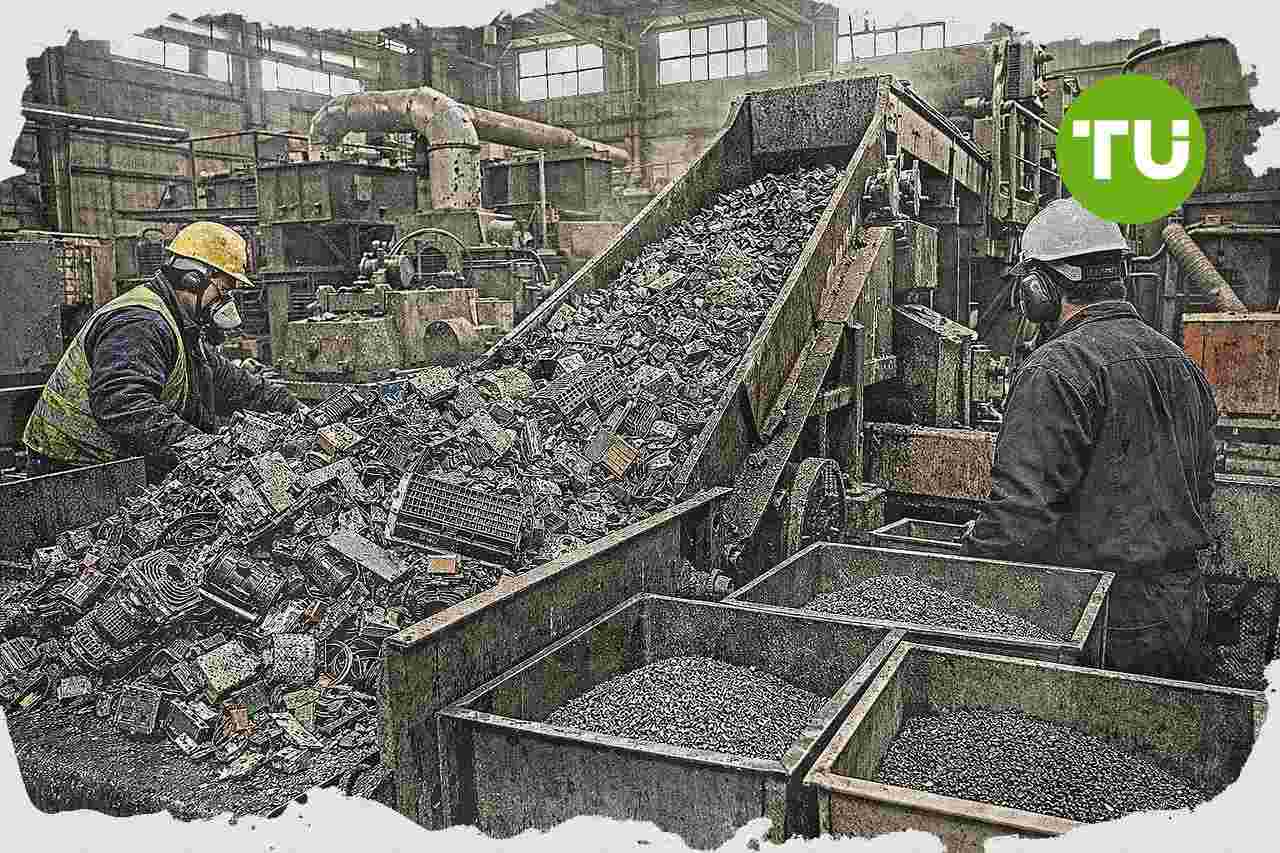
Lawmakers are focusing on domestic recovery of critical minerals from waste streams as supply chain risks and reliance on overseas processing remain a policy concern in the United States. A House Energy and Commerce subcommittee hearing is highlighting proposed legislation aimed at reducing regulatory barriers and improving federal coordination for recycling and reuse.
Highlights
- House Energy Subcommittee hearing discusses legislation to remove regulatory barriers and enhance federal coordination for domestic critical mineral recovery and supply chain resilience.
- Lawmakers emphasize U.S. needs new strategies and capacity to process critical mineral waste domestically, reducing reliance on shipments to China amid rising industrial demand.
- Witness testimony highlights technology capable of recovering over 90% of uranium and vanadium during contaminated site cleanup, suggesting EPA frameworks could shift investment economics.
Hearing centers on recycling policy and supply chain security
As reported by the House Committee on Energy and Commerce, the Subcommittee on Environment holds a hearing titled Trash to Treasure: Examining Legislation to Support Domestic Critical Mineral Recovery and Recycling, led by Chairman Gary Palmer. Palmer says removing regulatory barriers could help the U.S. recover more critical minerals from products already in the country, while stronger federal coordination is needed as China maintains influence over key supply chains.Palmer says the Environmental Protection Agency should play a larger role in efforts to secure fragile supply chains. He frames mineral recovery from existing waste and used products as part of a broader industrial and strategic response to external supply concentration.
Industry and regional implications for domestic processing
Members of the panel argue the legislation supports longer-term efforts to strengthen U.S. mining, processing and recycling capacity. Congressman John Joyce says the measures under review could help recover materials that would otherwise be discarded, particularly as advanced manufacturing and precision agriculture generate more waste containing valuable minerals.Joyce says the U.S. needs both a strategy and the capacity to process those materials domestically instead of sending waste to China. Congresswoman Mariannette Miller-Meeks says the country already has the material, technology and market need, but continues to ship critical minerals overseas for processing and then buy them back, calling the issue one of energy security and industrial competitiveness.
During the hearing, Congressman Bob Latta raises questions about whether contaminated site cleanup can incorporate mineral recovery rather than permanent disposal. Witness Buckingham says his company's technology can recover more than 90% of uranium and vanadium while reducing material to 20% of its original mass, and adds that an EPA framework recognizing the value of recoverable minerals could materially alter cleanup economics and investment decisions.
In our earlier report on the House Energy and Commerce Subcommittee on Environment hearing, lawmakers reviewed a package of bills to boost domestic recovery and recycling of critical minerals. The discussion emphasized cutting regulatory barriers, strengthening interagency coordination with a bigger EPA role, and treating contaminated sites and discarded materials as viable sources of strategic minerals to reduce supply-chain vulnerabilities, including reliance on China.




Latest Supply Chain News






-
 Afghanistan
-
 Albania
-
 Algeria
-
 Angola
-
 Argentina
-
 Armenia
-
 Australia
-
 Austria
-
 Azerbaijan
-
 Bahamas
-
 Bahrain
-
 Bangladesh
-
 Belarus
-
 Belgium
-
 Bolivia
-
 Botswana
-
 Brazil
-
 Brunei
-
 Bulgaria
-
 Cambodia
-
 Cameroon
-
 Canada
-
 Chile
Chile
-
 China
China
-
 Colombia
-
 Congo
Congo
-
 Costa Rica
-
 Cote d'Ivoire
-
 Croatia
-
 Cuba
Cuba
-
 Cyprus
-
 Czechia
-
 DR Congo
-
 Denmark
-
 Dominican Republic
-
 Ecuador
-
 Egypt
Egypt
-
 El Salvador
-
 Estonia
-
 Eswatini
-
 Ethiopia
-
 Finland
-
 France
-
 Georgia
-
 Germany
-
 Ghana
Ghana
-
 Greece
-
 Haiti
Haiti
-
 Hong Kong
-
 Hungary
-
 India
India
-
 Indonesia
-
 Iran, Islamic republic
-
 Iraq
Iraq
-
 Ireland
-
 Israel
-
 Italy
Italy
-
 Jamaica
-
 Japan
Japan
-
 Jordan
-
 Kazakhstan
-
 Kenya
Kenya
-
 Korea
Korea
-
 Kuwait
-
 Kyrgyzstan
-
 Laos
Laos
-
 Latvia
-
 Lebanon
-
 Lesotho
-
 Libya
Libya
-
 Lithuania
-
 Luxembourg
-
 Madagascar
-
 Malaysia
-
 Malta
Malta
-
 Mauritius
-
 Mexico
-
 Moldova
-
 Mongolia
-
 Montenegro
-
 Morocco
-
 Mozambique
-
 Myanmar
-
 Namibia
-
 Nepal
Nepal
-
 Netherlands
-
 New Zealand
-
 Nigeria
-
 North Macedonia
-
 Norway
-
 Oman
Oman
-
 Pakistan
-
 Palestine
-
 Panama
-
 Papua New Guinea
-
 Paraguay
-
 Peru
Peru
-
 Philippines
-
 Poland
-
 Portugal
-
 Puerto Rico
-
 Qatar
Qatar
-
 Reunion
-
 Romania
-
 Rwanda
-
 Saudi Arabia
-
 Serbia
-
 Singapore
-
 Slovakia
-
 Slovenia
-
 Somalia
-
 South Africa
-
 Spain
Spain
-
 Sri Lanka
-
 Sweden
-
 Switzerland
-
 Syria
Syria
-
 Taiwan
-
 Tajikistan
-
 Tanzania
-
 Thailand
-
 Trinidad and Tobago
-
 Tunisia
-
 Turkey
-
 UAE
UAE
-
 Uganda
-
 Ukraine
-
 United Kingdom
-
United States
-
 Uruguay
-
 Uzbekistan
-
 Venezuela
-
 Vietnam
-
 Yemen
Yemen
-
 Zambia
-
 Zimbabwe
- Forex
- Crypto











