
U.S. House panel reviews bills to expand domestic critical mineral recycling
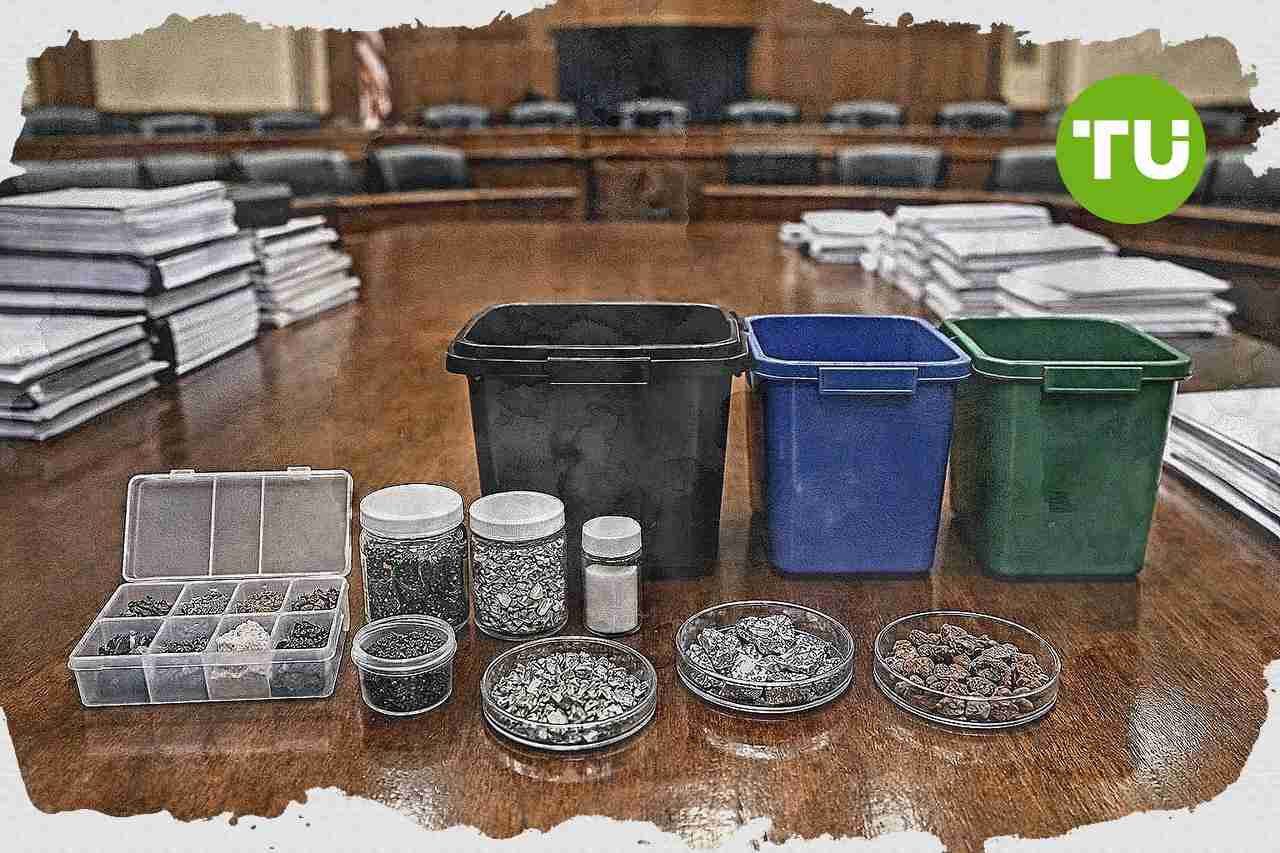
U.S. lawmakers are examining legislation aimed at strengthening domestic recovery and recycling of critical minerals as supply chain security remains a policy priority. The hearing focuses on reducing regulatory barriers, expanding interagency coordination and using contaminated and discarded materials as potential new sources of strategic minerals.
Highlights
- The House Energy and Commerce Subcommittee on Environment reviewed seven bills aimed at expanding domestic critical mineral recovery and recycling, with emphasis on regulatory clarity and EPA involvement.
- U.S. Geological Survey data show the U.S. is fully import-reliant for 13 of 60 critical minerals and imports over half of 20 other key minerals, driving legislative urgency.
- Testimony from industry, environmental, and legal experts will shape bipartisan legislation to mitigate geopolitical and domestic supply chain vulnerabilities, especially regarding China.
Hearing centers on recycling legislation
As reported by the House Committee on Energy and Commerce, Subcommittee on Environment Chairman Gary Palmer opened a hearing on seven bills designed to support domestic critical mineral recovery and recycling. He says the measures are intended to remove unnecessary obstacles to a stronger U.S. recycling industry, give the Environmental Protection Agency a larger interagency role and support cleanup of contaminated sites while identifying valuable materials for recovery.Palmer links the legislative push to a prior subcommittee hearing held a little over two months earlier on how major environmental laws affect access to minerals used in healthcare, defense, transportation, energy and telecommunications. He says discussion at that hearing showed the Resource Conservation and Recovery Act can act as a hindrance because of limited regulatory clarity, but also presents opportunities to support domestic supply chains.
In his prepared remarks, Palmer says Congress recognized as far back as 1976 that usable materials can be separated from solid waste and that recovery can reduce U.S. dependence on foreign resources. He also points to EPA programs, including the Environmental Monitoring and Remediation Technology Assessment, as evidence that the agency already has technical experience that can be applied to recovering critical minerals from waste and legacy mining sites.
Supply chain risks drive policy focus
Palmer cites U.S. Geological Survey data showing the United States is fully reliant on imports for 13 of the 60 mineral commodities on its 2025 critical minerals list and depends on imports for more than half of consumption of another 20 minerals. He says removing regulatory barriers could help the country recover a larger share of those materials from products and waste streams already inside the United States.The hearing also reflects growing concern in Washington over geopolitical supply risks, with Palmer saying adversaries such as China are willing and able to weaponize control of crucial supply chains. He argues that securing fragile supply chains requires coordination across the federal government and that EPA needs a formal seat at the table in that effort.
Four witnesses are appearing before the subcommittee, including David Klanecky, chief executive of Cirba Solutions, Jessica Dunn of the Union of Concerned Scientists, environmental attorney Aaron Goldberg of Beveridge and Diamond, and Greyson Buckingham of DISA Technologies. Their testimony is expected to inform bipartisan work on the discussion drafts as lawmakers seek agreement on legislation that can advance with support from both parties.
Our earlier article covered a Senate Energy and Natural Resources Committee hearing focused on how the administration plans to handle wildlife disease risks, conservation funding, and public land operations. Lawmakers questioned nominees on New World screwworm mitigation, stalled international conservation accounts, and whether staffing and budget reductions at agencies such as the National Park Service could weaken on-the-ground management. The hearing also touched on resource development issues, including concerns about local support and environmental uncertainty around deep-sea mining.





Latest Supply Chain News










-
 Afghanistan
-
 Albania
-
 Algeria
-
 Angola
-
 Argentina
-
 Armenia
-
 Australia
-
 Austria
-
 Azerbaijan
-
 Bahamas
-
 Bahrain
-
 Bangladesh
-
 Belarus
-
 Belgium
-
 Bolivia
-
 Botswana
-
 Brazil
-
 Brunei
-
 Bulgaria
-
 Cambodia
-
 Cameroon
-
 Canada
-
 Chile
Chile
-
 China
China
-
 Colombia
-
 Congo
Congo
-
 Costa Rica
-
 Cote d'Ivoire
-
 Croatia
-
 Cuba
Cuba
-
 Cyprus
-
 Czechia
-
 DR Congo
-
 Denmark
-
 Dominican Republic
-
 Ecuador
-
 Egypt
Egypt
-
 El Salvador
-
 Estonia
-
 Eswatini
-
 Ethiopia
-
 Finland
-
 France
-
 Georgia
-
 Germany
-
 Ghana
Ghana
-
 Greece
-
 Haiti
Haiti
-
 Hong Kong
-
 Hungary
-
 India
India
-
 Indonesia
-
 Iran, Islamic republic
-
 Iraq
Iraq
-
 Ireland
-
 Israel
-
 Italy
Italy
-
 Jamaica
-
 Japan
Japan
-
 Jordan
-
 Kazakhstan
-
 Kenya
Kenya
-
 Korea
Korea
-
 Kuwait
-
 Kyrgyzstan
-
 Laos
Laos
-
 Latvia
-
 Lebanon
-
 Lesotho
-
 Libya
Libya
-
 Lithuania
-
 Luxembourg
-
 Madagascar
-
 Malaysia
-
 Malta
Malta
-
 Mauritius
-
 Mexico
-
 Moldova
-
 Mongolia
-
 Montenegro
-
 Morocco
-
 Mozambique
-
 Myanmar
-
 Namibia
-
 Nepal
Nepal
-
 Netherlands
-
 New Zealand
-
 Nigeria
-
 North Macedonia
-
 Norway
-
 Oman
Oman
-
 Pakistan
-
 Palestine
-
 Panama
-
 Papua New Guinea
-
 Paraguay
-
 Peru
Peru
-
 Philippines
-
 Poland
-
 Portugal
-
 Puerto Rico
-
 Qatar
Qatar
-
 Reunion
-
 Romania
-
 Rwanda
-
 Saudi Arabia
-
 Serbia
-
 Singapore
-
 Slovakia
-
 Slovenia
-
 Somalia
-
 South Africa
-
 Spain
Spain
-
 Sri Lanka
-
 Sweden
-
 Switzerland
-
 Syria
Syria
-
 Taiwan
-
 Tajikistan
-
 Tanzania
-
 Thailand
-
 Trinidad and Tobago
-
 Tunisia
-
 Turkey
-
 UAE
UAE
-
 Uganda
-
 Ukraine
-
 United Kingdom
-
United States
-
 Uruguay
-
 Uzbekistan
-
 Venezuela
-
 Vietnam
-
 Yemen
Yemen
-
 Zambia
-
 Zimbabwe
- Forex
- Crypto











