
India EV sector opens to Chinese technology through supply deals
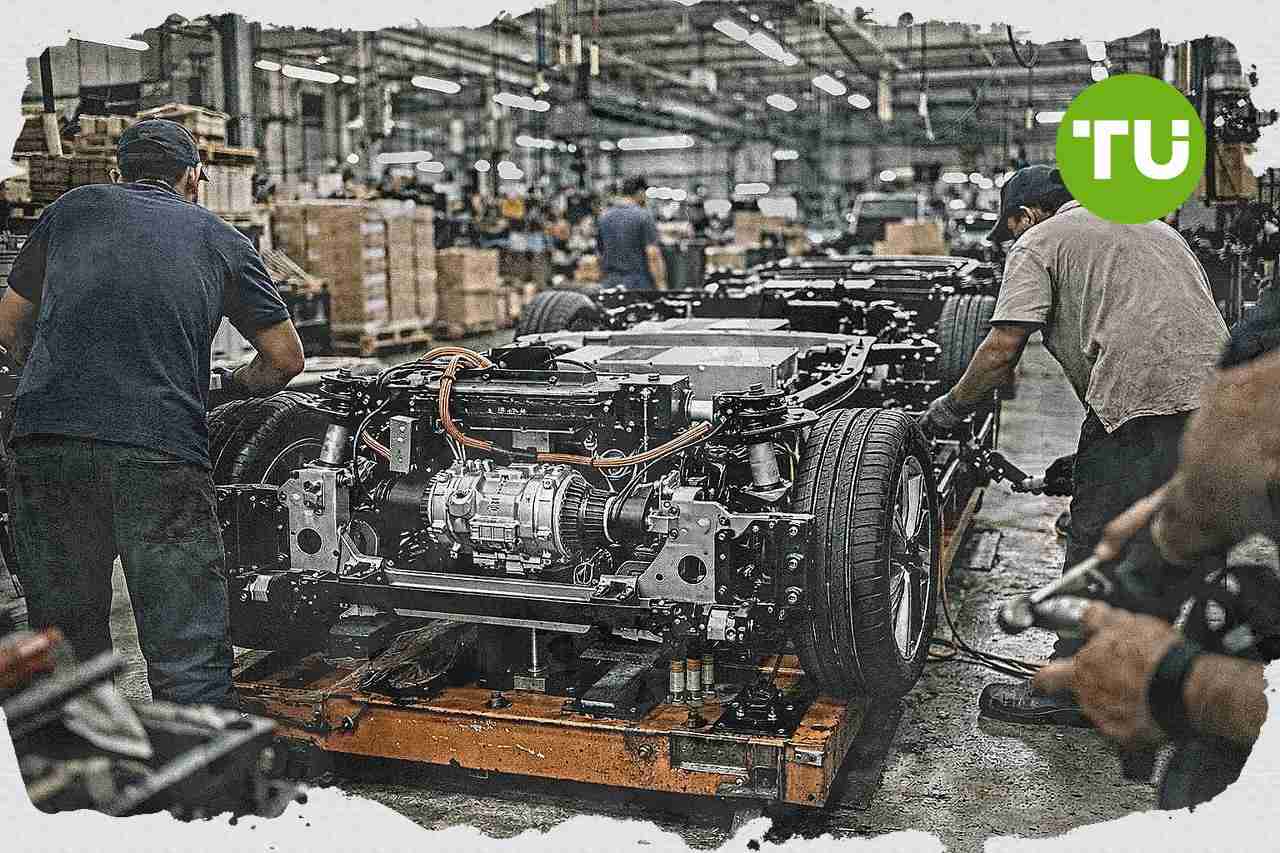
India is keeping Chinese automakers out of its domestic market, but Chinese electric-vehicle platforms and components are gaining ground through supply and licensing arrangements. The shift is giving Indian manufacturers faster access to EV capabilities while raising pressure on Japanese, Korean and European suppliers already competing in the country's auto industry.
Highlights
- Tata Motors will use Chery's vehicle platform to accelerate premium EV launches in India through a supply deal with no equity or technology transfer.
- JSW Motor secured access to multiple Chery platforms for hybrids and EVs in India via a 20 billion rupee ($209 million) upfront payment plus royalties, supporting its $3 billion venture targeting 300,000 vehicle sales by 2030.
- Supply and technology licensing deals with Chinese firms, such as Uno Minda's joint venture with Inovance, are expanding in India's EV sector despite ongoing investment restrictions and political sensitivity.
Supply partnerships reshape India's EV rollout
Tata Motors said earlier in June it will use Chery's vehicle platform to make premium EVs in India, giving the Indian automaker a faster route to launch new models in a market where speed and cost are becoming more important. As reported by Reuters, both companies describe the arrangement as a supply deal with no equity stake and no transfer of technology know-how to Tata, underlining the political sensitivity around India-China industrial ties.New Delhi has largely blocked Chinese companies from entering the market since 2020, after a border clash killed soldiers on both sides, and scrutiny of Chinese business activity remains elevated even as the two governments work to improve relations. Santosh Pai, a partner at Dentons Link Legal, said partnership with China is inevitable if India wants to expand manufacturing and play a bigger role in global supply chains.
For Tata, the Chery platform offers a quicker way to scale its EV portfolio, while the company plans over time to move from imported kits from China toward more locally developed components. A senior Indian government official said authorities support deals that can eventually lead to more local manufacturing or supply-chain shifts inside India.
Competitive pressure spreads across suppliers and rivals
Chinese manufacturers facing weaker demand at home and excess capacity are increasingly using such arrangements to generate revenue without breaching Beijing's tighter controls on exporting technical know-how. Analyst Gao Hua said Chinese firms see India as too important to ignore and are using supply deals to establish a foothold before competitors from other countries fill the gap.These partnerships are now appearing in segments long dominated by Japanese, Korean and European groups. Indian component maker Uno Minda, for example, has a joint venture with China's Inovance to produce EV powertrains in India, a field where Bosch, Nidec and Aptiv are already active.
Technology licensing between India and China gains momentum after the 2020 investment restrictions, although it has also faced setbacks. In 2025, Amara Raja ended its licensing deal with China's Gotion for lithium-ion cell technology after Beijing's export-control curbs, introduced in retaliation to Trump's tariffs, disrupted the arrangement. Executive director Vikramadithya Gourineni said all technical collaboration has stopped, though the company still imports equipment, battery cells and other materials from Chinese suppliers and struggles to secure enough visas for Chinese engineers.
JSW Motor has also agreed to a Chery partnership similar to Tata's, with sources familiar with the plans telling Reuters that JSW secured rights to use and adapt multiple Chery platforms for hybrids and EVs in India. The deal includes an upfront payment of about 20 billion rupees, or $209 million, plus royalties, and supports JSW's broader $3 billion vehicle venture targeting sales of 300,000 vehicles by 2030.
In our earlier article on the FCC’s $3.5 billion mid-band spectrum auction, we explained that most of the proceeds were expected to fund the agency’s “Rip and Replace” program. We noted that the initiative is designed to remove Huawei and other Chinese equipment from U.S. wireless networks, strengthening telecom security and reducing reliance on foreign infrastructure.





Latest Supply Chain News




-
 Afghanistan
-
 Albania
-
 Algeria
-
 Angola
-
 Argentina
-
 Armenia
-
 Australia
-
 Austria
-
 Azerbaijan
-
 Bahamas
-
 Bahrain
-
 Bangladesh
-
 Belarus
-
 Belgium
-
 Bolivia
-
 Botswana
-
 Brazil
-
 Brunei
-
 Bulgaria
-
 Cambodia
-
 Cameroon
-
 Canada
-
 Chile
Chile
-
 China
China
-
 Colombia
-
 Congo
Congo
-
 Costa Rica
-
 Cote d'Ivoire
-
 Croatia
-
 Cuba
Cuba
-
 Cyprus
-
 Czechia
-
 DR Congo
-
 Denmark
-
 Dominican Republic
-
 Ecuador
-
 Egypt
Egypt
-
 El Salvador
-
 Estonia
-
 Eswatini
-
 Ethiopia
-
 Finland
-
 France
-
 Georgia
-
 Germany
-
 Ghana
Ghana
-
 Greece
-
 Haiti
Haiti
-
 Hong Kong
-
 Hungary
-
 India
India
-
 Indonesia
-
 Iran, Islamic republic
-
 Iraq
Iraq
-
 Ireland
-
 Israel
-
 Italy
Italy
-
 Jamaica
-
 Japan
Japan
-
 Jordan
-
 Kazakhstan
-
 Kenya
Kenya
-
 Korea
Korea
-
 Kuwait
-
 Kyrgyzstan
-
 Laos
Laos
-
 Latvia
-
 Lebanon
-
 Lesotho
-
 Libya
Libya
-
 Lithuania
-
 Luxembourg
-
 Madagascar
-
 Malaysia
-
 Malta
Malta
-
 Mauritius
-
 Mexico
-
 Moldova
-
 Mongolia
-
 Montenegro
-
 Morocco
-
 Mozambique
-
 Myanmar
-
 Namibia
-
 Nepal
Nepal
-
 Netherlands
-
 New Zealand
-
 Nigeria
-
 North Macedonia
-
 Norway
-
 Oman
Oman
-
 Pakistan
-
 Palestine
-
 Panama
-
 Papua New Guinea
-
 Paraguay
-
 Peru
Peru
-
 Philippines
-
 Poland
-
 Portugal
-
 Puerto Rico
-
 Qatar
Qatar
-
 Reunion
-
 Romania
-
 Rwanda
-
 Saudi Arabia
-
 Serbia
-
 Singapore
-
 Slovakia
-
 Slovenia
-
 Somalia
-
 South Africa
-
 Spain
Spain
-
 Sri Lanka
-
 Sweden
-
 Switzerland
-
 Syria
Syria
-
 Taiwan
-
 Tajikistan
-
 Tanzania
-
 Thailand
-
 Trinidad and Tobago
-
 Tunisia
-
 Turkey
-
 UAE
UAE
-
 Uganda
-
 Ukraine
-
 United Kingdom
-
United States
-
 Uruguay
-
 Uzbekistan
-
 Venezuela
-
 Vietnam
-
 Yemen
Yemen
-
 Zambia
-
 Zimbabwe
- Forex
- Crypto











