
Digital euro gains momentum as Europe seeks payment independence
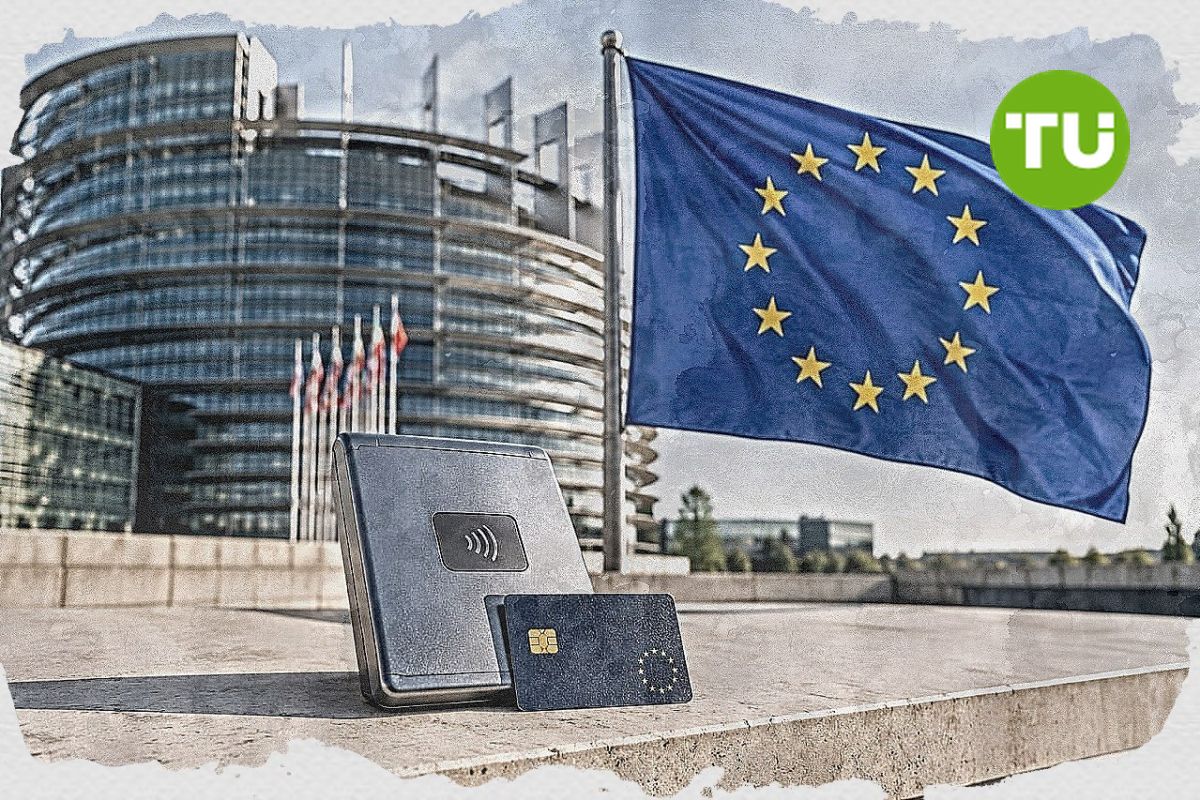
European Union lawmakers moved the digital euro closer to reality on Tuesday, backing a legal framework for both online and offline versions of the currency. The vote in the European Parliament’s ECON committee opens the way for talks with EU governments and the European Commission, as the European Central Bank targets a possible rollout by 2029.
Highlights
- EU lawmakers backed the legal framework for the digital euro.
- The plan includes both online and offline versions.
- The ECB is aiming for a possible 2029 rollout.
- Cash would remain legal tender, with the digital euro designed as an additional payment option.
A step toward final talks
The committee vote gives Parliament a negotiating position on the single currency package, which covers the digital euro and protections for physical cash, Bloomberg reports. The ECB welcomed the move, saying the package would safeguard euro cash as legal tender while shaping the digital euro.
The digital euro would be a central bank-backed electronic form of cash, available across the euro area and designed to complement notes and coins, not replace them. The ECB says it wants to be ready for a potential first issuance during 2029, assuming EU legislation is adopted in 2026.
The Council of the EU agreed its own position in December 2025. It said the digital euro should work online and offline, be usable without an internet connection and coexist with private payment services.
Cash, privacy and control
One of the main disputes in Parliament was whether the EU should build both versions from the start. Rapporteur Fernando Navarrete had earlier favored an offline version first, with an online version only later if private-sector alternatives failed to arrive on time. The ECB pushed for both, arguing that the two versions are needed for the currency to function more like cash in a digital economy.
Navarrete said the aim is not to force users away from physical money, but to offer another secure European option. The ECB has also stressed that the digital euro should protect freedom of payment and sit alongside cash.
Europe’s payment independence test
The project has become more urgent as Europe worries about dependence on U.S. payment companies such as Visa and Mastercard, and about the rise of mostly dollar-based stablecoins. The ECB says there is no European digital payment option covering the entire euro area, with many countries still relying on international card networks.
That is why the digital euro is more than a technical upgrade. It is a sovereignty project. A successful rollout could give households and businesses a public payment option backed by the central bank, usable across the euro area and resilient during outages. Failure would leave Europe more dependent on private and foreign-controlled payment rails at a time when digital money is becoming a geopolitical issue.
Earlier, we reported that ECB begins preparations to roll out digital euro via ATMs and payment terminals.





Latest Europe News







-
 Afghanistan
-
 Albania
-
 Algeria
-
 Angola
-
 Argentina
-
 Armenia
-
 Australia
-
 Austria
-
 Azerbaijan
-
 Bahamas
-
 Bahrain
-
 Bangladesh
-
 Belarus
-
 Belgium
-
 Bolivia
-
 Botswana
-
 Brazil
-
 Brunei
-
 Bulgaria
-
 Cambodia
-
 Cameroon
-
 Canada
-
 Chile
Chile
-
 China
China
-
 Colombia
-
 Congo
Congo
-
 Costa Rica
-
 Cote d'Ivoire
-
 Croatia
-
 Cuba
Cuba
-
 Cyprus
-
 Czechia
-
 DR Congo
-
 Denmark
-
 Dominican Republic
-
 Ecuador
-
 Egypt
Egypt
-
 El Salvador
-
 Estonia
-
 Eswatini
-
 Ethiopia
-
 Finland
-
 France
-
 Georgia
-
 Germany
-
 Ghana
Ghana
-
 Greece
-
 Haiti
Haiti
-
 Hong Kong
-
 Hungary
-
 India
India
-
 Indonesia
-
 Iran, Islamic republic
-
 Iraq
Iraq
-
 Ireland
-
 Israel
-
 Italy
Italy
-
 Jamaica
-
 Japan
Japan
-
 Jordan
-
 Kazakhstan
-
 Kenya
Kenya
-
 Korea
Korea
-
 Kuwait
-
 Kyrgyzstan
-
 Laos
Laos
-
 Latvia
-
 Lebanon
-
 Lesotho
-
 Libya
Libya
-
 Lithuania
-
 Luxembourg
-
 Madagascar
-
 Malaysia
-
 Malta
Malta
-
 Mauritius
-
 Mexico
-
 Moldova
-
 Mongolia
-
 Montenegro
-
 Morocco
-
 Mozambique
-
 Myanmar
-
 Namibia
-
 Nepal
Nepal
-
 Netherlands
-
 New Zealand
-
 Nigeria
-
 North Macedonia
-
 Norway
-
 Oman
Oman
-
 Pakistan
-
 Palestine
-
 Panama
-
 Papua New Guinea
-
 Paraguay
-
 Peru
Peru
-
 Philippines
-
 Poland
-
 Portugal
-
 Puerto Rico
-
 Qatar
Qatar
-
 Reunion
-
 Romania
-
 Rwanda
-
 Saudi Arabia
-
 Serbia
-
 Singapore
-
 Slovakia
-
 Slovenia
-
 Somalia
-
 South Africa
-
 Spain
Spain
-
 Sri Lanka
-
 Sweden
-
 Switzerland
-
 Syria
Syria
-
 Taiwan
-
 Tajikistan
-
 Tanzania
-
 Thailand
-
 Trinidad and Tobago
-
 Tunisia
-
 Turkey
-
 UAE
UAE
-
 Uganda
-
 Ukraine
-
 United Kingdom
-
United States
-
 Uruguay
-
 Uzbekistan
-
 Venezuela
-
 Vietnam
-
 Yemen
Yemen
-
 Zambia
-
 Zimbabwe
- Forex
- Crypto











