
Denmark backs EU-funded deportation hubs outside Europe as migration policy tightens
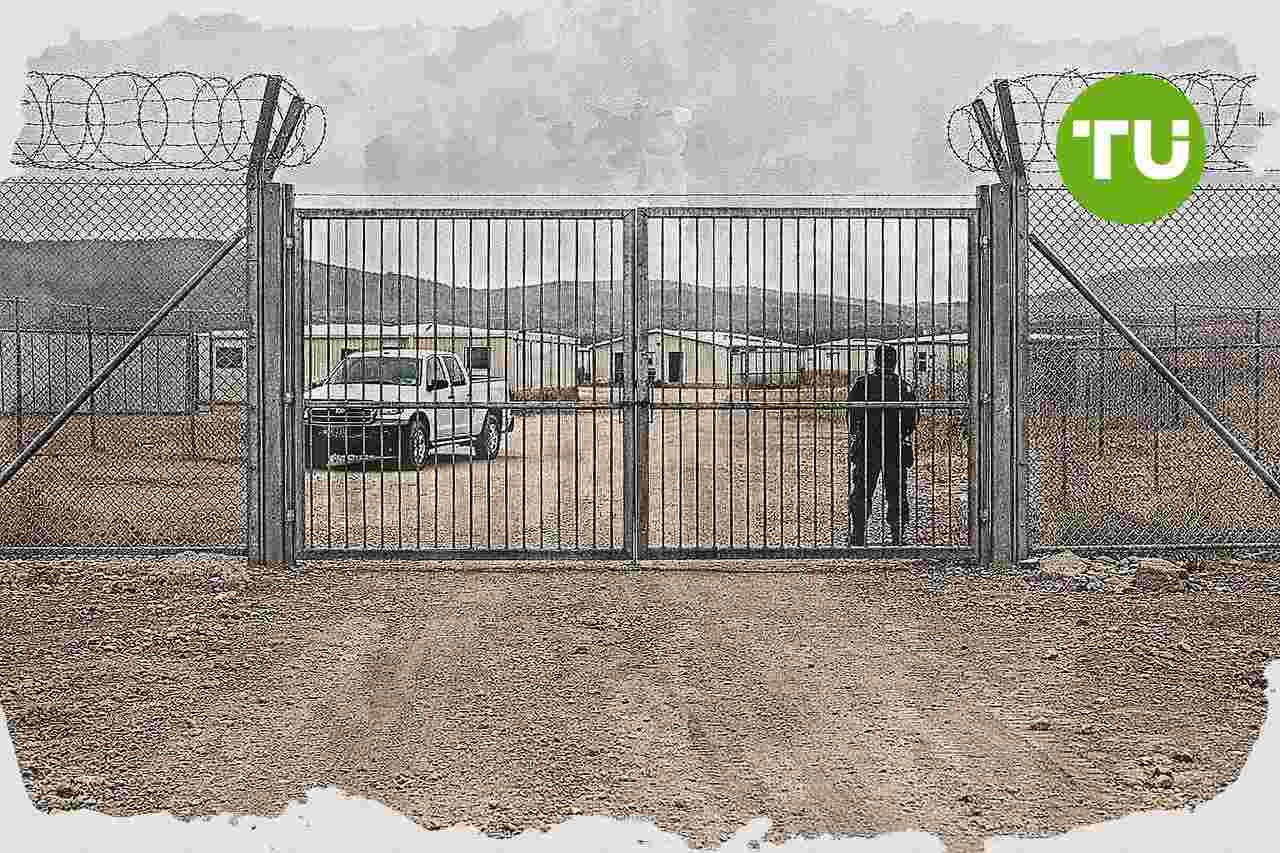
European governments are moving closer to offshore migrant return centres as pressure builds for tougher border and asylum policies across the bloc. Denmark's prime minister says a first EU-backed hub outside Europe could be established within the next year if member states advance a joint proposal.
Highlights
- Denmark seeks European Commission funding for deportation centres in non-EU countries, targeting the first return hub outside Europe by 2026-27.
- Frederiksen's statement follows support from 19 EU countries for offshore migration policies using the EU budget, despite France's opposition and political divisions.
- A European Court of Justice adviser says the Albanian offshore centre could comply with EU law if human rights standards apply, but a final court ruling is pending.
Commission-backed plans take shape
As reported by the Financial Times, Danish Prime Minister Mette Frederiksen says work is under way to secure European Commission funding for deportation centres in non-EU countries, with a coalition of member states expected to push the plan forward. She says the first "return hub" outside Europe could emerge in 2026-27 and adds that progress could come within the next year.The proposal reflects a broader shift in European migration policy, as governments that once treated offshore processing as politically unacceptable increasingly support it. Denmark has been among the earliest advocates of the model, and in 2021 opened talks with Rwanda on a centre for asylum seekers before suspending those plans after political backlash and legal and human rights concerns.
Frederiksen's comments come days after 19 EU countries backed offshore migration policies modelled on Italy's centre in Albania, created in 2024, and said such schemes should draw on the EU budget. A European Commission spokesperson says the legal framework is now in place and that the next step rests with member states, while Brussels stands ready to assess any mature proposal.
Political divisions and legal scrutiny grow
Support for the hubs is still far from unanimous inside the EU. France remains opposed, with President Emmanuel Macron saying last week that he has not seen a return hub "that works" and that he rejects the use of EU budget funds for such arrangements.The legal position is also still developing. Earlier this month, a senior adviser to the European Court of Justice says the Albanian scheme could be compatible with EU law if EU human rights rules are applied to people held there, although the court has yet to issue a final ruling.
Frederiksen rejects criticism from fellow social democrats and says any offshore centre must comply with international law and operate on European conditions. She says the hubs should potentially handle both rejected asylum seekers who cannot be returned home and some incoming asylum seekers, though she acknowledges that the final scope of the policy has not yet been settled.
In our earlier coverage of Keir Starmer’s resignation, we examined how ongoing political instability in the UK has been shaped by post-Brexit fragmentation and voter unease, with immigration policy becoming a central flashpoint. We also noted that tougher settlement rules and leadership uncertainty were feeding public discontent and keeping markets wary about the direction of the next government.


Latest ECJ News




-
 Afghanistan
-
 Albania
-
 Algeria
-
 Angola
-
 Argentina
-
 Armenia
-
 Australia
-
 Austria
-
 Azerbaijan
-
 Bahamas
-
 Bahrain
-
 Bangladesh
-
 Belarus
-
 Belgium
-
 Bolivia
-
 Botswana
-
 Brazil
-
 Brunei
-
 Bulgaria
-
 Cambodia
-
 Cameroon
-
 Canada
-
 Chile
Chile
-
 China
China
-
 Colombia
-
 Congo
Congo
-
 Costa Rica
-
 Cote d'Ivoire
-
 Croatia
-
 Cuba
Cuba
-
 Cyprus
-
 Czechia
-
 DR Congo
-
 Denmark
-
 Dominican Republic
-
 Ecuador
-
 Egypt
Egypt
-
 El Salvador
-
 Estonia
-
 Eswatini
-
 Ethiopia
-
 Finland
-
 France
-
 Georgia
-
 Germany
-
 Ghana
Ghana
-
 Greece
-
 Haiti
Haiti
-
 Hong Kong
-
 Hungary
-
 India
India
-
 Indonesia
-
 Iran, Islamic republic
-
 Iraq
Iraq
-
 Ireland
-
 Israel
-
 Italy
Italy
-
 Jamaica
-
 Japan
Japan
-
 Jordan
-
 Kazakhstan
-
 Kenya
Kenya
-
 Korea
Korea
-
 Kuwait
-
 Kyrgyzstan
-
 Laos
Laos
-
 Latvia
-
 Lebanon
-
 Lesotho
-
 Libya
Libya
-
 Lithuania
-
 Luxembourg
-
 Madagascar
-
 Malaysia
-
 Malta
Malta
-
 Mauritius
-
 Mexico
-
 Moldova
-
 Mongolia
-
 Montenegro
-
 Morocco
-
 Mozambique
-
 Myanmar
-
 Namibia
-
 Nepal
Nepal
-
 Netherlands
-
 New Zealand
-
 Nigeria
-
 North Macedonia
-
 Norway
-
 Oman
Oman
-
 Pakistan
-
 Palestine
-
 Panama
-
 Papua New Guinea
-
 Paraguay
-
 Peru
Peru
-
 Philippines
-
 Poland
-
 Portugal
-
 Puerto Rico
-
 Qatar
Qatar
-
 Reunion
-
 Romania
-
 Rwanda
-
 Saudi Arabia
-
 Serbia
-
 Singapore
-
 Slovakia
-
 Slovenia
-
 Somalia
-
 South Africa
-
 Spain
Spain
-
 Sri Lanka
-
 Sweden
-
 Switzerland
-
 Syria
Syria
-
 Taiwan
-
 Tajikistan
-
 Tanzania
-
 Thailand
-
 Trinidad and Tobago
-
 Tunisia
-
 Turkey
-
 UAE
UAE
-
 Uganda
-
 Ukraine
-
 United Kingdom
-
United States
-
 Uruguay
-
 Uzbekistan
-
 Venezuela
-
 Vietnam
-
 Yemen
Yemen
-
 Zambia
-
 Zimbabwe
- Forex
- Crypto











