
UK political turnover risk sharpens after Starmer resignation

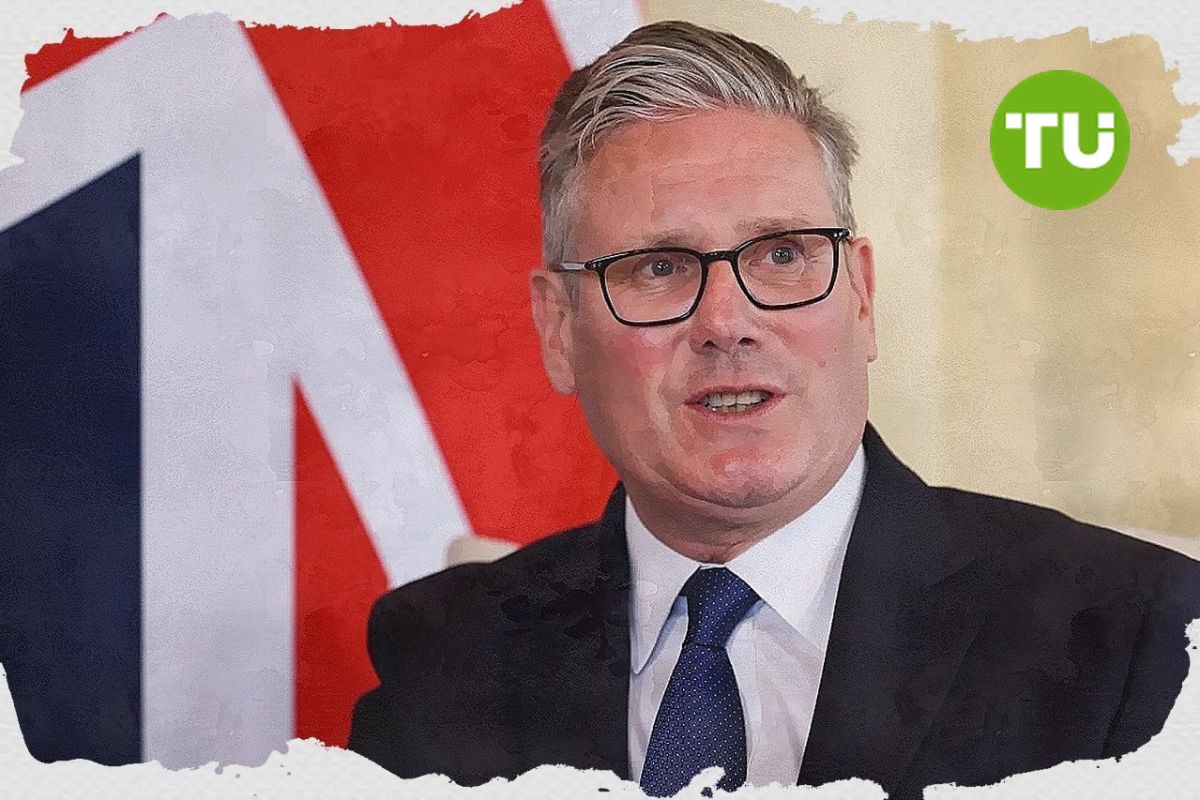
Britain faces another leadership transition as Keir Starmer prepares to leave Downing Street after two years in office, extending a period of political churn since the Brexit vote. In his Camden constituency, reactions suggest limited enthusiasm for his premiership, with immigration policy and perceived competence emerging as key voter concerns.
Highlights
- Keir Starmer's resignation triggers constituent concerns about UK political instability after five prime ministers since 2016.
- YouGov poll shows 44 percent of Britons support Andy Burnham as Labour leader, but 43 percent expect little or no change from him.
- Local business staff criticize immigration rules introduced under Shabana Mahmood for reducing clarity and fueling voter and immigrant discontent in Starmer's constituency.
Camden reaction and succession debate
As reported by Financial Times, residents in Starmer’s Holborn and St Pancras constituency react to the resignation with a mix of frustration, indifference and muted concern about yet another change at the top of UK politics. One voter near Camden Town underground station says Britain cannot keep changing prime minister, reflecting anxiety about continued instability after five prime ministers since David Cameron stepped down in 2016.Some residents also question the prospect of Andy Burnham taking over so soon after his Makerfield by-election victory on Thursday. While YouGov polling published on Friday finds that 44 percent of Britons agree Burnham should challenge for the Labour leadership, the same survey shows 43 percent believe he would represent either little change or no real change at all.
Immigration policy adds to voter discontent
On Camden High Street, criticism of Starmer’s record centers in part on immigration rules introduced under home secretary Shabana Mahmood. The restrictions on the right to remain in the UK are intended to blunt the threat from Reform UK among voters with a harder line on immigration, but they are drawing complaints locally from people who say the system lacks clarity and unfairly changes expectations for those already in the country.Staff at local businesses and market stalls say the revised settlement process is difficult to understand and politically alienating. One worker who moved from Nepal in 2023 says parties repeatedly target immigrants, while another local shop employee offers only mild criticism of Starmer’s flexibility and a nearby retail assistant says he still likes the prime minister personally, underscoring the gap between dissatisfaction with government performance and stronger emotional support.
Our earlier coverage of Keir Starmer’s resignation explained how the UK’s rapid turnover of prime ministers has been fueled by post-Brexit political fragmentation and long-running economic pressures, including stagnant living standards and rising debt. We also outlined how Starmer’s planned exit set up another leadership transition by September, with Andy Burnham emerging as a leading contender, while markets remained cautious amid uncertainty about the next government’s direction.





Latest UK News









-
 Afghanistan
-
 Albania
-
 Algeria
-
 Angola
-
 Argentina
-
 Armenia
-
 Australia
-
 Austria
-
 Azerbaijan
-
 Bahamas
-
 Bahrain
-
 Bangladesh
-
 Belarus
-
 Belgium
-
 Bolivia
-
 Botswana
-
 Brazil
-
 Brunei
-
 Bulgaria
-
 Cambodia
-
 Cameroon
-
 Canada
-
 Chile
Chile
-
 China
China
-
 Colombia
-
 Congo
Congo
-
 Costa Rica
-
 Cote d'Ivoire
-
 Croatia
-
 Cuba
Cuba
-
 Cyprus
-
 Czechia
-
 DR Congo
-
 Denmark
-
 Dominican Republic
-
 Ecuador
-
 Egypt
Egypt
-
 El Salvador
-
 Estonia
-
 Eswatini
-
 Ethiopia
-
 Finland
-
 France
-
 Georgia
-
 Germany
-
 Ghana
Ghana
-
 Greece
-
 Haiti
Haiti
-
 Hong Kong
-
 Hungary
-
 India
India
-
 Indonesia
-
 Iran, Islamic republic
-
 Iraq
Iraq
-
 Ireland
-
 Israel
-
 Italy
Italy
-
 Jamaica
-
 Japan
Japan
-
 Jordan
-
 Kazakhstan
-
 Kenya
Kenya
-
 Korea
Korea
-
 Kuwait
-
 Kyrgyzstan
-
 Laos
Laos
-
 Latvia
-
 Lebanon
-
 Lesotho
-
 Libya
Libya
-
 Lithuania
-
 Luxembourg
-
 Madagascar
-
 Malaysia
-
 Malta
Malta
-
 Mauritius
-
 Mexico
-
 Moldova
-
 Mongolia
-
 Montenegro
-
 Morocco
-
 Mozambique
-
 Myanmar
-
 Namibia
-
 Nepal
Nepal
-
 Netherlands
-
 New Zealand
-
 Nigeria
-
 North Macedonia
-
 Norway
-
 Oman
Oman
-
 Pakistan
-
 Palestine
-
 Panama
-
 Papua New Guinea
-
 Paraguay
-
 Peru
Peru
-
 Philippines
-
 Poland
-
 Portugal
-
 Puerto Rico
-
 Qatar
Qatar
-
 Reunion
-
 Romania
-
 Rwanda
-
 Saudi Arabia
-
 Serbia
-
 Singapore
-
 Slovakia
-
 Slovenia
-
 Somalia
-
 South Africa
-
 Spain
Spain
-
 Sri Lanka
-
 Sweden
-
 Switzerland
-
 Syria
Syria
-
 Taiwan
-
 Tajikistan
-
 Tanzania
-
 Thailand
-
 Trinidad and Tobago
-
 Tunisia
-
 Turkey
-
 UAE
UAE
-
 Uganda
-
 Ukraine
-
 United Kingdom
-
United States
-
 Uruguay
-
 Uzbekistan
-
 Venezuela
-
 Vietnam
-
 Yemen
Yemen
-
 Zambia
-
 Zimbabwe
- Forex
- Crypto












