
SpaceX shares slide as valuation questions grow
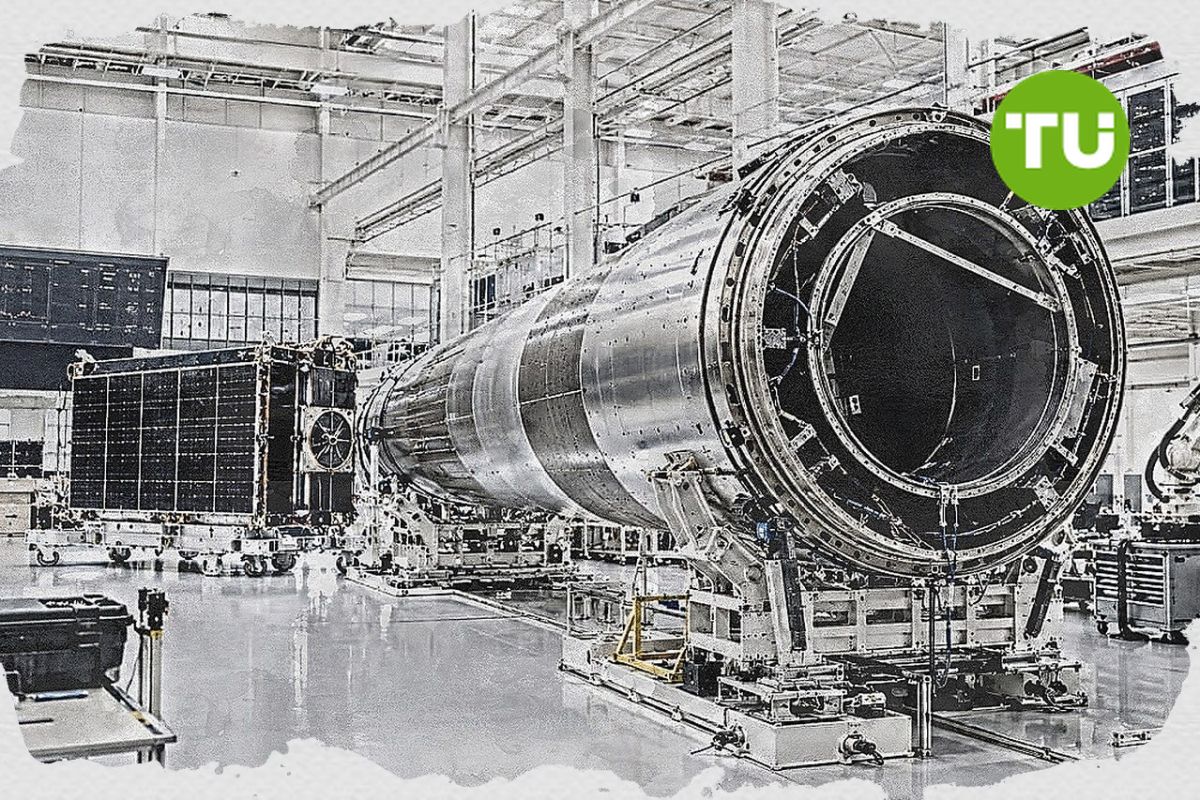
SpaceX shares fell again in premarket trading on Monday, extending a pullback that has cooled one of the most closely watched IPO rallies in recent market history. The decline shows how quickly investor enthusiasm has started to meet questions about valuation, losses and the company’s widening ambitions beyond space.
Highlights
- SpaceX shares fell 4.32% in Monday premarket trading.
- The stock remains up 37% from its $135 IPO price.
- Shares dropped 5% and 3.6% in the prior two full trading days.
- The company posted a $4.9 billion net loss in 2025.
Rally gives way to selling
On Monday, SpaceX shares fell 3.56%, extending a selloff that began after the stock surged in its first trading sessions following the company’s market debut. The shares had fallen 5% on Wednesday and another 3.6% on Thursday before the Juneteenth holiday pause on Friday, CNBC reports.
The stock remains well above its IPO price. SpaceX went public on June 12 at $135 a share, and even after the recent pullback it was still up 37% from the offering price. But the retreat has erased much of the paper gain for investors who bought in the open market after the debut.
The early rally briefly pushed SpaceX’s market value above Amazon and, for a short period, Microsoft, placing Elon Musk’s company among the world’s most valuable listed businesses. IPO raised tens of billions of dollars, making it one of the largest offerings ever and intensifying comparisons with past landmark listings.
Valuation questions return
The selloff reflects a familiar post-IPO pattern: a limited supply of shares, intense retail demand and a strong brand can drive an explosive first move, but the market eventually tests the numbers behind the story. SpaceX reported a $4.9 billion net loss in 2025 and lost $4.28 billion in the first quarter of this year.
Investors are betting that Musk can turn SpaceX’s launch business, Starlink satellite network and artificial-intelligence exposure into long-term returns. But the current valuation leaves little room for disappointment. Analysts and market commentators have pointed to concerns about the company’s high revenue multiple, future share supply and whether investor enthusiasm can remain strong after the initial scarcity fades.
The company’s expansion into artificial intelligence has also added complexity to the investment case. SpaceX is no longer being judged only as a rocket and satellite company; investors are increasingly weighing how its AI-related ambitions affect capital needs, earnings visibility and execution risk.
A test for the new SpaceX market
The next phase of trading will show whether SpaceX can hold a premium usually reserved for the largest and most profitable technology companies. The company’s public-market debut made Musk the world’s first trillionaire and turned many early shareholders into millionaires.
But the pullback also highlights the tension at the center of the stock. SpaceX is being valued as a dominant technology platform, while its financial results still reflect heavy spending and large losses. For investors, the question is whether future growth in Starlink, space launch, and AI can justify a valuation that, briefly put the company above some of the most established names in global technology.
We also reported how Musk built his fortune on electric cars, space and AI.





Latest SpaceX News






-
 Afghanistan
-
 Albania
-
 Algeria
-
 Angola
-
 Argentina
-
 Armenia
-
 Australia
-
 Austria
-
 Azerbaijan
-
 Bahamas
-
 Bahrain
-
 Bangladesh
-
 Belarus
-
 Belgium
-
 Bolivia
-
 Botswana
-
 Brazil
-
 Brunei
-
 Bulgaria
-
 Cambodia
-
 Cameroon
-
 Canada
-
 Chile
Chile
-
 China
China
-
 Colombia
-
 Congo
Congo
-
 Costa Rica
-
 Cote d'Ivoire
-
 Croatia
-
 Cuba
Cuba
-
 Cyprus
-
 Czechia
-
 DR Congo
-
 Denmark
-
 Dominican Republic
-
 Ecuador
-
 Egypt
Egypt
-
 El Salvador
-
 Estonia
-
 Eswatini
-
 Ethiopia
-
 Finland
-
 France
-
 Georgia
-
 Germany
-
 Ghana
Ghana
-
 Greece
-
 Haiti
Haiti
-
 Hong Kong
-
 Hungary
-
 India
India
-
 Indonesia
-
 Iran, Islamic republic
-
 Iraq
Iraq
-
 Ireland
-
 Israel
-
 Italy
Italy
-
 Jamaica
-
 Japan
Japan
-
 Jordan
-
 Kazakhstan
-
 Kenya
Kenya
-
 Korea
Korea
-
 Kuwait
-
 Kyrgyzstan
-
 Laos
Laos
-
 Latvia
-
 Lebanon
-
 Lesotho
-
 Libya
Libya
-
 Lithuania
-
 Luxembourg
-
 Madagascar
-
 Malaysia
-
 Malta
Malta
-
 Mauritius
-
 Mexico
-
 Moldova
-
 Mongolia
-
 Montenegro
-
 Morocco
-
 Mozambique
-
 Myanmar
-
 Namibia
-
 Nepal
Nepal
-
 Netherlands
-
 New Zealand
-
 Nigeria
-
 North Macedonia
-
 Norway
-
 Oman
Oman
-
 Pakistan
-
 Palestine
-
 Panama
-
 Papua New Guinea
-
 Paraguay
-
 Peru
Peru
-
 Philippines
-
 Poland
-
 Portugal
-
 Puerto Rico
-
 Qatar
Qatar
-
 Reunion
-
 Romania
-
 Rwanda
-
 Saudi Arabia
-
 Serbia
-
 Singapore
-
 Slovakia
-
 Slovenia
-
 Somalia
-
 South Africa
-
 Spain
Spain
-
 Sri Lanka
-
 Sweden
-
 Switzerland
-
 Syria
Syria
-
 Taiwan
-
 Tajikistan
-
 Tanzania
-
 Thailand
-
 Trinidad and Tobago
-
 Tunisia
-
 Turkey
-
 UAE
UAE
-
 Uganda
-
 Ukraine
-
 United Kingdom
-
United States
-
 Uruguay
-
 Uzbekistan
-
 Venezuela
-
 Vietnam
-
 Yemen
Yemen
-
 Zambia
-
 Zimbabwe
- Forex
- Crypto












