
Britain’s political turnover reflects Brexit strains and long-running economic weakness
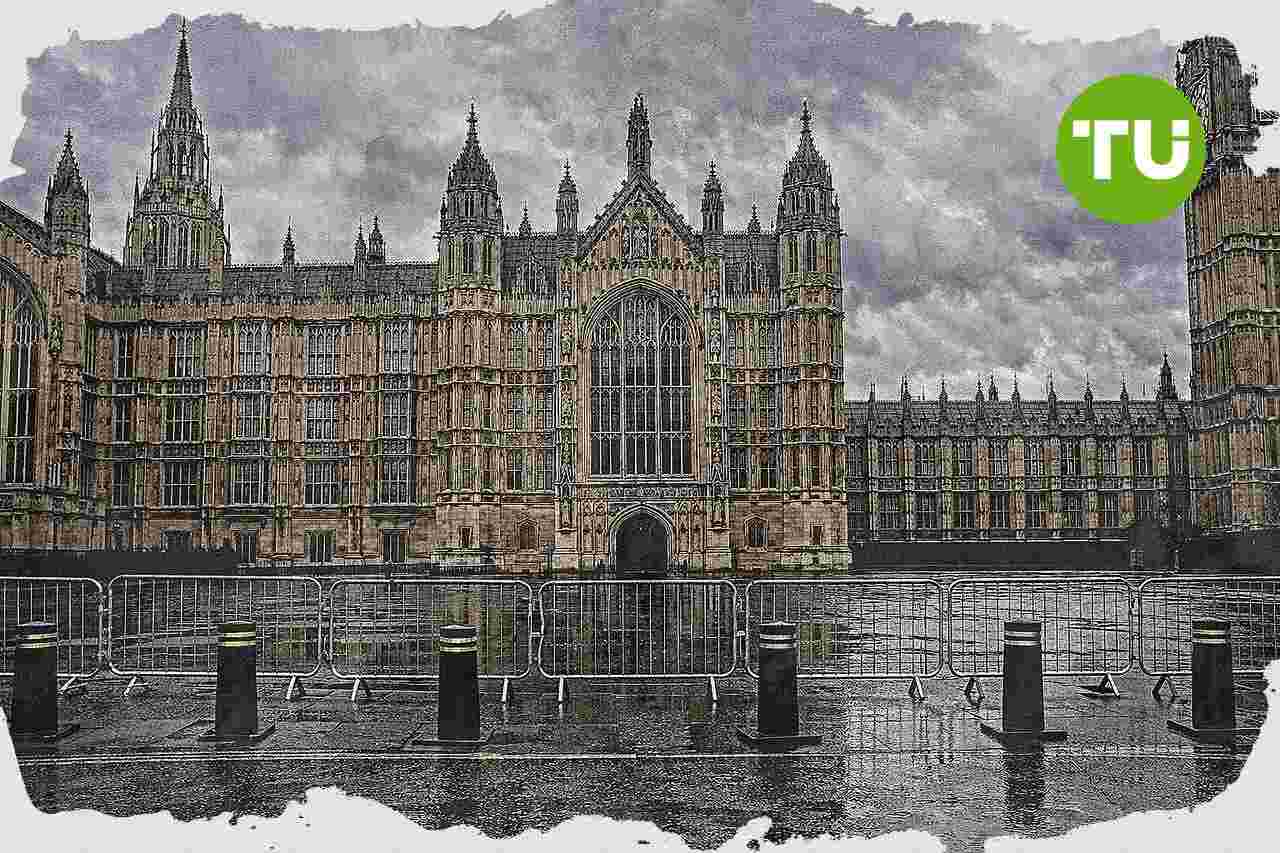
Britain is set to get its seventh prime minister in roughly a decade, an unusually rapid turnover for a major European economy. The churn follows repeated leadership collapses after large election wins and reflects deeper pressures from Brexit, weak growth and voter fragmentation.
Highlights
- Brexit's institutional fallout has heightened leadership instability, redrawing the UK's political map and making stable coalitions harder to assemble.
- Since 2016, no UK prime minister has effectively balanced post-Brexit divisions with credible national purpose, amplifying leadership risks and government turnover.
- UK disposable incomes have stagnated for nearly 20 years while debt has tripled as a share of GDP since 2010, intensifying public frustration and political volatility.
Brexit reshapes political stability
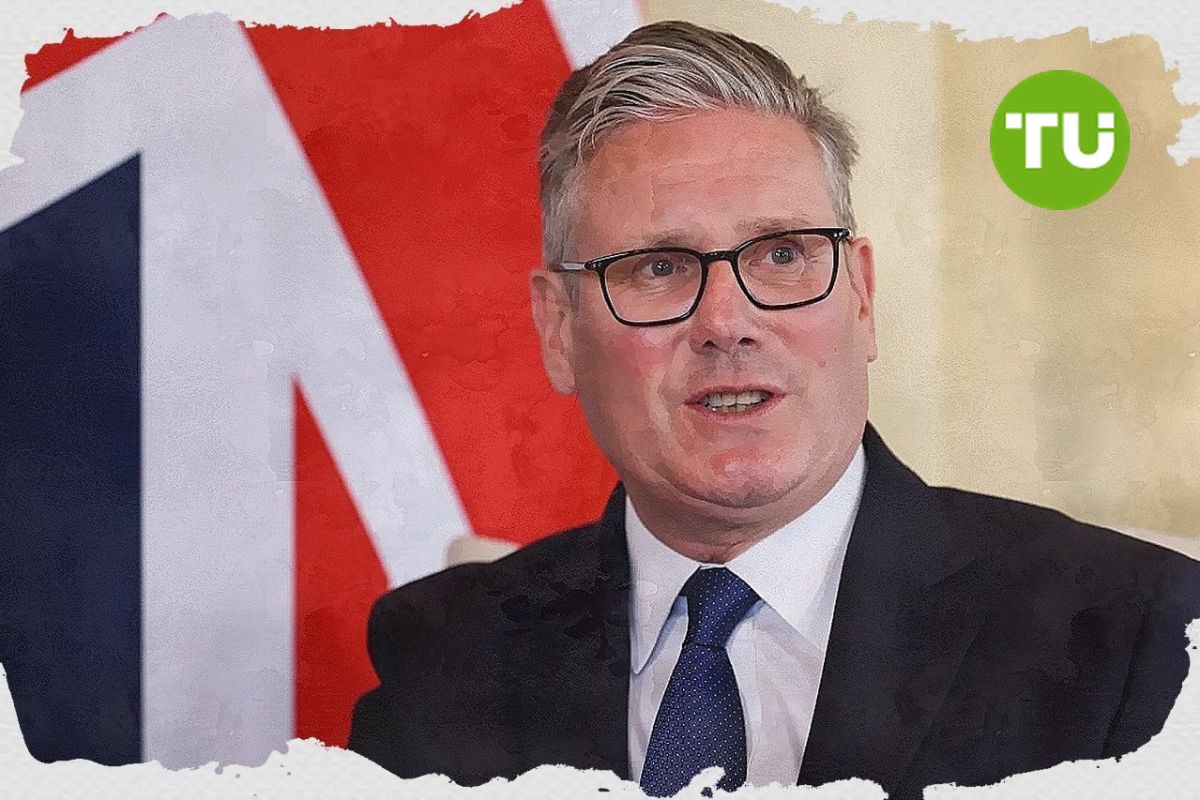
As reported by Financial Times, Britain’s current cycle of leadership instability is tied in large part to the political and institutional consequences of the Brexit vote. Sir Keir Starmer’s resignation comes one day before the 10th anniversary of the referendum on leaving the EU, an event that the article says created a huge logistical burden and raised public expectations that proved difficult to satisfy.The fallout from Brexit extends beyond the mechanics of leaving the EU. Jeremy Hunt, the former Conservative chancellor, says the vote not only brought down David Cameron and Theresa May, but also redrew the political map by weakening Labour’s working-class base, while affluent southern voters reacted against the Conservatives’ support for Brexit.
That realignment has helped open space for more fragmented and populist politics. Luke Tryl, director of polling group More in Common, says the main divide in British politics is no longer simply left versus right, but whether voters want to preserve and improve institutions or tear them down, making stable governing coalitions harder to build.
Economic pressures deepen leadership risks
No prime minister since 2016 has managed these pressures effectively, according to the article’s assessment. It points to David Cameron’s referendum decision, Theresa May’s failed election gamble, Boris Johnson’s conduct during the Covid-19 lockdown, Liz Truss’s market-disrupting economic approach, and the inability of Rishi Sunak and Starmer to present a convincing national purpose.A broader economic backdrop also weighs on political durability. Paul Johnson, former director of the Institute for Fiscal Studies, says several recent prime ministers inherit a country where living standards have stagnated for nearly 20 years, reinforcing public frustration and turning economic weakness into political instability.
Disposable incomes have barely risen, while inflation since 2022 has remained relatively stubborn in Britain and intensified the cost of living crisis. The UK also faces pressure from an ageing population, and its debt burden has risen faster since 2010 than in many other Western countries, with debt tripling as a share of GDP and servicing costs doubling.
In our earlier article on Keir Starmer’s resignation and the looming UK leadership transition, we covered how his planned exit set the stage for another change of prime minister by September, with Andy Burnham seen as the leading contender. We also noted that investors reacted cautiously, with sterling softening and gilt yields and equities showing a restrained but watchful response as markets weighed the policy uncertainty around the next government.





Latest UK News








-
 Afghanistan
-
 Albania
-
 Algeria
-
 Angola
-
 Argentina
-
 Armenia
-
 Australia
-
 Austria
-
 Azerbaijan
-
 Bahamas
-
 Bahrain
-
 Bangladesh
-
 Belarus
-
 Belgium
-
 Bolivia
-
 Botswana
-
 Brazil
-
 Brunei
-
 Bulgaria
-
 Cambodia
-
 Cameroon
-
 Canada
-
 Chile
Chile
-
 China
China
-
 Colombia
-
 Congo
Congo
-
 Costa Rica
-
 Cote d'Ivoire
-
 Croatia
-
 Cuba
Cuba
-
 Cyprus
-
 Czechia
-
 DR Congo
-
 Denmark
-
 Dominican Republic
-
 Ecuador
-
 Egypt
Egypt
-
 El Salvador
-
 Estonia
-
 Eswatini
-
 Ethiopia
-
 Finland
-
 France
-
 Georgia
-
 Germany
-
 Ghana
Ghana
-
 Greece
-
 Haiti
Haiti
-
 Hong Kong
-
 Hungary
-
 India
India
-
 Indonesia
-
 Iran, Islamic republic
-
 Iraq
Iraq
-
 Ireland
-
 Israel
-
 Italy
Italy
-
 Jamaica
-
 Japan
Japan
-
 Jordan
-
 Kazakhstan
-
 Kenya
Kenya
-
 Korea
Korea
-
 Kuwait
-
 Kyrgyzstan
-
 Laos
Laos
-
 Latvia
-
 Lebanon
-
 Lesotho
-
 Libya
Libya
-
 Lithuania
-
 Luxembourg
-
 Madagascar
-
 Malaysia
-
 Malta
Malta
-
 Mauritius
-
 Mexico
-
 Moldova
-
 Mongolia
-
 Montenegro
-
 Morocco
-
 Mozambique
-
 Myanmar
-
 Namibia
-
 Nepal
Nepal
-
 Netherlands
-
 New Zealand
-
 Nigeria
-
 North Macedonia
-
 Norway
-
 Oman
Oman
-
 Pakistan
-
 Palestine
-
 Panama
-
 Papua New Guinea
-
 Paraguay
-
 Peru
Peru
-
 Philippines
-
 Poland
-
 Portugal
-
 Puerto Rico
-
 Qatar
Qatar
-
 Reunion
-
 Romania
-
 Rwanda
-
 Saudi Arabia
-
 Serbia
-
 Singapore
-
 Slovakia
-
 Slovenia
-
 Somalia
-
 South Africa
-
 Spain
Spain
-
 Sri Lanka
-
 Sweden
-
 Switzerland
-
 Syria
Syria
-
 Taiwan
-
 Tajikistan
-
 Tanzania
-
 Thailand
-
 Trinidad and Tobago
-
 Tunisia
-
 Turkey
-
 UAE
UAE
-
 Uganda
-
 Ukraine
-
 United Kingdom
-
United States
-
 Uruguay
-
 Uzbekistan
-
 Venezuela
-
 Vietnam
-
 Yemen
Yemen
-
 Zambia
-
 Zimbabwe
- Forex
- Crypto












