
Le Pen and Farage use elections to counter legal and ethics risks
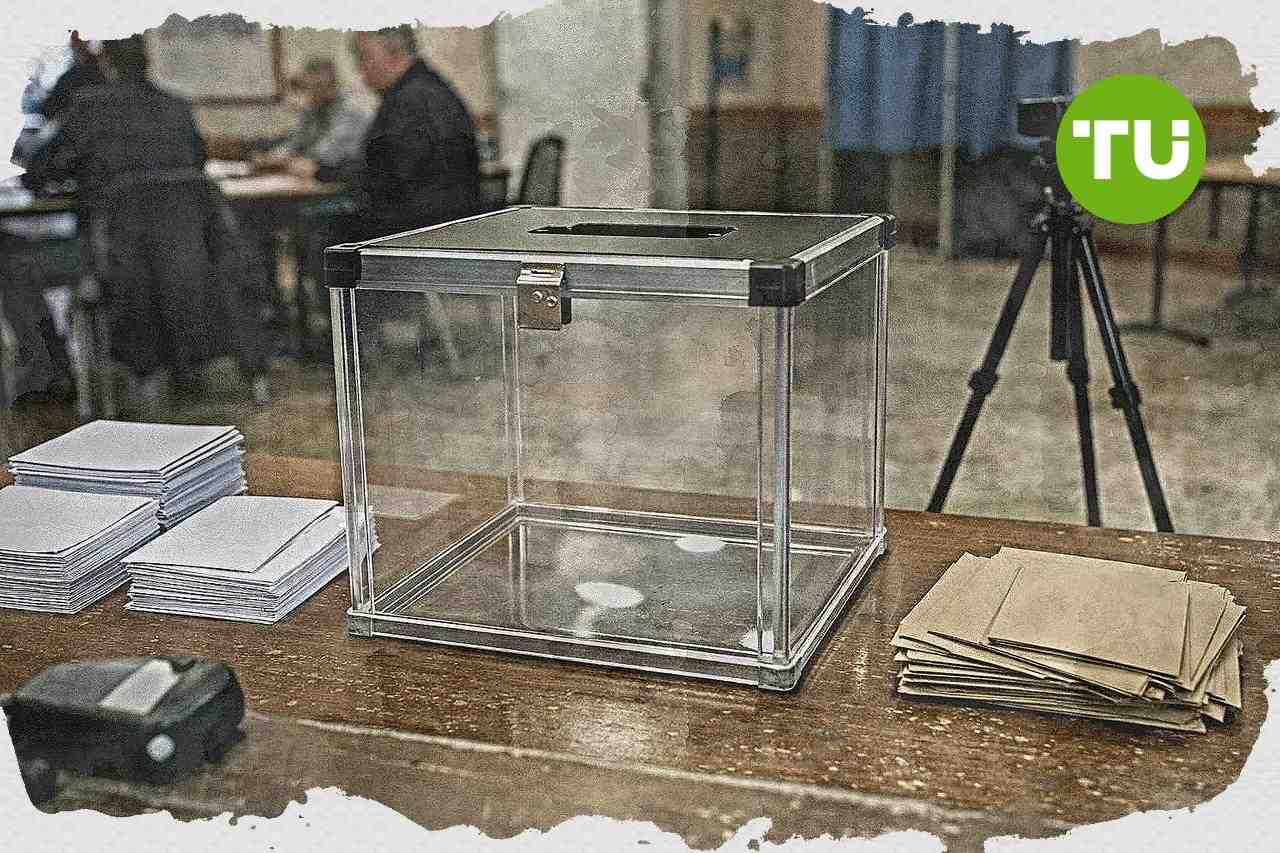
With pressure mounting on two of Europe’s best-known rightwing populists, Marine Le Pen and Nigel Farage are turning to voters as their preferred answer to legal and political scrutiny. Their parallel moves test whether electoral support can outweigh allegations over financial conduct in France and the UK.
Highlights
- Marine Le Pen, convicted of embezzling EU funds, will run in France's April presidential election despite appealing her sentence and facing possible disqualification if the court upholds her conviction early next year.
- Nigel Farage resigned his parliamentary seat and seeks re-election while under investigation for an undeclared £5 million gift, but main parties are not contesting the by-election, reducing immediate political risk yet leaving the probe unresolved.
- Both Le Pen and Farage exploit weak mainstream opposition, with implications for centrist unity in France and Labour momentum in Britain amid heightened populist strategies.
Ballot box strategy amid legal scrutiny
As argued by Financial Times, both politicians are seeking political cover through elections rather than relying on institutional processes alone. Le Pen, convicted of embezzling EU funds, says she will run in France's presidential election next year, while Farage has resigned his parliamentary seat and challenged voters in his constituency to return him to office as he faces a standards investigation over an undeclared £5 million gift from a crypto billionaire.The article presents this approach as a core populist tactic, framing direct appeals to voters as a way to confront what supporters portray as a hostile establishment. Le Pen's Rassemblement National reinforced that message with social media imagery casting her candidacy as a form of political rebirth, while Farage used a more confrontational appeal against the British political class.
Farage's move appears riskier in the near term because other main parties have declined to contest the seat, weakening the impact of his gambit. Even if he is re-elected, the parliamentary investigation can continue and could still widen to include other undeclared assistance, leaving open the possibility of another by-election.
Political consequences in France and Britain
Le Pen's path is more institutionally plausible because she has appealed to France's highest court to overturn her conviction and sentence, including a requirement that she wear an electronic tag. The penalties are currently suspended, allowing her to remain free to run in the first round of the presidential election in April, although uncertainty remains over what happens if the court confirms the sentence early next year.The bigger risk for Le Pen is political rather than procedural. If her conviction stands and she stays in the race, French voters would have to decide whether to back a candidate with a criminal conviction for the Élysée Palace, a scenario that could energise loyal supporters but alienate undecided voters she needs to win.
The article argues that both Le Pen and Farage benefit from weak mainstream opponents. In France, that raises pressure on centrist and centre-right parties to unite behind a credible challenger, while in Britain it suggests Farage remains a threat if the Labour government fails to regain momentum.
Our earlier report on the FCA’s insider-trading charges linked to Seraphine Group detailed how authorities accused a former London-based M&A lawyer of trading on confidential takeover information during the company’s sale process. We also noted that the case added to wider scrutiny of how sensitive deal information is handled in the legal sector, even as the regulator said the firm and Seraphine itself were not under investigation.




Latest ECJ News








-
 Afghanistan
-
 Albania
-
 Algeria
-
 Angola
-
 Argentina
-
 Armenia
-
 Australia
-
 Austria
-
 Azerbaijan
-
 Bahamas
-
 Bahrain
-
 Bangladesh
-
 Belarus
-
 Belgium
-
 Bolivia
-
 Botswana
-
 Brazil
-
 Brunei
-
 Bulgaria
-
 Cambodia
-
 Cameroon
-
 Canada
-
 Chile
Chile
-
 China
China
-
 Colombia
-
 Congo
Congo
-
 Costa Rica
-
 Cote d'Ivoire
-
 Croatia
-
 Cuba
Cuba
-
 Cyprus
-
 Czechia
-
 DR Congo
-
 Denmark
-
 Dominican Republic
-
 Ecuador
-
 Egypt
Egypt
-
 El Salvador
-
 Estonia
-
 Eswatini
-
 Ethiopia
-
 Finland
-
 France
-
 Georgia
-
 Germany
-
 Ghana
Ghana
-
 Greece
-
 Haiti
Haiti
-
 Hong Kong
-
 Hungary
-
 India
India
-
 Indonesia
-
 Iran, Islamic republic
-
 Iraq
Iraq
-
 Ireland
-
 Israel
-
 Italy
Italy
-
 Jamaica
-
 Japan
Japan
-
 Jordan
-
 Kazakhstan
-
 Kenya
Kenya
-
 Korea
Korea
-
 Kuwait
-
 Kyrgyzstan
-
 Laos
Laos
-
 Latvia
-
 Lebanon
-
 Lesotho
-
 Libya
Libya
-
 Lithuania
-
 Luxembourg
-
 Madagascar
-
 Malaysia
-
 Malta
Malta
-
 Mauritius
-
 Mexico
-
 Moldova
-
 Mongolia
-
 Montenegro
-
 Morocco
-
 Mozambique
-
 Myanmar
-
 Namibia
-
 Nepal
Nepal
-
 Netherlands
-
 New Zealand
-
 Nigeria
-
 North Macedonia
-
 Norway
-
 Oman
Oman
-
 Pakistan
-
 Palestine
-
 Panama
-
 Papua New Guinea
-
 Paraguay
-
 Peru
Peru
-
 Philippines
-
 Poland
-
 Portugal
-
 Puerto Rico
-
 Qatar
Qatar
-
 Reunion
-
 Romania
-
 Rwanda
-
 Saudi Arabia
-
 Serbia
-
 Singapore
-
 Slovakia
-
 Slovenia
-
 Somalia
-
 South Africa
-
 Spain
Spain
-
 Sri Lanka
-
 Sweden
-
 Switzerland
-
 Syria
Syria
-
 Taiwan
-
 Tajikistan
-
 Tanzania
-
 Thailand
-
 Trinidad and Tobago
-
 Tunisia
-
 Turkey
-
 UAE
UAE
-
 Uganda
-
 Ukraine
-
 United Kingdom
-
United States
-
 Uruguay
-
 Uzbekistan
-
 Venezuela
-
 Vietnam
-
 Yemen
Yemen
-
 Zambia
-
 Zimbabwe
- Forex
- Crypto











