
Stanley Druckenmiller: stablecoins may become backbone of financial system
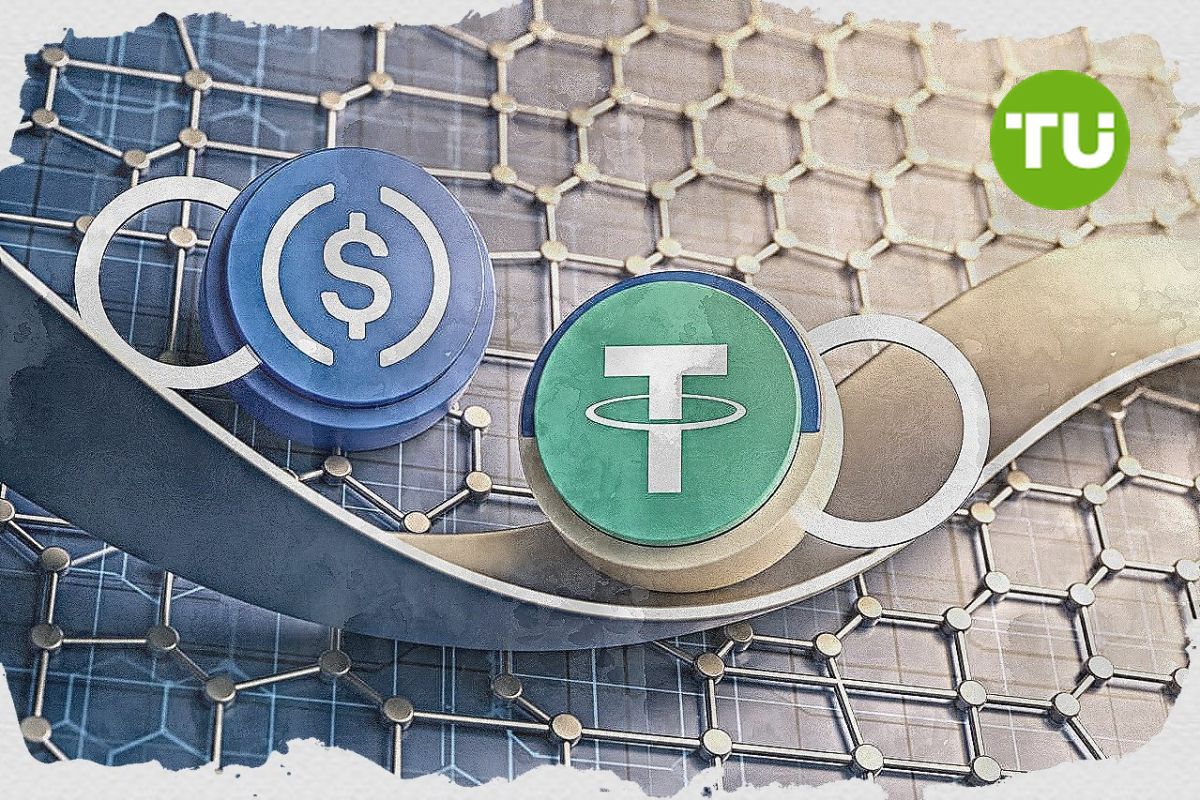
Billionaire investor Stanley Druckenmiller said that blockchain and stablecoins could become the foundation of the global payment infrastructure within the next 10–15 years.
In an interview with Morgan Stanley, he noted that blockchain-based technologies significantly improve the efficiency of financial operations and have the potential to modernize the existing settlement system.
According to him, stablecoins enable transactions to be processed faster, cheaper, and with fewer intermediaries than traditional banking networks. Druckenmiller emphasized that the practical efficiency of these technologies is what makes them attractive for the future financial system.
Blockchain increases the efficiency of financial operations
The investor noted that the use of tokens and blockchain infrastructure could significantly improve the performance of global payments. In his view, such technologies can reduce the time required for international transfers, lower fees, and increase transaction transparency.
Druckenmiller also recalled that he had previously spoken about the potential replacement of the existing dollar payment rails with a blockchain-based system. At the time, he linked such a transformation to declining trust in the traditional banking system and the actions of central banks. In his opinion, distrust of the current financial architecture could accelerate the adoption of new technologies.
Payment companies are already exploring stablecoins
Interest in stablecoins is also growing among traditional financial companies. Last year, payment services such as Western Union, MoneyGram, and Zelle announced plans to introduce settlement systems based on stablecoins. These initiatives became possible after the adoption of the GENIUS Act in the United States, which created a clearer regulatory framework for the use of digital assets in payment infrastructure.
The new regulatory regime allows companies to officially integrate blockchain solutions and offer users new methods of cross-border transfers. As a result, the traditional financial sector is gradually beginning to incorporate digital assets into its services.
Druckenmiller remains skeptical about BTC as a store of value
Despite supporting blockchain and stablecoins, Druckenmiller remains skeptical about the role of cryptocurrencies as a store of value. He said he does not consider BTC a necessary financial instrument and described it as “a solution in search of a problem.”
According to him, cryptocurrencies have become a popular brand among a certain group of investors, but that does not make them a universal asset for long-term capital preservation. Druckenmiller also emphasized that he personally prefers gold, calling it “a brand with more than 5,000 years of history.” At the same time, the investor admitted that he does not own BTC, although he noted that perhaps he should have some exposure to it in his portfolio.
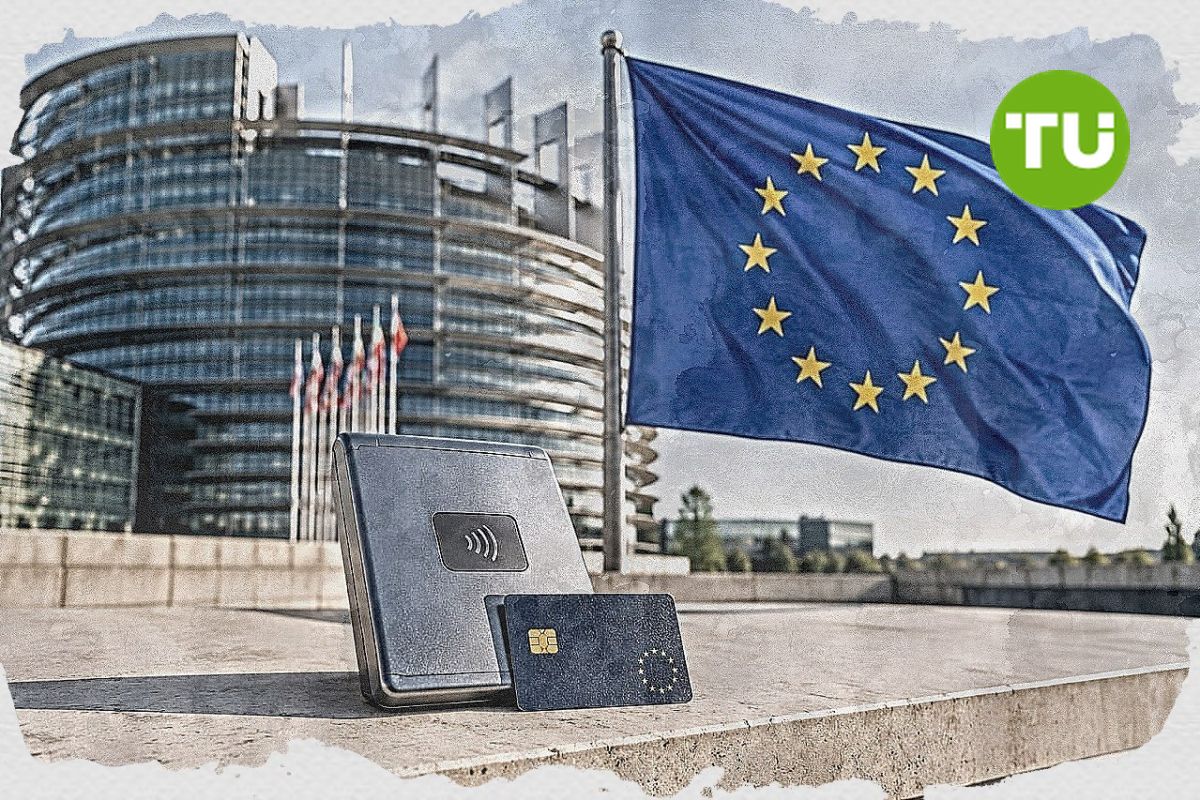
Recently we wrote that the European Central Bank stated that the growing popularity of stablecoins could reduce bank deposits and weaken lending activity. In its working paper “Stablecoins and Monetary Policy Transmission,” the regulator notes that the shift of funds into digital assets is already associated with a measurable decline in retail deposits.











-
 Afghanistan
-
 Albania
-
 Algeria
-
 Angola
-
 Argentina
-
 Armenia
-
 Australia
-
 Austria
-
 Azerbaijan
-
 Bahamas
-
 Bahrain
-
 Bangladesh
-
 Belarus
-
 Belgium
-
 Bolivia
-
 Botswana
-
 Brazil
-
 Brunei
-
 Bulgaria
-
 Cambodia
-
 Cameroon
-
 Canada
-
 Chile
Chile
-
 China
China
-
 Colombia
-
 Congo
Congo
-
 Costa Rica
-
 Cote d'Ivoire
-
 Croatia
-
 Cuba
Cuba
-
 Cyprus
-
 Czechia
-
 DR Congo
-
 Denmark
-
 Dominican Republic
-
 Ecuador
-
 Egypt
Egypt
-
 El Salvador
-
 Estonia
-
 Eswatini
-
 Ethiopia
-
 Finland
-
 France
-
 Georgia
-
 Germany
-
 Ghana
Ghana
-
 Greece
-
 Haiti
Haiti
-
 Hong Kong
-
 Hungary
-
 India
India
-
 Indonesia
-
 Iran, Islamic republic
-
 Iraq
Iraq
-
 Ireland
-
 Israel
-
 Italy
Italy
-
 Jamaica
-
 Japan
Japan
-
 Jordan
-
 Kazakhstan
-
 Kenya
Kenya
-
 Korea
Korea
-
 Kuwait
-
 Kyrgyzstan
-
 Laos
Laos
-
 Latvia
-
 Lebanon
-
 Lesotho
-
 Libya
Libya
-
 Lithuania
-
 Luxembourg
-
 Madagascar
-
 Malaysia
-
 Malta
Malta
-
 Mauritius
-
 Mexico
-
 Moldova
-
 Mongolia
-
 Montenegro
-
 Morocco
-
 Mozambique
-
 Myanmar
-
 Namibia
-
 Nepal
Nepal
-
 Netherlands
-
 New Zealand
-
 Nigeria
-
 North Macedonia
-
 Norway
-
 Oman
Oman
-
 Pakistan
-
 Palestine
-
 Panama
-
 Papua New Guinea
-
 Paraguay
-
 Peru
Peru
-
 Philippines
-
 Poland
-
 Portugal
-
 Puerto Rico
-
 Qatar
Qatar
-
 Reunion
-
 Romania
-
 Rwanda
-
 Saudi Arabia
-
 Serbia
-
 Singapore
-
 Slovakia
-
 Slovenia
-
 Somalia
-
 South Africa
-
 Spain
Spain
-
 Sri Lanka
-
 Sweden
-
 Switzerland
-
 Syria
Syria
-
 Taiwan
-
 Tajikistan
-
 Tanzania
-
 Thailand
-
 Trinidad and Tobago
-
 Tunisia
-
 Turkey
-
 UAE
UAE
-
 Uganda
-
 Ukraine
-
 United Kingdom
-
United States
-
 Uruguay
-
 Uzbekistan
-
 Venezuela
-
 Vietnam
-
 Yemen
Yemen
-
 Zambia
-
 Zimbabwe
- Forex
- Crypto











