
ECB: Growth of stablecoins could weaken lending in eurozone
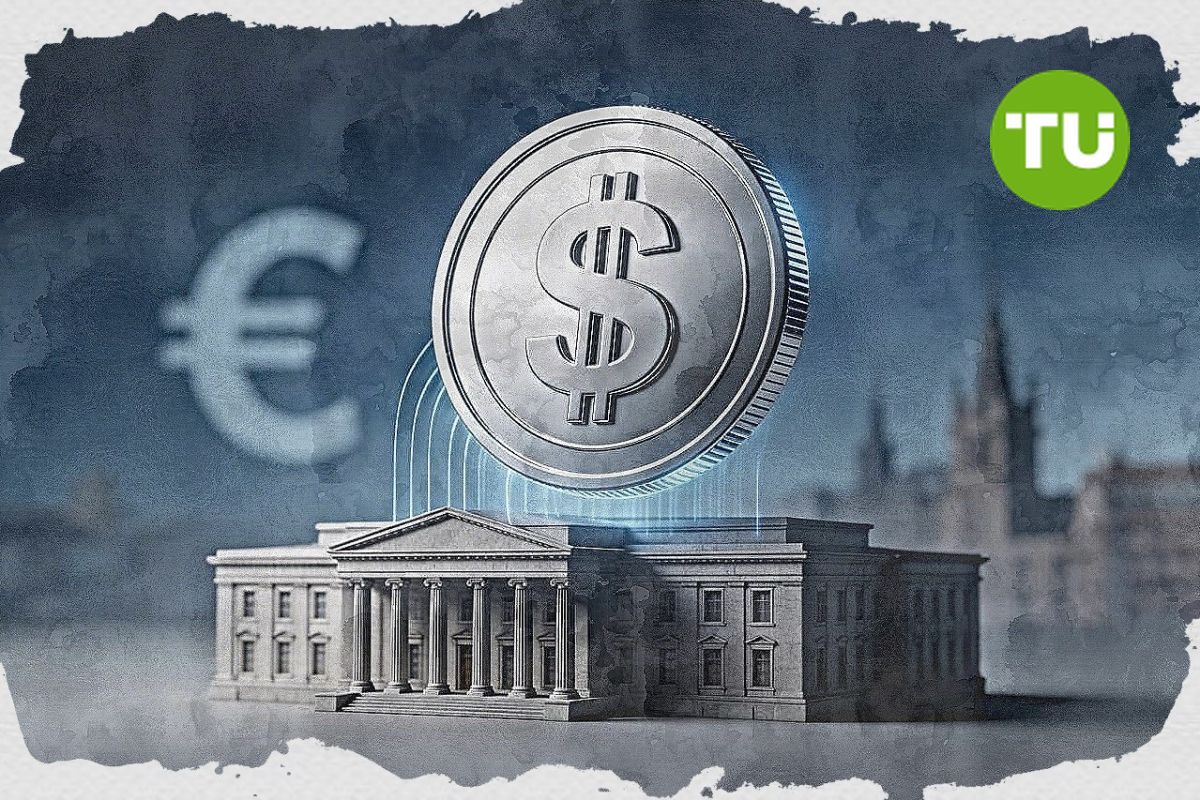
The European Central Bank stated that the growing popularity of stablecoins could reduce bank deposits and weaken lending activity. In its working paper “Stablecoins and Monetary Policy Transmission,” the regulator notes that the shift of funds into digital assets is already associated with a measurable decline in retail deposits.
Banks traditionally rely on deposits as a cheap and stable source of funding, according to Cointelegraph.
A decline in deposits may force credit institutions to rely more heavily on more expensive market-based funding. This, in turn, could reduce the volume of loans available to businesses. According to the ECB, the impact depends on the scale of stablecoin adoption and their regulatory framework.
Impact on the interest rate transmission mechanism
The authors of the report emphasize that stablecoins may disrupt the channels of monetary policy transmission. As deposits flow out, banks’ responses to changes in key interest rates become less predictable. If funding costs rise, banks may restrict lending even when rates are cut.
The ECB notes the non-linear nature of the impact—at low levels of adoption, the effect is limited, but at large-scale usage, consequences intensify. The document states that the growth of digital currencies could reduce lending to the real economy. As a result, financial system stability becomes more sensitive to the structure of digital assets.
Dollar-backed tokens increase pressure
Particular concern centers on the dominance of dollar-pegged stablecoins. According to CoinGecko, dollar-linked tokens account for about 97% of the market, with capitalization of approximately $301 billion. The total stablecoin market exceeds $312 billion and could reach $2 trillion by 2028, according to forecasts.
If most transactions in the eurozone are conducted through dollar-denominated digital assets, this could weaken the euro’s role in cross-border payments. The ECB has previously warned about risks to monetary sovereignty. The growth of the dollar in digital form may increase the region’s currency dependence.
Market scale and potential consequences
Over the past three years, stablecoin market capitalization has more than doubled, reflecting their growing role in payments and digital asset trading. For eurozone banks, even a partial outflow of deposits could mean an increase in funding costs by dozens of basis points. In a slowing economy, this could intensify credit tightening.
If the share of stablecoins in payments continues to grow, the ECB may accelerate the development of a digital euro as an alternative. Current dynamics show that digital assets are becoming a factor already considered in monetary policy decisions. The question is no longer whether stablecoins will affect banks, but rather the scale of that impact.
Recently we wrote that BTC is trading around $67,883, gaining 2.62% over the past 24 hours and 7.34% over the week, with total crypto market capitalization at $2.33 trillion (+1.72% in 24 hours). Bitcoin’s own market capitalization stands at approximately $1.35 trillion, confirming its dominant position in the sector.






-
 Afghanistan
-
 Albania
-
 Algeria
-
 Angola
-
 Argentina
-
 Armenia
-
 Australia
-
 Austria
-
 Azerbaijan
-
 Bahamas
-
 Bahrain
-
 Bangladesh
-
 Belarus
-
 Belgium
-
 Bolivia
-
 Botswana
-
 Brazil
-
 Brunei
-
 Bulgaria
-
 Cambodia
-
 Cameroon
-
 Canada
-
 Chile
Chile
-
 China
China
-
 Colombia
-
 Congo
Congo
-
 Costa Rica
-
 Cote d'Ivoire
-
 Croatia
-
 Cuba
Cuba
-
 Cyprus
-
 Czechia
-
 DR Congo
-
 Denmark
-
 Dominican Republic
-
 Ecuador
-
 Egypt
Egypt
-
 El Salvador
-
 Estonia
-
 Eswatini
-
 Ethiopia
-
 Finland
-
 France
-
 Georgia
-
 Germany
-
 Ghana
Ghana
-
 Greece
-
 Haiti
Haiti
-
 Hong Kong
-
 Hungary
-
 India
India
-
 Indonesia
-
 Iran, Islamic republic
-
 Iraq
Iraq
-
 Ireland
-
 Israel
-
 Italy
Italy
-
 Jamaica
-
 Japan
Japan
-
 Jordan
-
 Kazakhstan
-
 Kenya
Kenya
-
 Korea
Korea
-
 Kuwait
-
 Kyrgyzstan
-
 Laos
Laos
-
 Latvia
-
 Lebanon
-
 Lesotho
-
 Libya
Libya
-
 Lithuania
-
 Luxembourg
-
 Madagascar
-
 Malaysia
-
 Malta
Malta
-
 Mauritius
-
 Mexico
-
 Moldova
-
 Mongolia
-
 Montenegro
-
 Morocco
-
 Mozambique
-
 Myanmar
-
 Namibia
-
 Nepal
Nepal
-
 Netherlands
-
 New Zealand
-
 Nigeria
-
 North Macedonia
-
 Norway
-
 Oman
Oman
-
 Pakistan
-
 Palestine
-
 Panama
-
 Papua New Guinea
-
 Paraguay
-
 Peru
Peru
-
 Philippines
-
 Poland
-
 Portugal
-
 Puerto Rico
-
 Qatar
Qatar
-
 Reunion
-
 Romania
-
 Rwanda
-
 Saudi Arabia
-
 Serbia
-
 Singapore
-
 Slovakia
-
 Slovenia
-
 Somalia
-
 South Africa
-
 Spain
Spain
-
 Sri Lanka
-
 Sweden
-
 Switzerland
-
 Syria
Syria
-
 Taiwan
-
 Tajikistan
-
 Tanzania
-
 Thailand
-
 Trinidad and Tobago
-
 Tunisia
-
 Turkey
-
 UAE
UAE
-
 Uganda
-
 Ukraine
-
 United Kingdom
-
United States
-
 Uruguay
-
 Uzbekistan
-
 Venezuela
-
 Vietnam
-
 Yemen
Yemen
-
 Zambia
-
 Zimbabwe
- Forex
- Crypto











