
U.S. sets supply chain resilience as priority for critical industries

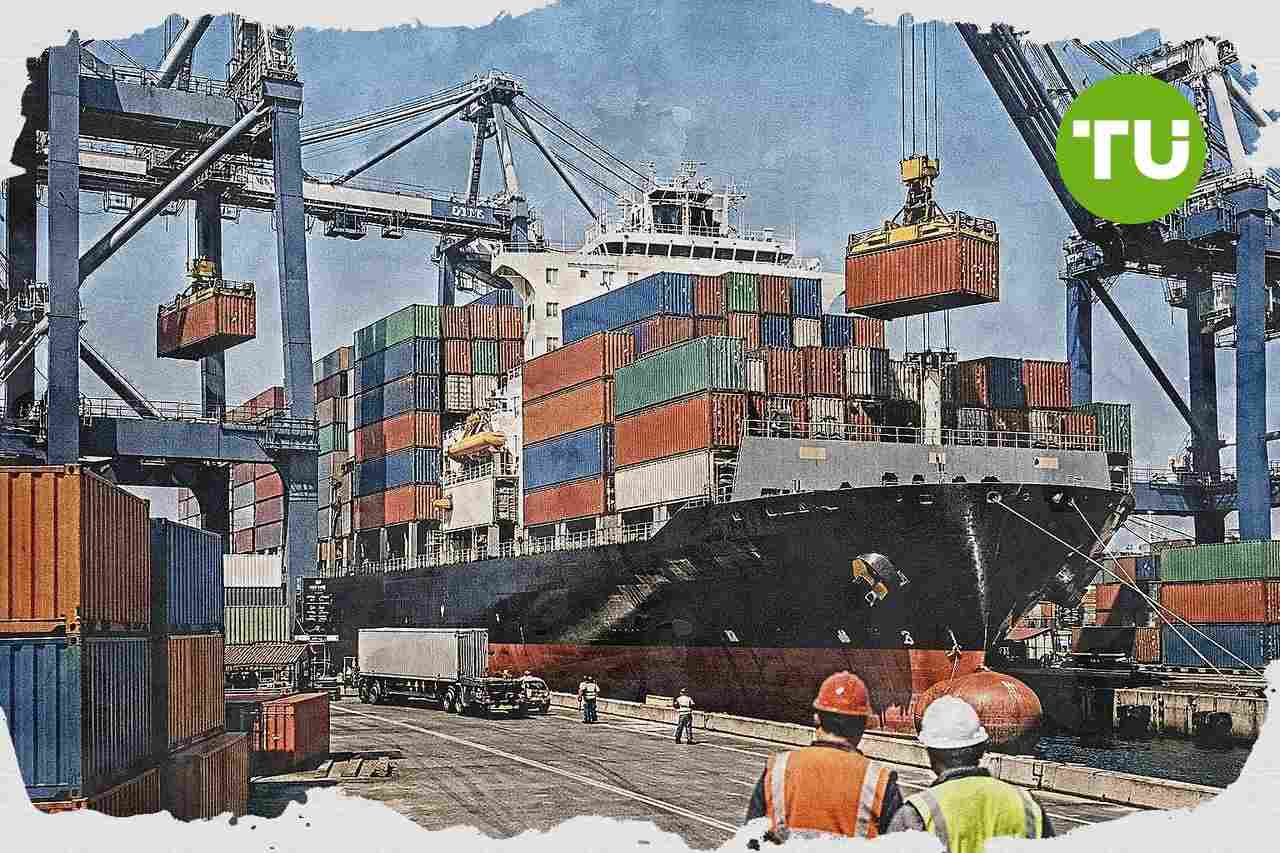
Amid a broader push to align economic policy with national strategy, the Trump administration says it wants critical U.S. industries to be better protected from external disruptions. The goal is to build enough domestic capacity to reduce exposure to wars, pandemics, coercion by adversaries and other foreign chokepoints.
Highlights
- U.S. Treasury Secretary Scott Bessent prioritizes strengthening supply chain resilience in critical industries to reduce reliance on foreign chokepoints and withstand economic shocks.
- Bessent signals a policy shift to reciprocity in trade, protection against discriminatory treatment of domestic firms, stronger sanctions enforcement, and robust action against illicit finance.
- Bessent emphasizes support for financial innovation that upholds dollar strength and system integrity, with technologies required to meet standards for transparency, security, and consumer protection.
Policy focus on domestic capacity
As reported by Reuters, U.S. Treasury Secretary Scott Bessent says the administration aims to strengthen supply chain capacity so key sectors can withstand economic shocks and external pressure.Speaking to the Economic Club of New York, Bessent says full domestic production of every component is neither realistic nor necessary. Instead, he says supply chain security depends on diversifying away from dangerous concentrations and building enough capacity at home so Americans are not left vulnerable to foreign chokepoints.
In remarks that invoke Alexander Hamilton's call for manufacturing self-sufficiency in the early United States, Bessent says the country is becoming more aware of its economic interests after decades of growing trade deficits and is more prepared to defend them.
Implications for trade and financial policy
Bessent says partner countries should expect a U.S. approach based on reciprocity, protection against discriminatory treatment of domestic firms, stronger enforcement of sanctions and action against illicit finance. He adds that Washington will not allow economic policy to become detached from national strategy.He also says the U.S. should support financial innovation that strengthens the dollar, improves efficiency, expands access and preserves the integrity of the financial system. While he does not outline specific policy steps, he says new technologies must meet U.S. standards for transparency, security, consumer protection and law enforcement access.
Our earlier article covered the FCC’s $3.5 billion mid-band spectrum auction and how most of the proceeds are set to support the agency’s “Rip and Replace” program. We noted that the funding is aimed at removing Huawei and other Chinese equipment from U.S. wireless networks, reinforcing telecom security and reducing reliance on foreign infrastructure.


Latest Supply Chain News






-
 Afghanistan
-
 Albania
-
 Algeria
-
 Angola
-
 Argentina
-
 Armenia
-
 Australia
-
 Austria
-
 Azerbaijan
-
 Bahamas
-
 Bahrain
-
 Bangladesh
-
 Belarus
-
 Belgium
-
 Bolivia
-
 Botswana
-
 Brazil
-
 Brunei
-
 Bulgaria
-
 Cambodia
-
 Cameroon
-
 Canada
-
 Chile
Chile
-
 China
China
-
 Colombia
-
 Congo
Congo
-
 Costa Rica
-
 Cote d'Ivoire
-
 Croatia
-
 Cuba
Cuba
-
 Cyprus
-
 Czechia
-
 DR Congo
-
 Denmark
-
 Dominican Republic
-
 Ecuador
-
 Egypt
Egypt
-
 El Salvador
-
 Estonia
-
 Eswatini
-
 Ethiopia
-
 Finland
-
 France
-
 Georgia
-
 Germany
-
 Ghana
Ghana
-
 Greece
-
 Haiti
Haiti
-
 Hong Kong
-
 Hungary
-
 India
India
-
 Indonesia
-
 Iran, Islamic republic
-
 Iraq
Iraq
-
 Ireland
-
 Israel
-
 Italy
Italy
-
 Jamaica
-
 Japan
Japan
-
 Jordan
-
 Kazakhstan
-
 Kenya
Kenya
-
 Korea
Korea
-
 Kuwait
-
 Kyrgyzstan
-
 Laos
Laos
-
 Latvia
-
 Lebanon
-
 Lesotho
-
 Libya
Libya
-
 Lithuania
-
 Luxembourg
-
 Madagascar
-
 Malaysia
-
 Malta
Malta
-
 Mauritius
-
 Mexico
-
 Moldova
-
 Mongolia
-
 Montenegro
-
 Morocco
-
 Mozambique
-
 Myanmar
-
 Namibia
-
 Nepal
Nepal
-
 Netherlands
-
 New Zealand
-
 Nigeria
-
 North Macedonia
-
 Norway
-
 Oman
Oman
-
 Pakistan
-
 Palestine
-
 Panama
-
 Papua New Guinea
-
 Paraguay
-
 Peru
Peru
-
 Philippines
-
 Poland
-
 Portugal
-
 Puerto Rico
-
 Qatar
Qatar
-
 Reunion
-
 Romania
-
 Rwanda
-
 Saudi Arabia
-
 Serbia
-
 Singapore
-
 Slovakia
-
 Slovenia
-
 Somalia
-
 South Africa
-
 Spain
Spain
-
 Sri Lanka
-
 Sweden
-
 Switzerland
-
 Syria
Syria
-
 Taiwan
-
 Tajikistan
-
 Tanzania
-
 Thailand
-
 Trinidad and Tobago
-
 Tunisia
-
 Turkey
-
 UAE
UAE
-
 Uganda
-
 Ukraine
-
 United Kingdom
-
United States
-
 Uruguay
-
 Uzbekistan
-
 Venezuela
-
 Vietnam
-
 Yemen
Yemen
-
 Zambia
-
 Zimbabwe
- Forex
- Crypto











