
Trump administration tightens defense supply chain waiver rules for U.S. contractors
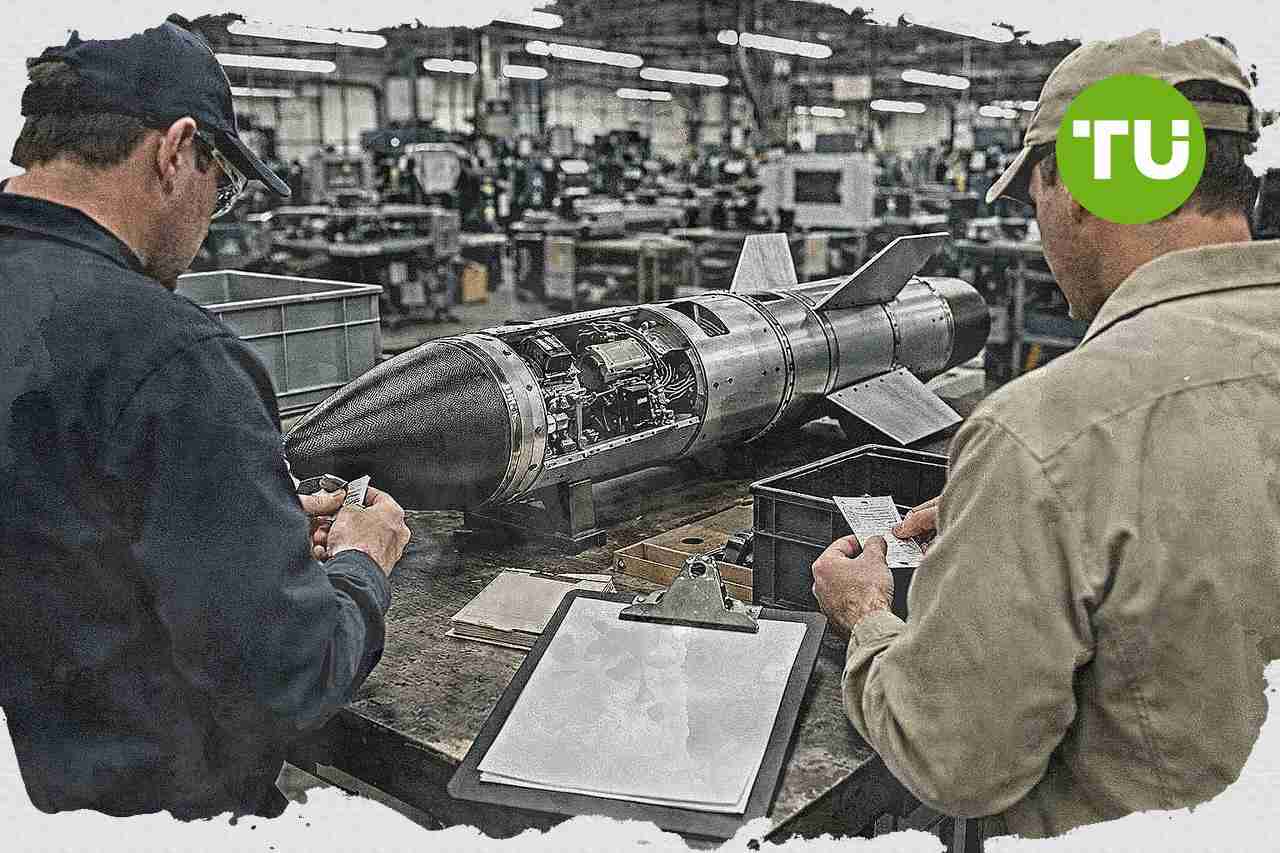
The White House is tightening procurement rules as the U.S. defense sector faces pressure to expand weapons production while reducing reliance on foreign inputs. The executive order raises the bar for contractors seeking exceptions to buy critical minerals and other materials from China and other prohibited suppliers.
Highlights
- President Trump’s executive order requires defense contractors to demonstrate exhaustive supplier searches and detailed material origin when seeking waivers involving Chinese sources.
- The order mandates Pentagon rulemaking for comprehensive mapping of defense supply chains, requiring origin tracing of inputs from raw minerals to finished military systems.
- Defense contractors like Lockheed Martin and Boeing face heightened compliance demands and pressure to shift sourcing away from China amid increased scrutiny of foreign ownership and supplier risk.
Stricter waiver standards and supply chain mapping
As reported by Reuters, President Donald Trump signed an executive order on Monday that requires defense contractors to do more than show a Chinese supplier is the easiest or cheapest option when seeking a waiver. Companies must demonstrate they searched for alternatives, explain the origin of their materials and present a plan to move away from prohibited suppliers.Contractors also face the risk of losing contracts if they cannot show they are making sufficient efforts to source domestically. White House adviser Peter Navarro says the administration is ending a system in which companies could seek exceptions without taking meaningful steps to find other supply options.
Beyond waiver restrictions, the order directs the Pentagon to develop rules requiring contractors to map critical defense supply chains from raw materials to finished military products. Companies must identify the origins of minerals, components, software and other inputs used in designated weapons systems, extending oversight beyond prime contractors to lower-tier suppliers.
Pressure on weapons production and supplier risk
The move comes as the Pentagon pushes contractors such as Lockheed Martin and Boeing to rapidly increase weapons output while supply chain vulnerabilities persist. Many critical minerals and processed materials used in missiles, aircraft and other advanced military systems still depend on Chinese suppliers.That leaves defense companies balancing pressure to reduce exposure to Beijing with the operational need to keep weapons flowing to U.S. forces and allies. The order also requires contractors to assess suppliers for foreign ownership, financial weakness and manufacturing risks, and to replace suppliers considered unreliable.
Navarro says the effort is intended to give the Pentagon a clearer picture of whether missile systems and other platforms depend on foreign-controlled suppliers before a conflict begins. For the defense industry, the new rules are likely to increase compliance demands while accelerating the shift toward domestic and allied sourcing.
Our earlier article on Archer Aviation and Anduril’s Thunder autonomous VTOL defense aircraft detailed the companies’ expansion into the defense market alongside Archer’s effort to secure FAA certification for commercial air taxis ahead of the 2028 Los Angeles Olympics. We also noted that rising battlefield drone and air-defense threats are speeding up demand for autonomous systems and influencing military procurement priorities.


Latest Supply Chain News






-
 Afghanistan
-
 Albania
-
 Algeria
-
 Angola
-
 Argentina
-
 Armenia
-
 Australia
-
 Austria
-
 Azerbaijan
-
 Bahamas
-
 Bahrain
-
 Bangladesh
-
 Belarus
-
 Belgium
-
 Bolivia
-
 Botswana
-
 Brazil
-
 Brunei
-
 Bulgaria
-
 Cambodia
-
 Cameroon
-
 Canada
-
 Chile
Chile
-
 China
China
-
 Colombia
-
 Congo
Congo
-
 Costa Rica
-
 Cote d'Ivoire
-
 Croatia
-
 Cuba
Cuba
-
 Cyprus
-
 Czechia
-
 DR Congo
-
 Denmark
-
 Dominican Republic
-
 Ecuador
-
 Egypt
Egypt
-
 El Salvador
-
 Estonia
-
 Eswatini
-
 Ethiopia
-
 Finland
-
 France
-
 Georgia
-
 Germany
-
 Ghana
Ghana
-
 Greece
-
 Haiti
Haiti
-
 Hong Kong
-
 Hungary
-
 India
India
-
 Indonesia
-
 Iran, Islamic republic
-
 Iraq
Iraq
-
 Ireland
-
 Israel
-
 Italy
Italy
-
 Jamaica
-
 Japan
Japan
-
 Jordan
-
 Kazakhstan
-
 Kenya
Kenya
-
 Korea
Korea
-
 Kuwait
-
 Kyrgyzstan
-
 Laos
Laos
-
 Latvia
-
 Lebanon
-
 Lesotho
-
 Libya
Libya
-
 Lithuania
-
 Luxembourg
-
 Madagascar
-
 Malaysia
-
 Malta
Malta
-
 Mauritius
-
 Mexico
-
 Moldova
-
 Mongolia
-
 Montenegro
-
 Morocco
-
 Mozambique
-
 Myanmar
-
 Namibia
-
 Nepal
Nepal
-
 Netherlands
-
 New Zealand
-
 Nigeria
-
 North Macedonia
-
 Norway
-
 Oman
Oman
-
 Pakistan
-
 Palestine
-
 Panama
-
 Papua New Guinea
-
 Paraguay
-
 Peru
Peru
-
 Philippines
-
 Poland
-
 Portugal
-
 Puerto Rico
-
 Qatar
Qatar
-
 Reunion
-
 Romania
-
 Rwanda
-
 Saudi Arabia
-
 Serbia
-
 Singapore
-
 Slovakia
-
 Slovenia
-
 Somalia
-
 South Africa
-
 Spain
Spain
-
 Sri Lanka
-
 Sweden
-
 Switzerland
-
 Syria
Syria
-
 Taiwan
-
 Tajikistan
-
 Tanzania
-
 Thailand
-
 Trinidad and Tobago
-
 Tunisia
-
 Turkey
-
 UAE
UAE
-
 Uganda
-
 Ukraine
-
 United Kingdom
-
United States
-
 Uruguay
-
 Uzbekistan
-
 Venezuela
-
 Vietnam
-
 Yemen
Yemen
-
 Zambia
-
 Zimbabwe
- Forex
- Crypto












