
U.S. auto suppliers scale connected-car hardware shift as China ban nears
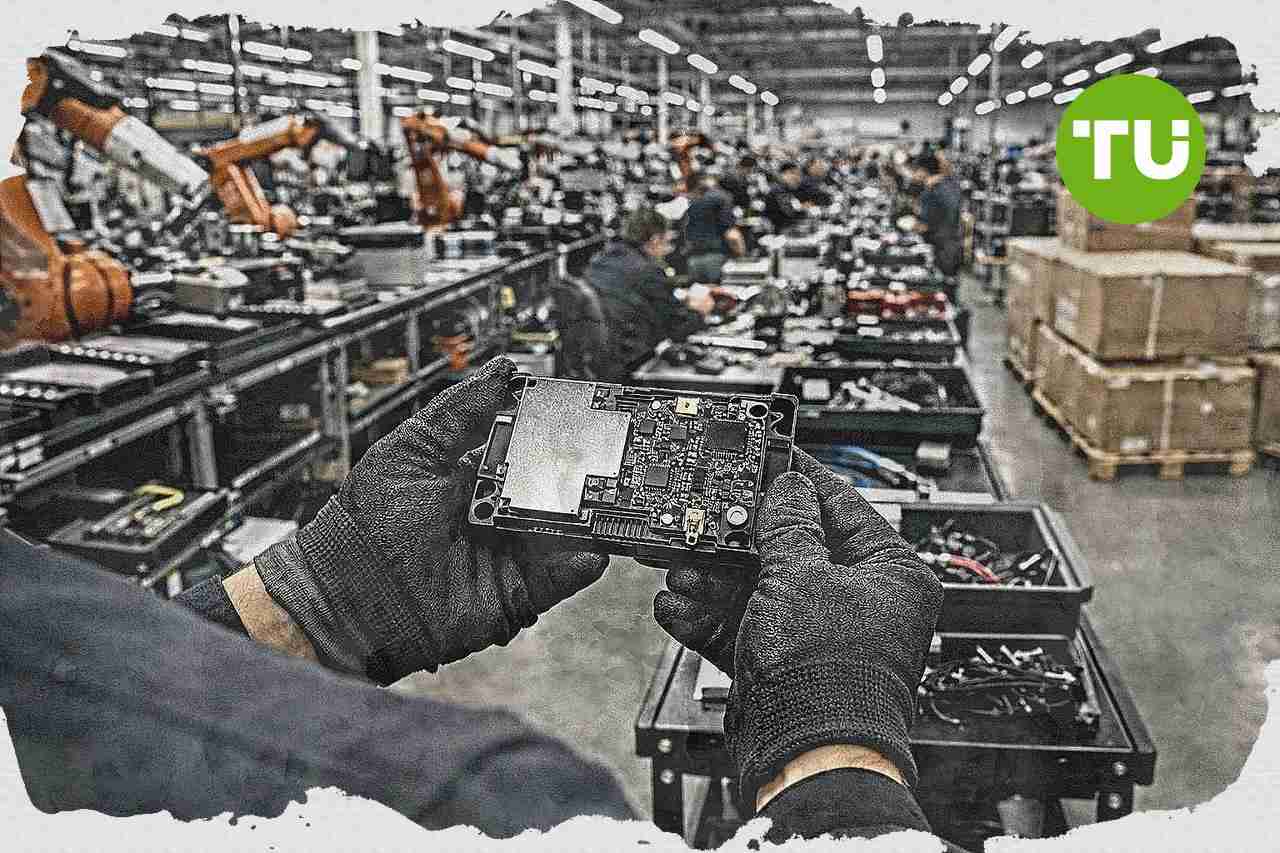
Automakers and suppliers are accelerating efforts to remove Chinese connected-car hardware from U.S. vehicle programs as federal restrictions begin to reshape sourcing decisions well before the deadlines take effect. The push is driving new manufacturing plans, higher compliance scrutiny across supply chains and fresh cost pressures for companies trying to match entrenched Chinese producers.
Highlights
- Eagle Wireless in Ohio expects 2025 revenue to nearly double to $100 million and aims for 2 million modules annual run rate by Q3 as U.S. bans Chinese auto connectivity.
- U.S. suppliers face 5%-15% higher costs than Chinese rivals for vehicle connectivity modules, with automakers demanding stricter sourcing compliance and rapid supply chain transparency.
- Polestar’s recent U.S. ban and ongoing Ford and Volvo exemption requests highlight uncertainty and persistent risks as U.S. suppliers work to reduce reliance on Chinese technology in the sector.
Ohio manufacturing ramps for compliance demand
As reported by Reuters, Eagle Wireless, an electronics maker formed in late 2025, is expanding in Solon, Ohio, to supply modules that help vehicles connect wirelessly to external networks as automakers prepare for U.S. restrictions on Chinese software and hardware.The company says it started with about 140 employees and aims to reach 1,000 over the next three years. President TJ Dembinski says revenue expectations for this year have nearly doubled to almost $100 million, while the business works to increase production capacity quickly.
Under rules adopted in January 2025 during the Biden administration and retained under the Trump administration, Chinese connectivity software is barred starting with the 2027 model year and hardware is prohibited from model-year 2030. Because vehicle programs are planned years ahead, suppliers that meet the rules need to be selected now.
At Eagle's Ohio plant, the company expects to reach an annual production run rate of about 2 million modules by the end of the third quarter. A nearby new facility is planned to add more capacity for vehicle applications.
Costs, supply-chain checks and industry risks increase
Industry executives say replacing Chinese parts is proving expensive and operationally complex, especially for components such as satellite communications systems, external antennas and microcontrollers used for vehicle communications. Eagle says it is working toward cost parity with Chinese rivals, but its modules still carry a 5% to 15% price gap.Automakers are also pressing suppliers for deeper visibility into sourcing to confirm that no prohibited Chinese components remain in the chain. Hilary Cain of the Alliance for Automotive Innovation says the rule requires close examination of supply networks and aggressive compliance timelines.
Compliance pressure rises further after Polestar is banned last month from new-vehicle sales in the U.S. under the rule. Some companies are seeking exemptions, and Ford Motor has asked for authorization to continue importing some China-produced models, while Volvo Cars is among the first automakers to receive an authorization.
The shift does not eliminate dependence concerns entirely. Eagle initially licensed module designs from China's Quectel Wireless Solutions, and analysts say similar partnerships can help U.S. companies build expertise while also risking continued reliance on Chinese technology in a highly concentrated global market.
We previously reported on Donald Trump’s plans to reinstate 10% tariffs on a broad range of imports from China as temporary levies near expiration. Our coverage noted the potential for higher costs across supply chains and renewed inflation pressure as businesses adjust sourcing and pricing.


Latest Supply Chain News






-
 Afghanistan
-
 Albania
-
 Algeria
-
 Angola
-
 Argentina
-
 Armenia
-
 Australia
-
 Austria
-
 Azerbaijan
-
 Bahamas
-
 Bahrain
-
 Bangladesh
-
 Belarus
-
 Belgium
-
 Bolivia
-
 Botswana
-
 Brazil
-
 Brunei
-
 Bulgaria
-
 Cambodia
-
 Cameroon
-
 Canada
-
 Chile
Chile
-
 China
China
-
 Colombia
-
 Congo
Congo
-
 Costa Rica
-
 Cote d'Ivoire
-
 Croatia
-
 Cuba
Cuba
-
 Cyprus
-
 Czechia
-
 DR Congo
-
 Denmark
-
 Dominican Republic
-
 Ecuador
-
 Egypt
Egypt
-
 El Salvador
-
 Estonia
-
 Eswatini
-
 Ethiopia
-
 Finland
-
 France
-
 Georgia
-
 Germany
-
 Ghana
Ghana
-
 Greece
-
 Haiti
Haiti
-
 Hong Kong
-
 Hungary
-
 India
India
-
 Indonesia
-
 Iran, Islamic republic
-
 Iraq
Iraq
-
 Ireland
-
 Israel
-
 Italy
Italy
-
 Jamaica
-
 Japan
Japan
-
 Jordan
-
 Kazakhstan
-
 Kenya
Kenya
-
 Korea
Korea
-
 Kuwait
-
 Kyrgyzstan
-
 Laos
Laos
-
 Latvia
-
 Lebanon
-
 Lesotho
-
 Libya
Libya
-
 Lithuania
-
 Luxembourg
-
 Madagascar
-
 Malaysia
-
 Malta
Malta
-
 Mauritius
-
 Mexico
-
 Moldova
-
 Mongolia
-
 Montenegro
-
 Morocco
-
 Mozambique
-
 Myanmar
-
 Namibia
-
 Nepal
Nepal
-
 Netherlands
-
 New Zealand
-
 Nigeria
-
 North Macedonia
-
 Norway
-
 Oman
Oman
-
 Pakistan
-
 Palestine
-
 Panama
-
 Papua New Guinea
-
 Paraguay
-
 Peru
Peru
-
 Philippines
-
 Poland
-
 Portugal
-
 Puerto Rico
-
 Qatar
Qatar
-
 Reunion
-
 Romania
-
 Rwanda
-
 Saudi Arabia
-
 Serbia
-
 Singapore
-
 Slovakia
-
 Slovenia
-
 Somalia
-
 South Africa
-
 Spain
Spain
-
 Sri Lanka
-
 Sweden
-
 Switzerland
-
 Syria
Syria
-
 Taiwan
-
 Tajikistan
-
 Tanzania
-
 Thailand
-
 Trinidad and Tobago
-
 Tunisia
-
 Turkey
-
 UAE
UAE
-
 Uganda
-
 Ukraine
-
 United Kingdom
-
United States
-
 Uruguay
-
 Uzbekistan
-
 Venezuela
-
 Vietnam
-
 Yemen
Yemen
-
 Zambia
-
 Zimbabwe
- Forex
- Crypto












