
Trump tariffs on China imports poised to return, raising inflation risks
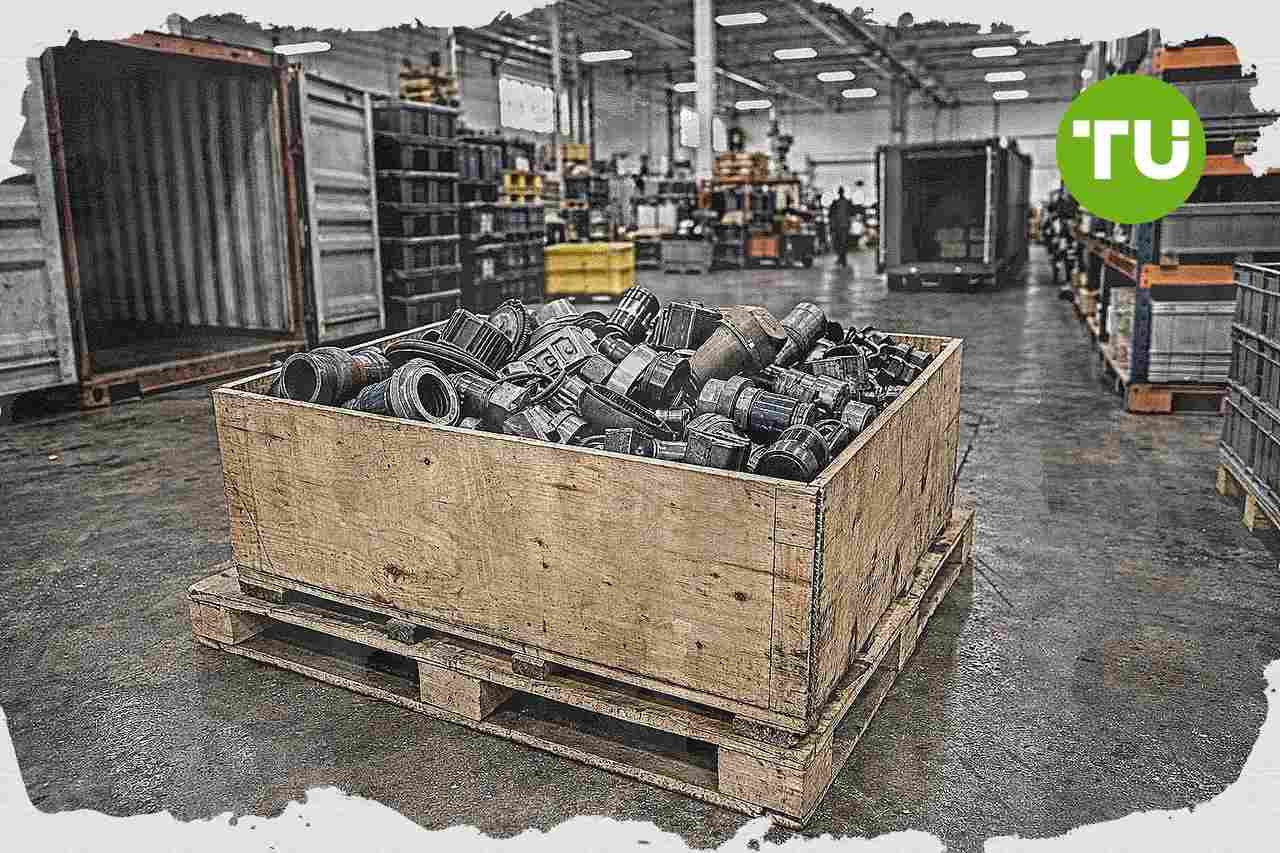
With temporary levies nearing expiration, Donald Trump is preparing to restore 10% tariffs on imports from China. The move revives a core trade policy tied to protecting U.S. manufacturing jobs, while adding fresh concerns about consumer prices and supply chains.
Highlights
- Trump plans to reinstate 10% tariffs on a broad range of Chinese imports, raising costs for U.S. businesses as temporary measures expire.
- Economists caution that new tariffs could intensify inflationary pressure in the U.S. amid existing supply chain disruptions.
- The tariff move supports Trump's 2024 election positioning, emphasizing a tougher stance on China while businesses weigh potential operational impacts.
Tariff plan and policy rationale
As reported by Financial Times, Trump is preparing to reinstate 10% tariffs on a broad range of Chinese imports as existing temporary measures approach their end. He presents the step as part of his long-held position that trade barriers are needed to shield U.S. jobs and domestic manufacturing from Chinese competition.The proposed tariffs would affect many imported goods, increasing costs for businesses that rely on Chinese supply. That, in turn, could pass through to consumer markets as companies adjust pricing to reflect higher import expenses.
Inflation pressure and political implications
Economists warn that bringing back the tariffs now could intensify inflationary pressure already affecting the U.S. economy. The timing also comes amid continuing supply chain strains that have disrupted several sectors and complicated cost management for companies.The trade move also fits Trump's broader political positioning as he prepares for a potential 2024 presidential campaign. A harder line on China remains a central message for his supporters, while businesses and other stakeholders continue assessing how the tariffs could affect operations and the wider economy.
In our earlier article, we covered renewed tariff threats from Donald Trump, including a proposal to impose 50% duties on a range of Canadian goods. We also noted how the tariff headlines coincided with a risk-off mood in U.S. equities, while investors tracked earnings and shifting market leadership signals in momentum and high-beta names.


Latest Tariffs News







-
 Afghanistan
-
 Albania
-
 Algeria
-
 Angola
-
 Argentina
-
 Armenia
-
 Australia
-
 Austria
-
 Azerbaijan
-
 Bahamas
-
 Bahrain
-
 Bangladesh
-
 Belarus
-
 Belgium
-
 Bolivia
-
 Botswana
-
 Brazil
-
 Brunei
-
 Bulgaria
-
 Cambodia
-
 Cameroon
-
 Canada
-
 Chile
Chile
-
 China
China
-
 Colombia
-
 Congo
Congo
-
 Costa Rica
-
 Cote d'Ivoire
-
 Croatia
-
 Cuba
Cuba
-
 Cyprus
-
 Czechia
-
 DR Congo
-
 Denmark
-
 Dominican Republic
-
 Ecuador
-
 Egypt
Egypt
-
 El Salvador
-
 Estonia
-
 Eswatini
-
 Ethiopia
-
 Finland
-
 France
-
 Georgia
-
 Germany
-
 Ghana
Ghana
-
 Greece
-
 Haiti
Haiti
-
 Hong Kong
-
 Hungary
-
 India
India
-
 Indonesia
-
 Iran, Islamic republic
-
 Iraq
Iraq
-
 Ireland
-
 Israel
-
 Italy
Italy
-
 Jamaica
-
 Japan
Japan
-
 Jordan
-
 Kazakhstan
-
 Kenya
Kenya
-
 Korea
Korea
-
 Kuwait
-
 Kyrgyzstan
-
 Laos
Laos
-
 Latvia
-
 Lebanon
-
 Lesotho
-
 Libya
Libya
-
 Lithuania
-
 Luxembourg
-
 Madagascar
-
 Malaysia
-
 Malta
Malta
-
 Mauritius
-
 Mexico
-
 Moldova
-
 Mongolia
-
 Montenegro
-
 Morocco
-
 Mozambique
-
 Myanmar
-
 Namibia
-
 Nepal
Nepal
-
 Netherlands
-
 New Zealand
-
 Nigeria
-
 North Macedonia
-
 Norway
-
 Oman
Oman
-
 Pakistan
-
 Palestine
-
 Panama
-
 Papua New Guinea
-
 Paraguay
-
 Peru
Peru
-
 Philippines
-
 Poland
-
 Portugal
-
 Puerto Rico
-
 Qatar
Qatar
-
 Reunion
-
 Romania
-
 Rwanda
-
 Saudi Arabia
-
 Serbia
-
 Singapore
-
 Slovakia
-
 Slovenia
-
 Somalia
-
 South Africa
-
 Spain
Spain
-
 Sri Lanka
-
 Sweden
-
 Switzerland
-
 Syria
Syria
-
 Taiwan
-
 Tajikistan
-
 Tanzania
-
 Thailand
-
 Trinidad and Tobago
-
 Tunisia
-
 Turkey
-
 UAE
UAE
-
 Uganda
-
 Ukraine
-
 United Kingdom
-
United States
-
 Uruguay
-
 Uzbekistan
-
 Venezuela
-
 Vietnam
-
 Yemen
Yemen
-
 Zambia
-
 Zimbabwe
- Forex
- Crypto












