
UK prime minister outlines growth and security agenda in first call with U.S. President Trump

Hours after taking office, the UK prime minister uses an initial call with U.S. President Donald Trump to set out priorities on industrial growth, defence and trade-related security. The conversation also touches on Middle East tensions and shipping through the Strait of Hormuz, an issue with direct implications for supply chains and business costs.
Highlights
- UK prime minister prioritises a reindustrialisation-driven domestic agenda aimed at supporting growth in every postcode during his first call with U.S. President Trump.
- Defence and security feature as top priorities for the new UK government, underscored as critical for both national protection and supporting allies.
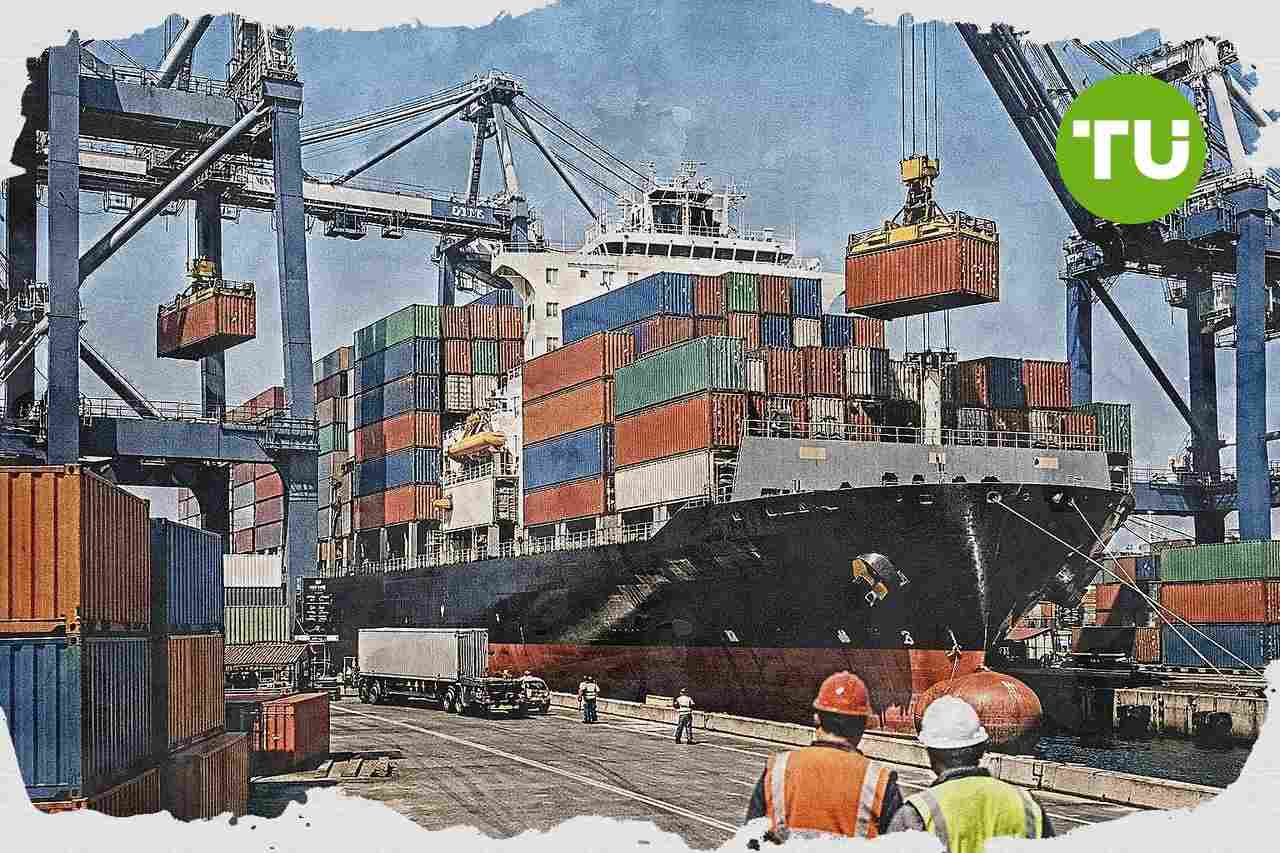
- The UK reinforces its commitment to maintaining secure shipping through the Strait of Hormuz, aiming to safeguard global supply chains and lower costs for businesses and households.
First call sets policy tone
As reported by GOV.UK, the prime minister speaks with Trump shortly after entering office and begins the conversation by congratulating the president on a successful World Cup, while agreeing that England has an excellent tournament.He also says he hopes to host the president in Manchester in the future and uses the exchange to present his domestic agenda, centred on reindustrialisation across the country to support growth in every postcode.
Security focus and business implications
The prime minister underlines that defence and security sit at the top of his agenda, framing the protection of the UK and its allies as a core priority for the new government.Trump then updates him on the situation in the Middle East, and the prime minister reiterates the UK commitment to securing shipping movement through the Strait of Hormuz to support global supply chains and help reduce costs for businesses and households. Both leaders say they look forward to speaking again soon.
Our earlier article on Andy Burnham’s first Downing Street address outlined a governing agenda built around political stability, devolution, and near-term cost-of-living relief. It also flagged the potential tension between ambitious plans for economic change and tighter public control over essentials, and the fiscal constraints and investor scrutiny that could shape how quickly those promises translate into policy.


Latest Supply Chain News





-
 Afghanistan
-
 Albania
-
 Algeria
-
 Angola
-
 Argentina
-
 Armenia
-
 Australia
-
 Austria
-
 Azerbaijan
-
 Bahamas
-
 Bahrain
-
 Bangladesh
-
 Belarus
-
 Belgium
-
 Bolivia
-
 Botswana
-
 Brazil
-
 Brunei
-
 Bulgaria
-
 Cambodia
-
 Cameroon
-
 Canada
-
 Chile
Chile
-
 China
China
-
 Colombia
-
 Congo
Congo
-
 Costa Rica
-
 Cote d'Ivoire
-
 Croatia
-
 Cuba
Cuba
-
 Cyprus
-
 Czechia
-
 DR Congo
-
 Denmark
-
 Dominican Republic
-
 Ecuador
-
 Egypt
Egypt
-
 El Salvador
-
 Estonia
-
 Eswatini
-
 Ethiopia
-
 Finland
-
 France
-
 Georgia
-
 Germany
-
 Ghana
Ghana
-
 Greece
-
 Haiti
Haiti
-
 Hong Kong
-
 Hungary
-
 India
India
-
 Indonesia
-
 Iran, Islamic republic
-
 Iraq
Iraq
-
 Ireland
-
 Israel
-
 Italy
Italy
-
 Jamaica
-
 Japan
Japan
-
 Jordan
-
 Kazakhstan
-
 Kenya
Kenya
-
 Korea
Korea
-
 Kuwait
-
 Kyrgyzstan
-
 Laos
Laos
-
 Latvia
-
 Lebanon
-
 Lesotho
-
 Libya
Libya
-
 Lithuania
-
 Luxembourg
-
 Madagascar
-
 Malaysia
-
 Malta
Malta
-
 Mauritius
-
 Mexico
-
 Moldova
-
 Mongolia
-
 Montenegro
-
 Morocco
-
 Mozambique
-
 Myanmar
-
 Namibia
-
 Nepal
Nepal
-
 Netherlands
-
 New Zealand
-
 Nigeria
-
 North Macedonia
-
 Norway
-
 Oman
Oman
-
 Pakistan
-
 Palestine
-
 Panama
-
 Papua New Guinea
-
 Paraguay
-
 Peru
Peru
-
 Philippines
-
 Poland
-
 Portugal
-
 Puerto Rico
-
 Qatar
Qatar
-
 Reunion
-
 Romania
-
 Rwanda
-
 Saudi Arabia
-
 Serbia
-
 Singapore
-
 Slovakia
-
 Slovenia
-
 Somalia
-
 South Africa
-
 Spain
Spain
-
 Sri Lanka
-
 Sweden
-
 Switzerland
-
 Syria
Syria
-
 Taiwan
-
 Tajikistan
-
 Tanzania
-
 Thailand
-
 Trinidad and Tobago
-
 Tunisia
-
 Turkey
-
 UAE
UAE
-
 Uganda
-
 Ukraine
-
 United Kingdom
-
United States
-
 Uruguay
-
 Uzbekistan
-
 Venezuela
-
 Vietnam
-
 Yemen
Yemen
-
 Zambia
-
 Zimbabwe
- Forex
- Crypto











